
Africa’s Urban Squeeze: Major Cities Struggling with the Lowest Purchasing Power at Year’s End
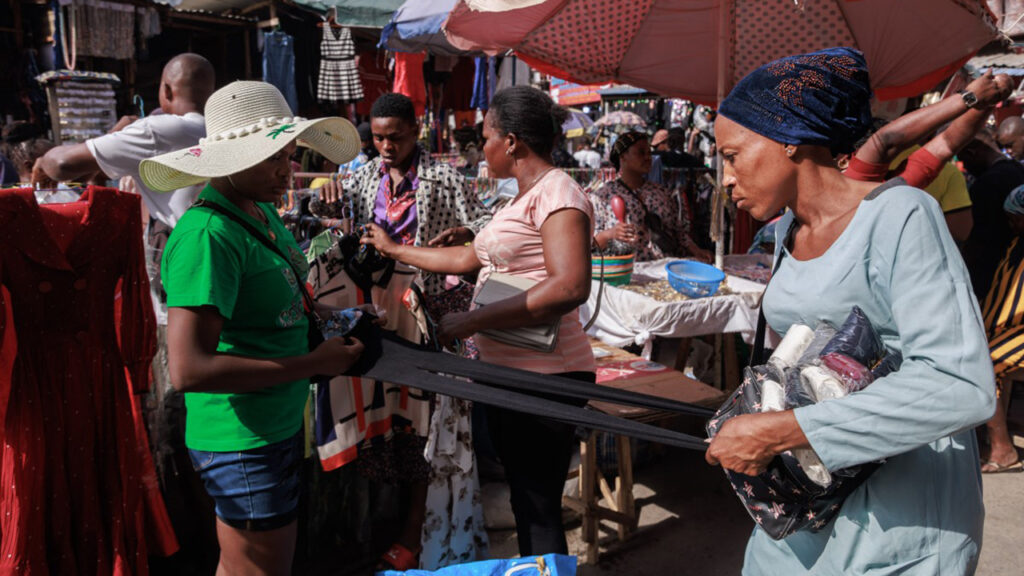
As the year draws to a close, low purchasing power has emerged as one of the most destabilizing challenges facing several major African cities, shaping not only household finances but also politics, social cohesion, and long-term development prospects.
Across urban centers, rising inflation and persistent currency depreciation have steadily eroded what people can afford. For millions of families, wages no longer stretch far enough to cover food, transport, housing, healthcare, and education. The impact is deeply human: parents skip meals to keep children in school, informal workers take on longer hours for shrinking returns, and middle-income households slide closer to vulnerability.


Governments have responded with a mix of emergency borrowing, fuel and food subsidies, price controls, and targeted welfare programs. While these measures offer short-term relief and political breathing space, they often fail to tackle deeper structural weaknesses such as low productivity, heavy import dependence, weak currencies, and limited industrial growth. As a result, public frustration grows, testing trust in leadership and intensifying debates around economic reform, fiscal discipline, and social protection.
Low purchasing power also carries far-reaching social consequences. When households cut back on spending, businesses feel the strain almost immediately. Retailers report declining sales, manufacturers’ slow production, and supply chains contract. This reduces job creation and weakens tax revenues, limiting governments’ ability to invest in public services. In some cities, the pressure feeds social tension, informal economic expansion, and rising inequality between those with access to foreign currency or assets and those paid in weakening local money.

Economists describe this cycle as the “purchasing power trap”: low incomes reduce consumption, weak demand stifles business growth, and the broader economy fails to generate better-paying jobs. Breaking this cycle requires more than temporary subsidies. It demands policies that stabilize currencies, control inflation, support local production and expand decent employment measures that can restore self-worth and economic confidence i urban life.

Low purchasing power is no longer just a domestic economic concern; it has become a regional development risk with political and social implications. As households struggle to afford what was once routine, the question of who can thrive in Africa’s cities and how governments respond, will define the next phase of urban growth.
With that context in mind, here are the African cities currently recording the lowest purchasing power, according to data from Numbeo.