
America Re-enters the Sahel, as Senior US Envoy Visits Mali, Testing a Diplomatic Reset
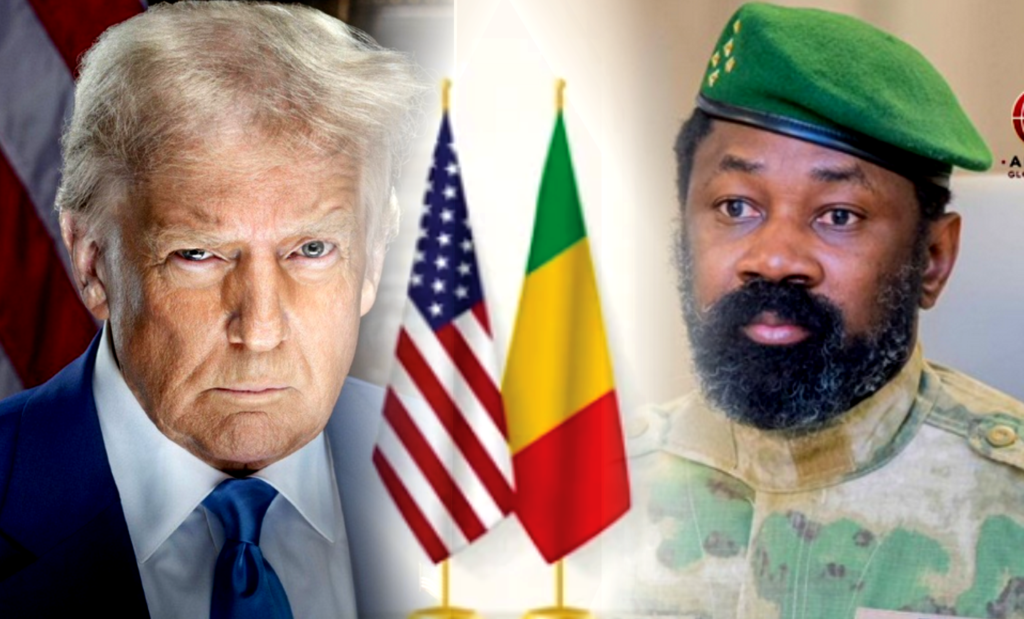
The United States is cautiously reopening diplomatic channels with Mali’s military-led government, signaling a pragmatic recalibration of Washington’s Africa policy as competition for influence in the Sahel sharpens and local communities continue to bear the costs of prolonged instability.
Senior Bureau Official Nick Checker of the US Bureau of African Affairs is traveling to Bamako this week, according to a bureau statement, to convey Washington’s “respect for Mali’s sovereignty” and explore ways to “chart a new course” after years of strained relations. The visit marks one of the highest-level U.S. engagements with Mali since American forces withdrew in 2022 and follows a period of diplomatic distance after successive coups beginning in 2020.
The stakes are not abstract for ordinary Malians. Years of conflict have disrupted farming, closed schools, and strained health services across central and northern regions. Aid workers and local leaders say diplomatic isolation has often translated into fewer resources for communities already facing insecurity and climate stress. A limited reset with Washington, they argue, could reopen channels for humanitarian coordination, public health support and people-centered development, even if political disagreements persist.
The timing is delicate. Mali, together with Burkina Faso and Niger, now form the Alliance of Sahel States (AES), a bloc that has formally exited the West African regional body ECOWAS and shifted security partnerships toward Russia. The realignment reflects both frustration with Western conditionality and a search for alternatives as jihadist violence spreads.
Historically, the United States has taken a firm stance against unconstitutional changes of government, responding with sanctions, aid suspensions, and diplomatic isolation. Mali’s repeated coups would typically place it outside Washington’s comfort zone. US officials stress that the current outreach does not signal acceptance of military rule. Rather, they describe it as a limited, interest-driven engagement aimed at preventing further regional destabilization.
Behind the diplomacy lies a hard-nosed assessment of economics and security. Mali is among Africa’s top gold producers and is believed to hold reserves of lithium and uranium. Minerals increasingly vital to global energy transitions and defense industries. As Washington seeks to diversify supply chains and counter the growing role of rival powers in the extractive sector, disengagement has become costly.
Security considerations are equally pressing. Mali sits along a Sahelian corridor that links instability in Burkina Faso and Niger to northern Nigeria, where US-backed intelligence cooperation supports efforts to track extremist networks. While American troops are no longer deployed in Mali, US officials acknowledge that intelligence sharing and regional coordination remain essential to limiting spillover violence.
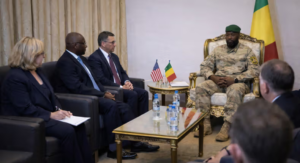
Diplomats familiar with the talks say the message in Bamako will be calibrated: respect for sovereignty, openness to dialogue, and quiet encouragement of a transition that restores civilian rule. Civil society groups inside Mali, though wary of great-power maneuvering, say external engagement is preferable to isolation if it brings accountability, humanitarian access, and space for grassroots voices.
The move also reflects a broader US effort to regain diplomatic ground in Africa after earlier aid cuts reduced American influence and created openings for partners willing to offer security assistance with fewer political conditions. Whether Washington’s return can balance principles with pragmatism and deliver tangible benefits for Mali’s people, will depend on what follows this initial handshake.