
Australian Leaders Face Scrutiny After Deadly Hanukkah Attack as Jewish Community Warns of Long-Ignored Threats
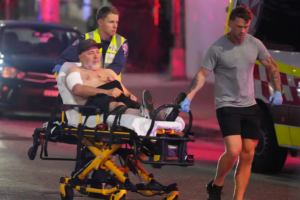
Australia is confronting a painful reckoning after a mass shooting during a Hanukkah celebration on Sydney’s Bondi Beach left 15 people dead, the country’s deadliest attack in nearly three decades. As families mourn and investigators piece together what went wrong, Jewish community leaders say the tragedy was not unforeseeable, but the result of years of ignored warnings about rising antisemitism.
For parents who brought children to light menorah candles by the sea, the celebration was meant to affirm identity and belonging in a country long proud of its multicultural ethos. Instead, the attack shattered that sense of safety. Community members describe a grief layered with anger: sorrow for those lost, and frustration that repeated alerts about threats to Jewish institutions and events failed to spur decisive action.
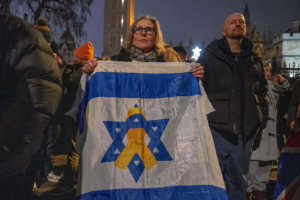
Jewish leaders say antisemitic incidents have escalated sharply over the past two years, particularly since the Israel-Hamas war erupted on Oct. 7, 2023. What once took the form of online abuse has increasingly spilled into public spaces such as vandalized synagogues, firebomb threats, harassment in schools and workplaces, and attacks around religious gatherings.
“We’ve seen every manner of exclusion, abuse, attack, harassment, threats, fire bombings, burning of synagogues” said Alex Ryvchin, co-chief executive of the Executive Council of Australian Jewry. “This country has changed fundamentally in two years, and it’s culminated now on the beach”.
The cultural impact is rippling beyond the Jewish community. Australia’s Jewish population is small but deeply woven into the country’s civic, academic and business life. Community leaders warn that fear is already reshaping daily behavior, as families are avoiding visible religious symbols, schools increasing private security and businesses reconsidering public events tied to Jewish holidays.
There are also economic consequences. Security costs for synagogues, schools and cultural centers have risen sharply, diverting resources from education and social services. Small Jewish-owned businesses report harassment and boycotts, adding to financial pressure during an already difficult economic period.
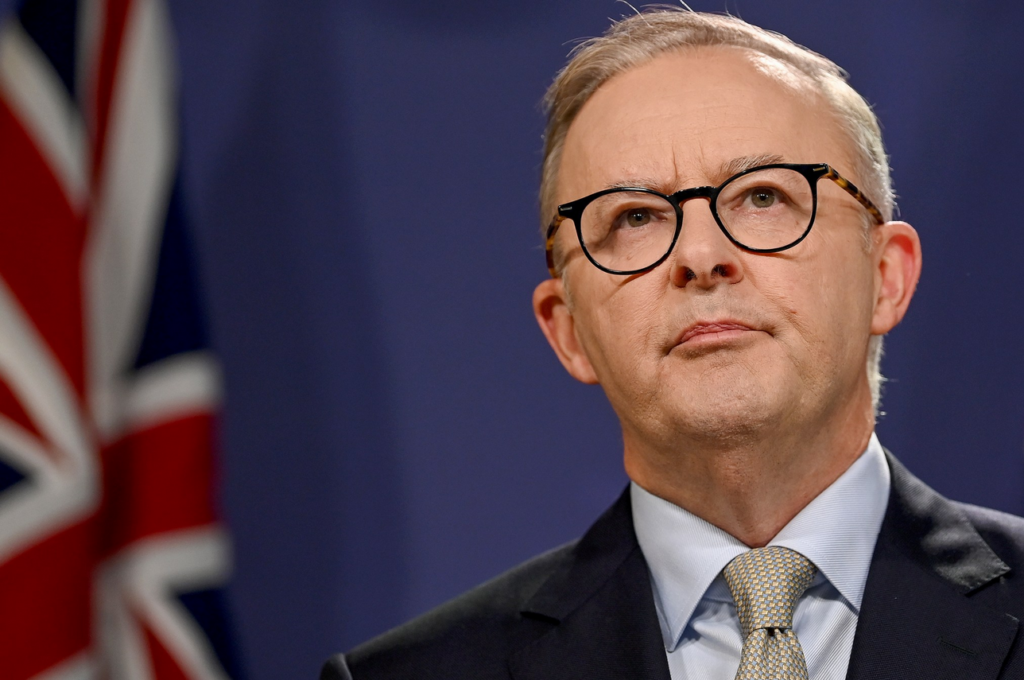
Politically, the attack has intensified scrutiny of the government’s response. Prime Minister Anthony Albanese convened the National Cabinet on Monday, vowing to eradicate what he called the “evil scourge” of antisemitism. Proposed measures include tightening Australia’s already strict gun laws and creating a centralized National Hate Crimes and Incidents Database.

Yet critics say the response comes too late. Rabbi Abraham Cooper of the Simon Wiesenthal Center said Australian leaders have relied on rhetoric rather than enforcement. “This is not the first incident of this kind in Australia, just the worst,” he said. “Warm words of embrace are just not going to cut it.”
The broader social question now confronting Australia is whether its institutions are equipped to respond quickly to hate-driven violence in a polarized era. To many Jewish Australians, trust has been shaken by the gunman and by a sense that clear warning signs were missed. As funerals are held and candles burn for the victims, the demand from community leaders is stark – recognition must be matched by action, before fear becomes a permanent feature of public life.