
Benin Secures US$112m AfDB Loan to Boost Poultry Production and Rural Incomes
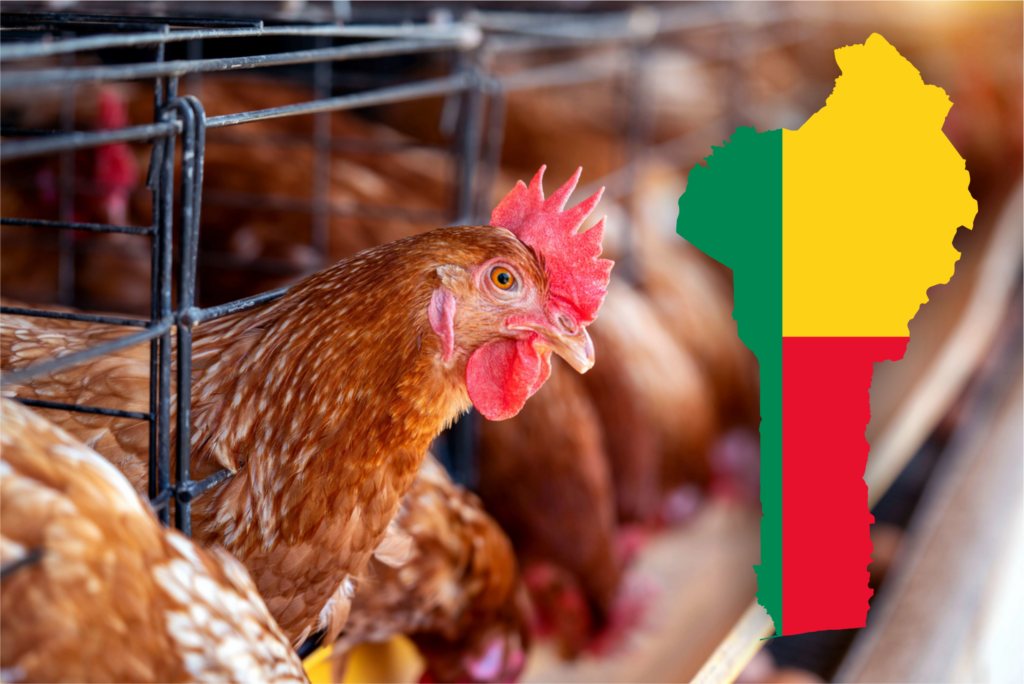
Poultry program links maize, soybean and poultry value chains to cut imports and strengthen food security.
BENIN – The African Development Bank Group (AfDB) has approved a US$112 million loan for Benin to launch the first phase of a long-term agricultural transformation program designed to expand poultry production in the country’s northern Savanes region, with broad implications for food security, rural livelihoods and economic policy.
At the heart of the initiative is a value-chain approach that links maize and soybean production with broiler farming, addressing one of the main structural weaknesses of Benin’s poultry sector: the high cost and unreliable supply of animal feed. By coordinating crop production, processing and poultry rearing, the program aims to lower input costs, improve productivity and create a more competitive domestic industry.
AfDB says the project will help reduce Benin’s heavy dependence on imported frozen chicken while creating new income opportunities for small-scale farmers, traders and service providers. Poultry is one of the fastest ways to translate agricultural investment into nutrition gains, particularly for low-income households, because it delivers affordable protein and generates quick returns for producers. A political and economic priority.
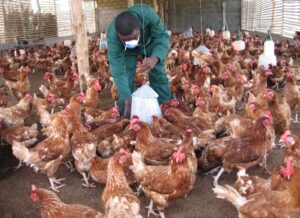
The loan reflects Benin’s wider policy push to achieve greater food sovereignty and limit the drain on foreign exchange caused by food imports. In 2023, the country imported an estimated 98 percent of its poultry meat needs at a cost exceeding US$200 million, exposing consumers to global price shocks and undermining local production.
By supporting domestic supply, the program aligns with government efforts to strengthen northern regions that have historically lagged behind the more urbanized south. It also signals a shift toward integrated agribusiness development, moving beyond subsistence farming toward coordinated market-oriented systems.
AfDB Country Manager Robert Masumbuko said the project draws inspiration from Brazil’s transformation of its Cerrado region, where coordinated investment in crops, livestock and research helped turn a once-marginal area into a global agricultural hub. He noted that broiler production depends on reliable feed supplies, technical know-how and market access. These gaps the Benin Republic’s program is designed to address. Driving scale and structure of the project.
Running from 2026 to 2030, the program plans to develop about 120,000 hectares of maize and 80,000 hectares of soybeans. The resulting increase in feed availability is projected to support the production of roughly 41,000 tons of poultry meat over time. More than four times Benin’s current output.
Participating farmers will receive broiler starter kits, certified seeds, fertilizer and crop protection inputs. Smallholders will also benefit from portable tools intended to improve planting efficiency and field management, helping to raise yields while reducing labor burdens.
Recognizing the pressures of climate variability and pest outbreaks in the Savanes region, the project emphasizes improved soil management, efficient water use and climate-smart practices to stabilize production and protect farmer incomes. Belling research, infrastructure to social impact.
A multi-stakeholder agroecological research platform will be established to test and share improved maize and soybean production methods. The program will promote climate-tolerant, nutrient-rich seed varieties to help farmers maintain output during difficult seasons.
Investment in storage and post-harvest handling is also central to the plan. The project includes construction of 60 warehouses with 1,000-ton capacity, 90 facilities designed for 500 tons, and 150 drying areas, reducing losses and improving market timing for farmers.
AfDB estimates the initiative will directly involve about 50,000 people and indirectly benefit another 500,000 through jobs, services and market linkages. Women are expected to make up at least 30 percent of beneficiaries, reflecting the sector’s importance for household income management and nutrition.
While Benin’s poultry sector has grown in recent years, production remains modest, just under 10,000 tons in 2022, with egg output dominated by medium-sized commercial farms in the south. High feed costs, disease outbreaks and weak cold-chain systems continue to limit expansion.
If successful, the AfDB-backed program could mark a turning point, strengthening domestic supply, reducing import dependence and positioning poultry as a driver of inclusive growth in northern Benin, with tangible benefits for farmers, consumers and the wider economy.