

Botswana’s New Vegetable Import Ban Strains Regional Ties, Raising Social Impact Concerns
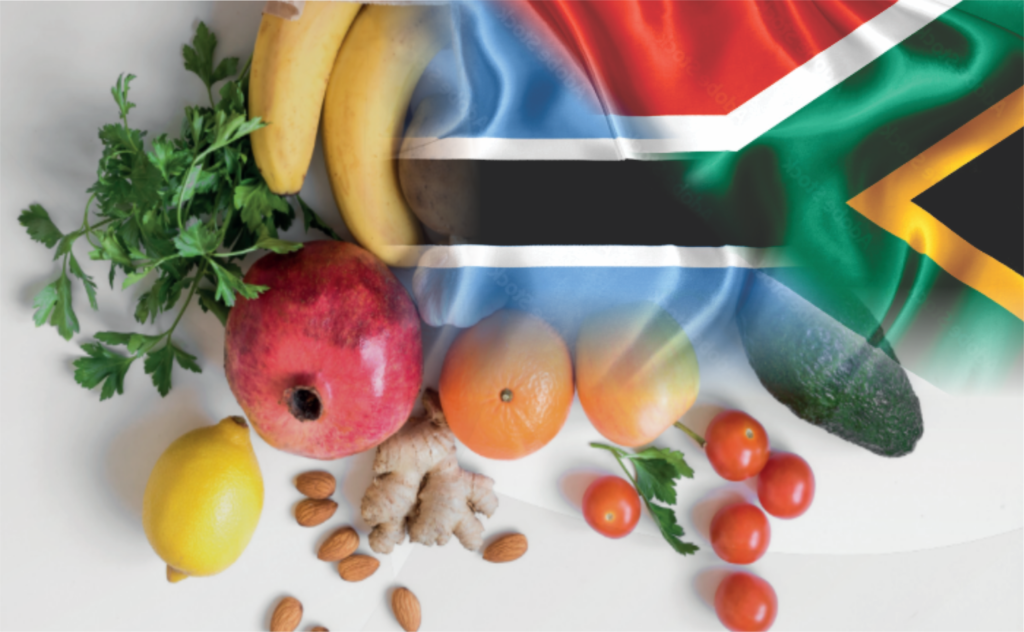
Botswana has once again imposed restrictions on vegetable imports from neighbouring countries, moreso South Africa, reviving tensions over how trade decisions are made within the region.
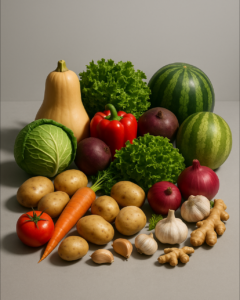
In a government notice issued on December 8, Botswana’s Ministry of Lands and Agriculture announced an indefinite ban on 16 commonly traded vegetables, including tomatoes, potatoes, cabbages, onions, peppers, carrots and garlic. The move echoes similar restrictions implemented in recent years as Botswana attempts to boost local agricultural production.
South Africa, which exports roughly $218 million (R3.69 billion) worth of vegetables each year, Botswana represents a modest but meaningful market of about $17 million (R288 million), or 8% of total exports from it. While these numbers may seem small, the ripple effects are extensive. Smaller-scale farmers, transporters, packaging workers and traders operating along the border could feel the squeeze almost immediately.
Agricultural economist Wandile Sihlobo of Agbiz described the latest ban as “very frustrating,” not only because of its economic consequences but because of how the decision was communicated. According to him, Botswana has developed a pattern of announcing abrupt import stops without prior consultation. “They wake up and place a ban”, he said. Noting that press releases often replace structured dialogue, causing confusion on the ground and undermining regional trust.
The sudden restrictions have a human dimension that often gets overshadowed in high-level political debates. Farmers counting on predictable export channels may face immediate cash-flow problems. Cross-border traders, many of whom are women supporting extended families, lose income overnight. In border towns where fresh produce businesses thrive on quick, affordable movement of goods, the ban may push up local prices or reduce variety for consumers.

Sihlobo argues that these disruptions are unnecessary. Botswana’s agricultural strength remains in livestock, not vegetables and South African imports do not overwhelm the local market. Cooperative planning, he says, could help both countries grow complementary industries without hurting working households.
Further than the vegetables themselves, the dispute highlights indepth problems within the Southern African Customs Union (SACU). South Africa is bound by strict rules that require it to consult member states before forging international trade agreements. However, Sihlobo says this discipline is not reciprocated by neighbours when they take unilateral actions.
This imbalance is now affecting South Africa’s broader economic diplomacy. The country is trying to expand agricultural exports globally, but must do so in the context of SACU procedures that it follows, even as others bypass them. The result, Sihlobo warns, is growing friction at a time when regional unity is critical for attracting investment and negotiating with larger economic blocs.
Sihlobo insists that coordination not confrontation, is the solution. Botswana could communicate its goals openly: “Tap South Africa on the shoulder” and explain the intention to grow a particular agricultural industry. With proper notice, South Africa could help supply inputs, align logistics, and allow businesses on both sides to plan for shifts in the market.
Instead, surprise bans create uncertainty that reverberates from political offices to farm fields to household dinner tables. As long as SACU members circumvent agreed processes, South Africa’s ability to build stable agricultural export pathways remains severely constrained.
The latest ban may be framed online as a quarrel over tomatoes, but the underlying stakes are much higher, such as predictable trade, regional cooperation and the livelihoods of thousands who depend on smooth cross-border commerce.