
Burkina Faso’s Gold Rush Wins $33m IMF Boost
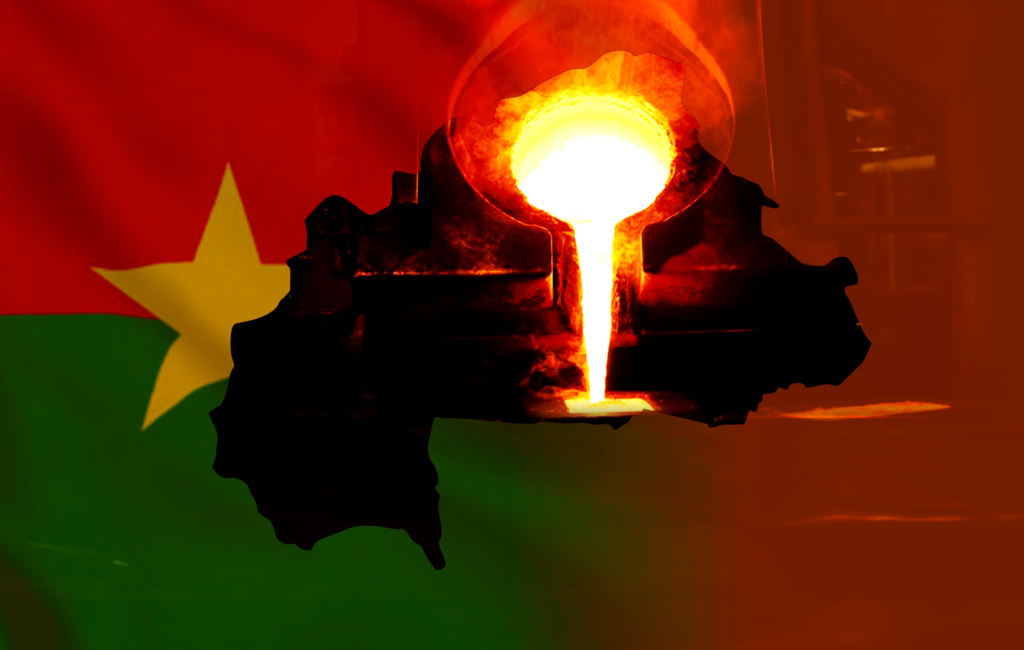
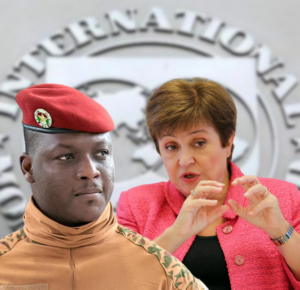
Burkina Faso has secured a fresh $33.2 million disbursement from the International Monetary Fund (IMF) after completing the fourth review of its Extended Credit Facility programme, underscoring cautious international confidence in a country navigating armed conflict, economic fragility and rising humanitarian need.
The new tranche brings continued financial backing to the Sahelian state at a time when gold is now the country’s top export, anchoring government revenues and reshaping its economic trajectory. Officials in Ouagadougou say disciplined fiscal reforms and resilient mining output have helped stabilise macroeconomic indicators despite insecurity that continues to displace communities and strain public services.
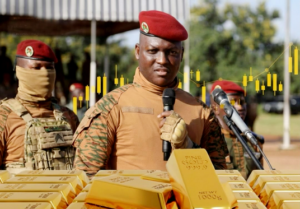
As gold boom hub in a time of crisis, Burkina Faso has quietly emerged as one of Africa’s fastest-growing gold producers. Industrial mining sites, largely foreign-owned but increasingly subject to state oversight, dot the country’s north and west. Gold accounts for the bulk of export earnings and a significant share of public revenue. Still the prospering-picture is more complex. In mining towns, residents describe a dual reality, job opportunities and local business growth on one hand, but environmental degradation, land disputes and limited trickle-down benefits on the other. Small-scale miners, many operating informally, face tighter regulations as the state seeks to consolidate control over production and revenues.
Economic analysts say the IMF disbursement indicates that macroeconomic reforms, including revenue mobilisation and public financial management, are progressing. But they caution that gold dependency leaves the economy vulnerable to price swings and global demand shocks. Also, long persistent security pressures could shape economic policy…
The funding arrives in the midst of persistent insecurity linked to armed groups operating across the Sahel. Large swathes of territory remain contested terrorizing-militias; disrupting agriculture, trade corridors and access to basic services. According to humanitarian agencies, millions of people in theses unsecured axis require assistance, and internal displacement, which is somewhat managed though, has reshaped rural demographics. The government has prioritised security spending, to mitigate it’s complications against the fiscal consolidation efforts that is supported under the IMF programmes. Balancing defence-needs with social investment, remains one of the country’s toughest policy dilemmas.
Grassroots organisations argue that while macroeconomic stability is essential, communities most affected by violence, need visible improvements in schools, healthcare and food security. “Gold revenues are gradually translating into human social-security”, said a civil society advocate in Ouahigouya. “People want to see clinics reopened and roads repaired or built, and it is gradually happening”.
In the facets of political and diplomatic undercurrents, Burkina Faso’s transitional leadership has recalibrated foreign partnerships in recent years, seeking broader alliances transcending traditional Western partners. The IMF’s continued engagement suggests that despite geopolitical switch, multilateral financial institutions remain key players in the country’s economic recovery strategy. Diplomatically, the disbursement reinforces Burkina Faso’s standing with international lenders; potentially unlocking further concessional support. But, governance reforms, including transparency in mining contracts and anti-corruption precautions, will likely remain under scrutiny.
As for the market traders in Ouagadougou and displaced farmers in the north, IMF reviews and gold output statistics, can feel as a distance from the citizens. Inflationary pressures, fluctuating food prices and limited job prospects outside mining axis, are still progressing to a gainful stability, even as it continue to define daily life. As such, most critics would be wondering whether Burkina Faso can convert mineral wealth into diversified growth. Actually, the reality is clearly showing that there is a progressive boost of investment in agriculture, infrastructure, other small enterprises, etc., that is bringing employ and economic upscale to the populace.
The IMF funding offers a breathing space. But sustainable stability, observers noted, depends on gold exports, fiscal metrics and much more on how currently, the economic gains are realistically easing humanitarian suffering and rebuilding trust between citizens and the Burkina Faso state. As Burkina Faso develops its role as one of Africa’s gold hotspots, the challenge transcends attracting capital to ensuring that gold reflects in the lives of the ordinary Burkinabè.