
Comoros Rising Tides, Rising Pressure, Climate Change Reshaping Socioculture, Socioeconomy and Environment
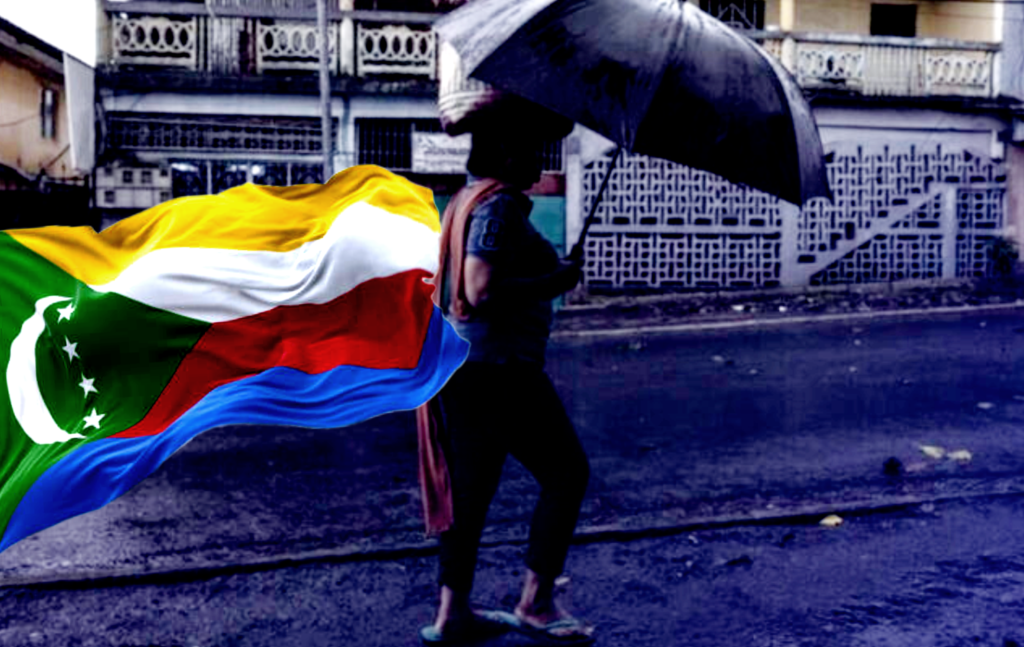
In the low-lying coastal villages of Comoros, the signs of climate change are no longer abstract forecasts, they are daily disruptions. Homes inch closer to the sea, fishing yields fluctuate, and storms arrive with growing intensity. In respect to many Comorians, the climate crisis is not a distant threat, but an unfolding reality that is reshaping families, livelihoods and the country’s political priorities.
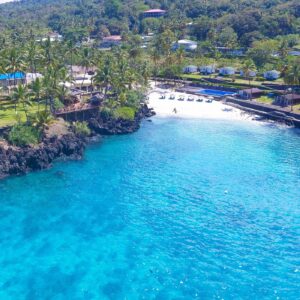
More than half of the population, around 54% now live in areas exposed to natural hazards such as flooding, coastal erosion, and cyclones. Over the past decade alone, nearly 45% of the nation’s sandy beaches have disappeared, eroding not just the coastline but also a critical buffer against storms and a cornerstone of local economies.
In coastal communities, climate change is altering the structure of daily life. Families that have depended on fishing and small-scale farming for generations are increasingly forced to diversify or abandon their livelihoods altogether. As saltwater intrusion contaminates crops and wells, food security becomes fragile, pushing households into cycles of debt or migration. Displacement is emerging as a quiet but growing crisis. Projections suggest that by 2050, rising sea levels could force up to 10% of the population from their homes. A country that has strong family and community ties, relocation carries great social costs implications, fracturing kinship networks and cultural traditions rooted in place.
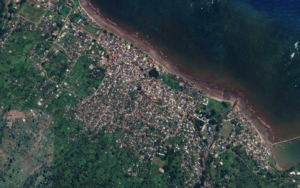
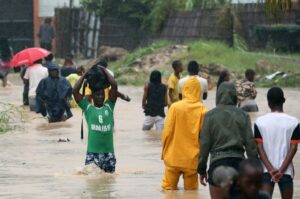
The erosion of land is also an erosion of identity. In Comoros, where cultural practices are closely tied to land and sea, the loss of ancestral coastal areas threatens intangible heritage, from traditional fishing knowledge to ceremonial spaces. Communities risk losing not only property but also the cultural memory embedded in their environment, which could lead to socioeconomic strain and cultural-business risks.
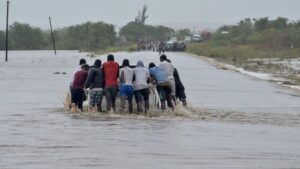
The economic toll is mounting. Climate-related disasters cost the country millions annually, draining public resources and deterring investment. The devastation caused by recent cyclones that inflicted damages equivalent to 14% of GDP, underlines how vulnerable the economy is to climate shocks. Small businesses, particularly in agriculture, fisheries and tourism, face increasing uncertainty. With beaches disappearing and infrastructure damaged, tourism that is a potential growth sector, struggles to gain stability. Meanwhile, repeated rebuilding diverts funds away from long-term development.
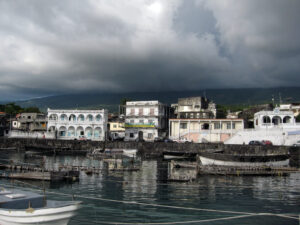
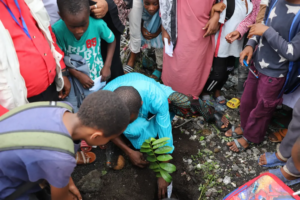
Political pressure, public demand are public sentiment are clearly running on urgent response to calls. More than three-quarters of Comorians are calling for immediate government action, with overwhelming support for investments in climate-resilient infrastructure and renewable energy. Policies such as banning tree cutting for charcoal, promoting electric vehicles and expanding solar and wind energy, have gained broad backing.
This groundswell of support, is placing pressure on policymakers to move faster. The government has taken steps, including adopting a disaster risk reduction law in 2024 and establishing a National Emergency and Resilience Fund. A new multi-million-dollar initiative aimed at scaling nature-based solutions also signals a shift toward longer-term planning. Thus far, questions still linger about the implementation capacity, transparency and whether funding will reach the most vulnerable communities.
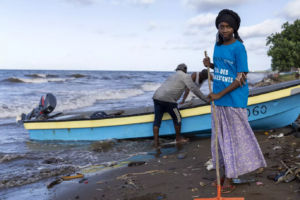
In Comoros, many people see climate change as a matter of justice also. Despite contributing minimally to global emissions, the country faces disproportionate risks. This has fueled strong public support of over 80% of international financial assistance, from wealthier nations. The situation highlights a wider geopolitical tension; small island states like Comoros, are increasingly vocal in demanding accountability and support on the global stage, even as climate finance flows remain inconsistent.
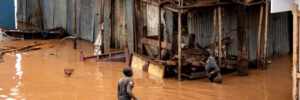
Picture Credit: AFP
Comoros stands at a critical juncture. The convergence of environmental stress, economic vulnerability and public demand for action, is forcing a national reckoning. Whether the country can turn this moment into an opportunity by strengthening resilience, protecting livelihoods and preserving cultural heritage, will depend on domestic policy and also sustained international support. Because in the meantime, the tide is rising continuously, both literally and politically.