

Cyclone Ditwah Death Toll Hits 212 in Sri Lanka: Dam Failure/Persistent Floods Leave Communities Stranded
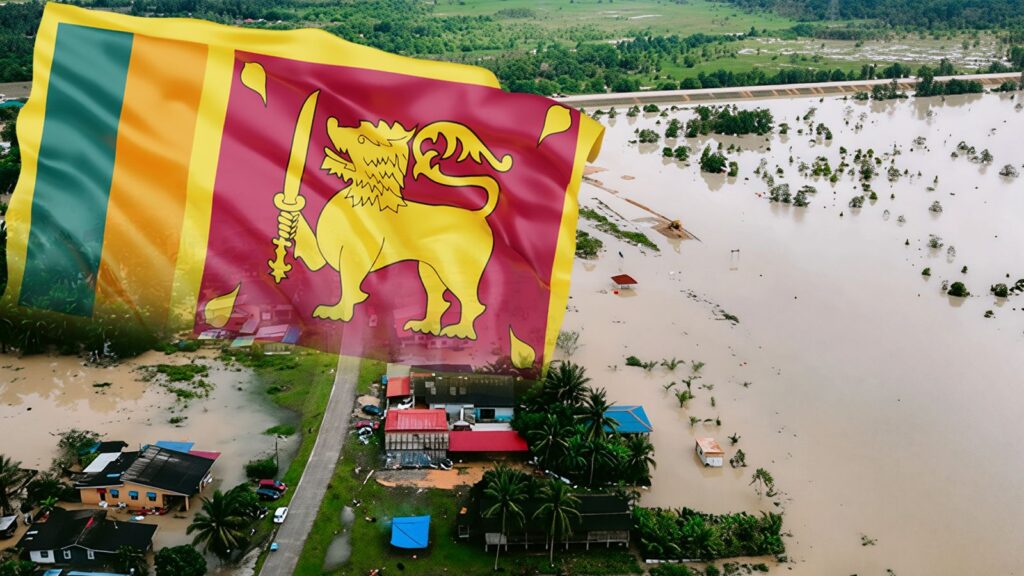
Sri Lanka is grappling with deepening heartbreak and uncertainty as the death toll from Cyclone Ditwah climbed to 212 on Sunday, with 218 people still missing, according to emergency officials. What began as a powerful storm has evolved into one of the country’s most devastating humanitarian crises in years, exposing both the fragility of local infrastructure and the resilience of affected communities.
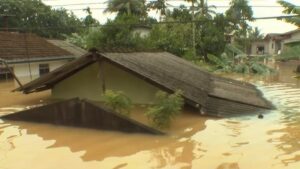
Days of relentless rainfall caused catastrophic flooding across several provinces, culminating in the breach of a major dam. This is an event that forced thousands to flee with little more than the clothes they wore. Entire villages have been left submerged, while rescue workers, now entering their fourth straight day of operations, continue navigating treacherous waters and thick debris in the search for survivors.
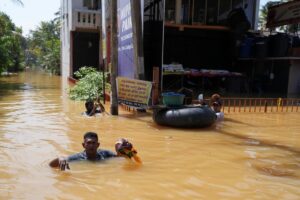
The human toll is growing not just in numbers, but in the stories emerging from shelters: families torn apart during the sudden evacuations, elderly residents stranded on upper floors for days, and children coping with the trauma of homes swallowed by rising waters. Aid groups report shortages of clean water, medical supplies, and dry rations in some of the hardest-hit districts.
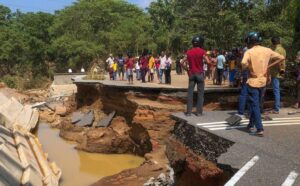
Politically, the disaster is testing the government’s crisis-management capacity. Officials have promised a rapid relief response and long-term flood-mitigation measures, but public frustration is mounting over warnings that many say came too late. Critics argue that years of underinvestment in climate-resilient infrastructure left communities dangerously exposed.
Cyclone Ditwah has also reignited social debates about inequality. Many of the worst-affected neighborhoods are low-income areas situated along flood-prone riverbanks—places where people often live because they have nowhere else to go. Community leaders say this tragedy highlights the urgent need for safer housing and more robust disaster-preparedness programs, especially as climate change fuels increasingly severe weather events in the region.
At the moment, the focus remains on rescue and relief. But as Sri Lanka counts the cost of Cyclone Ditwah, the storm’s impact is likely to shape political discussions and social priorities long after the floodwaters recede.