
Desert Mammals thought Extinct for Nearly 50 Years Return to the Wild
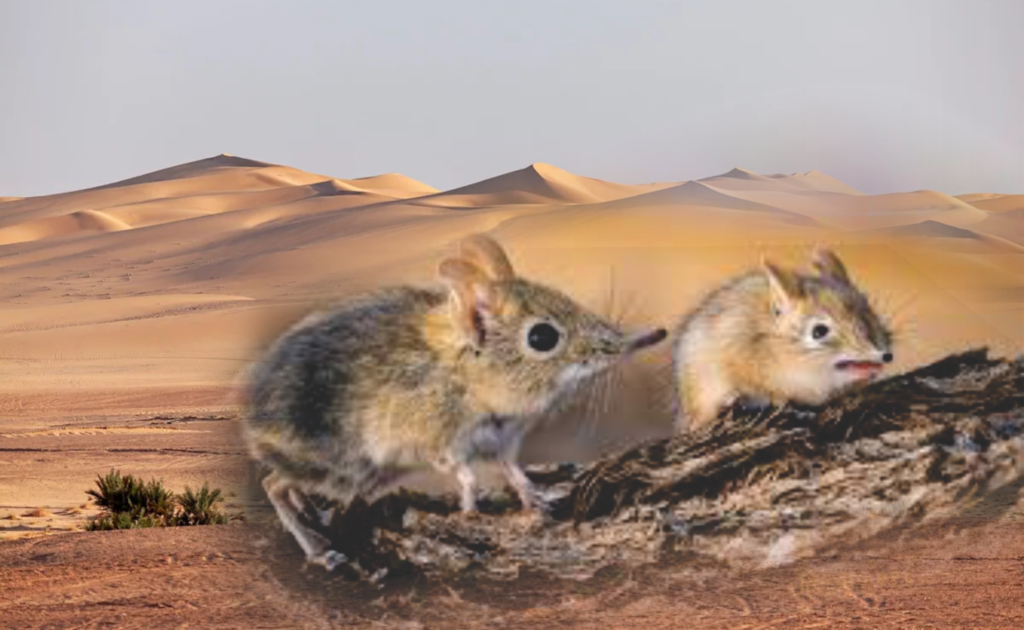
In almost half a century, the scimitar-horned oryx existed only in photographs, museum displays, and zoo enclosures. Once a familiar sight across North Africa’s deserts, the pale antelope with its sweeping, curved horns had vanished from the wild by the late 20th century. Today, its cautious return is being hailed as one of conservation’s most hopeful and complex success stories.
According to the BBC, the oryx’s comeback has been driven by decades of international cooperation, captive breeding, and carefully managed rewilding efforts. For centuries, desert nomads hunted the animals sustainably for meat, hides, and horns. But the arrival of modern firearms, vehicles, and commercial hunting pushed the species beyond its limits. By the 1970s, the scimitar-horned oryx was extinct in the wild.
Reversing that loss has not been simple. Reintroducing any species requires more than releasing animals into open land; it means confronting the same pressures that caused extinction in the first place, from overhunting to habitat degradation and political instability. Even when those risks are addressed, failure is still possible.
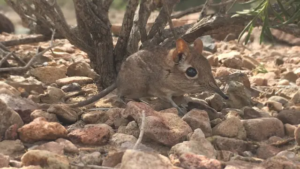
One of the earliest reintroduction attempts took place in 1985, when just ten oryx from Marwell and Edinburgh zoos were released into Tunisia’s Bou-Hedma National Park. “It could have gone horribly wrong” said Tania Gilbert, a conservation scientist at Marwell Wildlife. Instead, the animals survived, and their descendants are still there today.
Their success is partly due to extraordinary adaptations. Scimitar-horned oryx are built for extreme environments. They can survive for years without drinking water, extracting all the moisture they need from grasses. Their bodies can tolerate internal temperatures of up to 47°C (about 116°F), allowing them to remain active when other animals must retreat from the heat. These traits make them not just survivors, but engineers of their ecosystem.
As oryx graze and move across dry landscapes, they disperse seeds and nutrients through their dung. Seeds that pass through herbivores are far more likely to germinate, helping plants establish themselves at the fragile edges of the desert. In this way, oryx contribute to healthier vegetation cover, which stabilizes soil and slows erosion. They also play a role in the food web, supporting predators and increasing overall biodiversity.

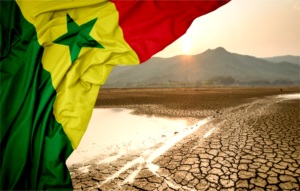
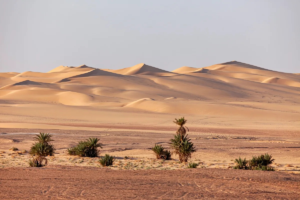
This ecological role has drawn attention as the Sahara continues to expand. Since 1920, the desert has grown by about 10 percent, advancing roughly 48 kilometers a year. Scientists estimate that human activity such as overgrazing, deforestation and climate change, accounts for around a third of that expansion. The consequences are serious: shrinking farmland, water scarcity, forced migration, and the loss of plant and animal species.
No one claims that oryx alone can stop the Sahara. But conservationists see them as part of a broader strategy that combines wildlife restoration with sustainable land management. Their presence can help revive degraded landscapes, buying time for human communities that depend on the land.
That human dimension is critical. Rewilding does not happen in empty spaces; it takes place where people live, herd livestock, and farm. Long-term success depends on local support, fair governance, and policies that balance conservation with livelihoods. In some regions, this means working with pastoralists to prevent conflict and ensuring that wildlife protection does not come at the cost of food security or income.
John Newby, a veteran conservationist, describes the oryx’s return as only the beginning – “This is the tip of the iceberg. The other nine-tenths depends on human behaviour and the ability of people to accommodate wildlife within their lives and livelihoods.”
The scimitar-horned oryx’s return to the wild is a reminder that extinction is not always the end of the story. But it also shows that saving species is inseparable from social choices, political will, and how humanity decides to share an increasingly stressed planet.