
Deutsche Bank Signals Interest in Funding Replacement of Lagos’ Aging Carter Bridge
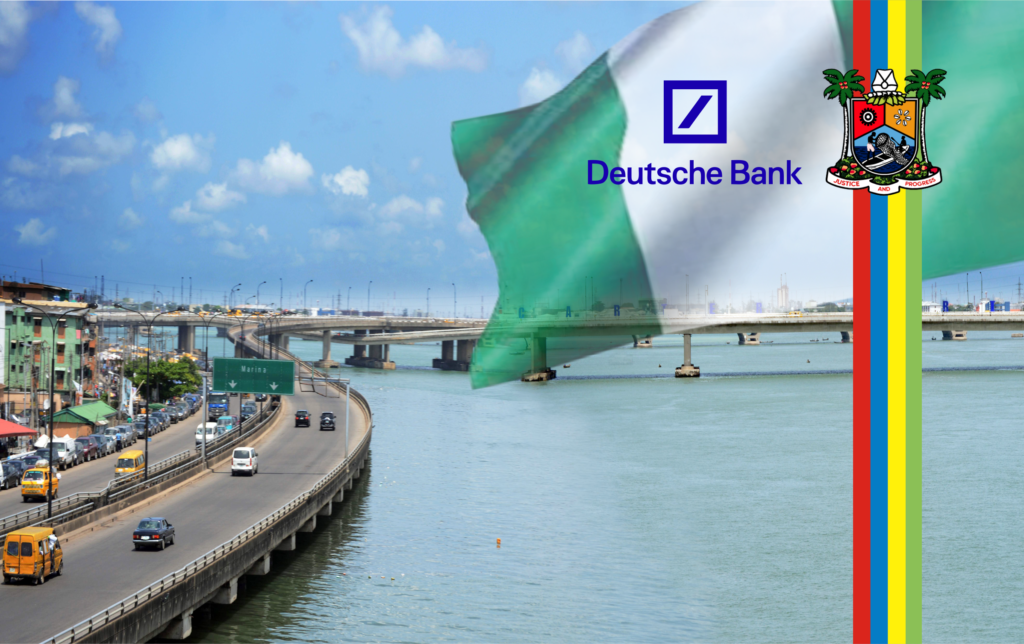
Global lender Deutsche Bank has stepped forward with strong interest in financing the long-overdue replacement of the Carter Bridge and major rehabilitation works on the Third Mainland Bridge, two infrastructures that have shaped the economic and social life of Lagos for decades. The move adds momentum to the Federal Government’s strategy of courting international financiers to close Nigeria’s widening infrastructure gap.
A high-level delegation from the bank, led by Managing Director and Global Co-Head of Structured Trade and Export Finance, Moritz Dornemann, and the bank’s Nigeria Chief Representative, Andreas Voss, met with Minister of Works David Umahi in Abuja on Tuesday. Beyond the Lagos bridges, the team also reaffirmed willingness to participate in future phases of the Lagos-Calabar Coastal Highway, a marquee national project with both political and economic significance.
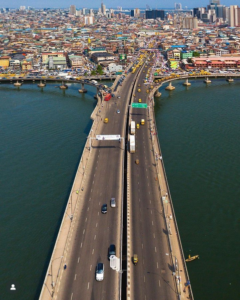
According to Umahi’s media adviser, Orji Uchenna, the visit underscores the government’s push to anchor big-ticket projects on long-term partnerships with trusted global financiers. The delegation praised President Bola Tinubu’s backing of large-scale road and coastal projects, saying such continuity of political support is key to bringing in international capital.
To Lagosians, the conversation goes beyond steel and concrete. Carter Bridge and the Third Mainland Bridge are vital arteries that move workers, traders, students and families every day. Their deterioration has long fuelled public anxiety, with commuters often expressing fear about the safety of structures that bear the weight of Africa’s largest city. A full replacement of the Carter Bridge, which was first built in 1901, would improve daily travel for hundreds of thousands and, in the long run, support safer mobility for generations.
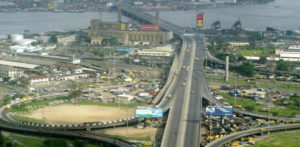
The Deutsche Bank delegation said they were especially interested in the Carter Bridge replacement, citing its age, cultural significance and the potential to dramatically improve urban safety. They also indicate readiness to finance the comprehensive underwater rehabilitation of the Third Mainland Bridge, the longest bridge in Africa until 1996, and still a lifeline for millions. A view of politics, trust and the investment climate.
The political stakes are equally high. Nigeria’s federal leaders have faced mounting pressure to address the country’s infrastructure backlog, particularly in Lagos, where decades of underfunding, corrosion, and heavy traffic have taken a toll. The government’s success in attracting respected global finance institutions signals improved investor confidence, a narrative the Tinubu administration is eager to project.
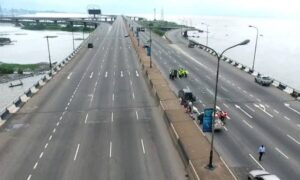
In the meeting, Umahi disclosed that the Lagos-Calabar Coastal Highway has already been oversubscribed by more than $100 million. He added that Deutsche Bank is reviewing the project’s cost estimates, suggesting the possibility that earlier projections understated its value. This is a politically sensitive issue, given public scrutiny of large infrastructure budgets.
As for the urgent engineering realities, Umahi noted that Carter Bridge has deteriorated beyond what routine repairs can address, making full replacement the only viable long-term solution. The Third Mainland Bridge, which has undergone repeated repairs between 2012 and 2024, engineers have flagged worsening underwater degradation of its supporting piles. A comprehensive rehabilitation, officials say, could extend its life by another 50 years and help avert the risk of sudden failures. A step toward a safer future for motorists.
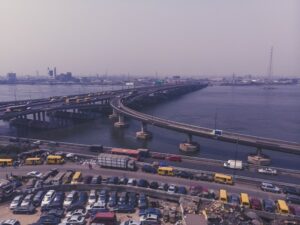
While the procurement process for both projects is still under way, Umahi assured the bank that transparency and fairness would guide contractor selection. Regarding residents of Lagos, a city that depends on its bridges as much as it depends on electricity and water, the renewed global interest brings hope that the era of reactive repairs may finally give way to long-term, resilient infrastructure planning.
As Nigeria leans more heavily on international partnerships to rebuild aging transport networks, the government believes that collaborations with financiers such as Deutsche Bank could strengthen economic growth, enhance public safety and restore confidence in the country’s infrastructural future.