
ECOWAS Engages Energy China Int’l in Strategic Tie to Bridge West Africa’s Power Deficit
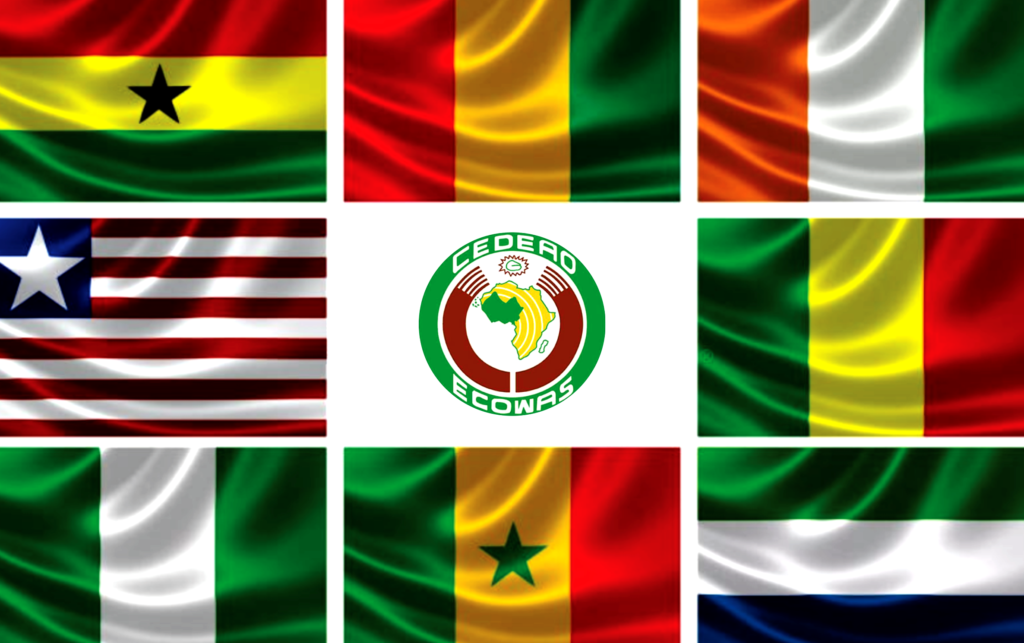
In a region where unreliable electricity continues to shape daily life, from market traders losing perishable goods to students studying with candlelight, fresh talks on partnership between the Economic Community of West African States (ECOWAS) and Energy China International, are raising cautious optimism about a more stable energy future.
Meeting in Abuja, officials from ECOWAS’ Energy and Mines Directorate and the West African Power Pool (WAPP) opened discussions with the Chinese state-backed firm on how to expand electricity access, modernize aging grid systems, and unlock financing for large-scale infrastructure projects across West Africa.
At the heart of the talks lies a persistent challenge: despite decades of reforms, millions across the subregion still lack reliable power. For households, this means high spending on generators and fuel; for small businesses, it translates into lost income and limited growth. Policymakers increasingly frame electricity as infrastructure that is a social equalizer; and key to education, healthcare delivery, job creation, etc.
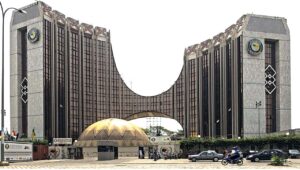
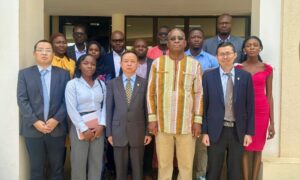
ECOWAS officials pointed to ongoing efforts to strengthen distribution networks and deploy energy storage systems that could stabilize supply in both urban and rural areas. Acting Energy and Mines Director William Baidoe emphasized that improving grid resilience is essential to reducing outages that ripple through economies and deepen inequality.
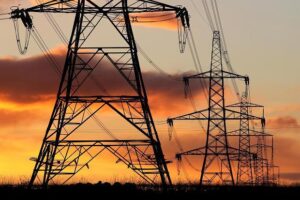
From a regional integration standpoint, the projects outlined by WAPP, reflect an ambitious political vision of a fully interconnected West African power market. Major cross-border initiatives, including the CLSG interconnection linking Côte d’Ivoire, Liberia, Sierra Leone and Guinea, and the North Core project connecting Nigeria, Niger, Burkina Faso and Benin, are designed to share electricity and bind economies more closely together.
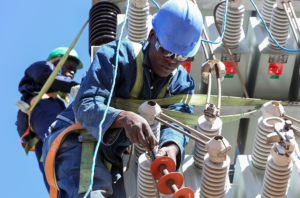
Analysts say such infrastructure carries diplomatic weight. By pooling energy resources, countries can reduce tensions over shortages, improve trade and strengthen the regional cooperation’s long-standing goals of ECOWAS. So far, progress has often been slowed by funding gaps, regulatory inconsistencies and governance concerns. That is where partnerships like the one under discussion, could prove pivotal. Representing Energy China, General Manager Huang Aijun indicated interest in providing both technical expertise across conventional and renewable energy; and access to financing, which is a critical factor for capital-intensive projects that many West African governments struggle to fund alone.
Still, observers urge caution, because previous large-scale infrastructure deals across Africa, have sparked debates over debt sustainability, local content and long-term ownership. Civil society groups increasingly call for transparency in contract negotiations and stronger safeguards to ensure that communities benefit directly from such investments.
From the grassroots stakeholders, the stakes are immediate. Reliable electricity can extend business hours for traders, power irrigation systems for farmers, and enable digital services for young entrepreneurs. In fragile or underserved areas, electrification is also linked to improved security and reduced rural-urban migration.
Both ECOWAS and Energy China agreed to continue engagement, focusing on project viability and concrete areas of collaboration. At the moment, the discussions mark an early but significant step, in aligning political ambition with practical investment. This an effort that, if realized, could reshape the power sector and everyday life across West Africa.