
Egypt Unveils $30 Million Transport Project to Connect Sharm El-Sheikh and Giza, Boosting Tourism
As global travel patterns shift and competition intensifies among emerging and established destinations, Egypt is moving to reposition itself as a custodian of ancient heritage, modern, accessible and sustainable tourism hub. A new $30 million transport and infrastructure upgrade linking Sharm El-Sheikh and Giza Plateau forms the centerpiece of this push, with officials framing it as both an economic catalyst and a social investment.
The initiative places Egypt alongside regional peers such as Morocco, Tunisia, Algeria, South Africa, United Arab Emirates, Saudi Arabia and Turkey, all of which are investing heavily to capture a larger share of post-pandemic tourism flows, with infrastructure as a social lever. By improving visitor convenience, the transport overhaul is expected to reshape local economies. In communities surrounding the Great Pyramids of Giza, small business owners from tour guides to craft sellers, anticipate increased and more predictable foot traffic.
Urban planners involved in the Giza revamp say the project’s expanded visitor centers and improved road systems are designed not only to reduce congestion but also to create more organized commercial zones. This could help formalize segments of the informal tourism economy, offering workers better stability and potentially increasing tax revenues for local authorities.
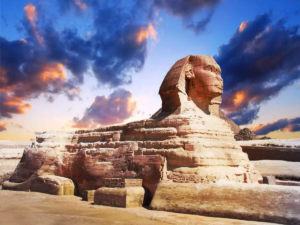
Accessibility is another key focus. New pathways and facilities for people with mobility challenges are being introduced, reflecting a broader change toward inclusive tourism. An area where Egypt has historically lagged behind some competitors.
Viewing the optics of political signaling and regional positioning. Analysts’ interpretation, sees the project as part of a broader diplomatic and economic strategy. By investing in high-visibility infrastructure, Egypt is showing stability and long-term planning, at a time when many travelers are wary of geopolitical uncertainty.
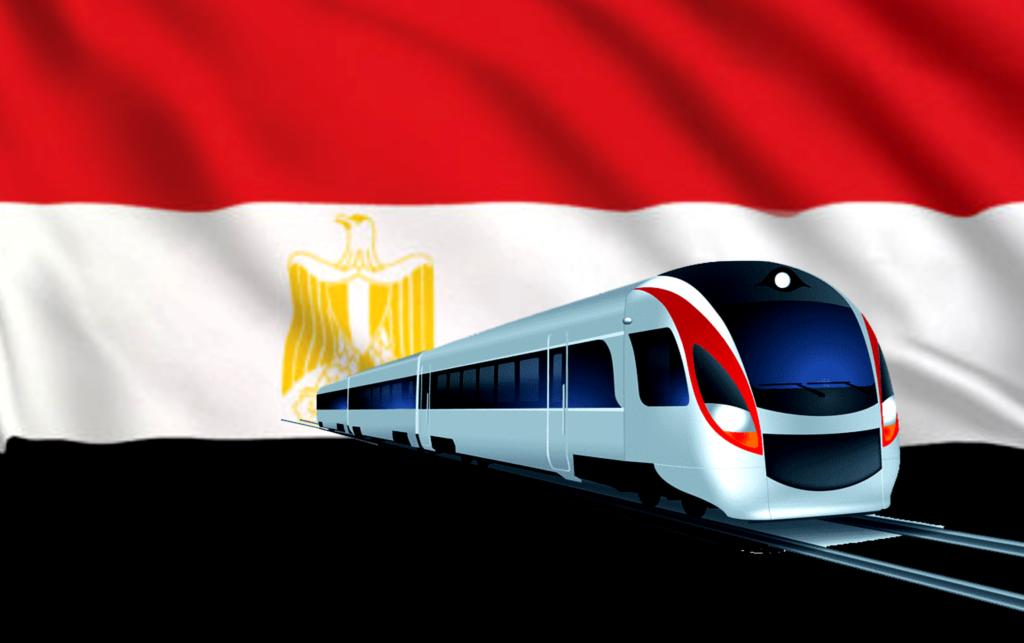
The expansion of high-speed rail connecting Cairo, Alexandria and coastal destinations is particularly significant. It not only strengthens domestic connectivity but also aligns with regional ambitions to build integrated transport corridors that could, in the future, link North Africa and the Middle East more closely. Some executives have also hinted that improved infrastructure, could support Egypt’s growing role as a host for international conferences and cultural events, reinforcing its soft power influence.
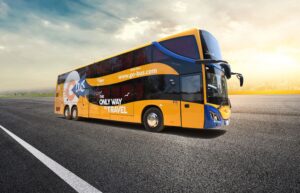
In regard to grassroots impact in Sharm El-Sheikh, the introduction of electric buses is being welcomed by both environmental advocates and tourism workers. Drivers and service operators say the shift could reduce fuel costs and create new technical jobs tied to maintenance of electric fleets. To most residents, the quieter and cleaner buses represent a quality-of-life improvement in a city heavily dependent on tourism. While visitors on the other hand, feel they offer a more seamless way to navigate resorts, beaches and conservation areas, especially as eco-conscious travel becomes more influential in destination choices. Egypt, is balancing heritage promotion with modernity.
The challenge for Egypt lies in balancing modernization with preservation. Conservationists have previously raised concerns about overdevelopment near sensitive historical sites. Authorities insist that the Giza upgrades are being carried out with strict oversight to protect archaeological integrity. If successful, the model could demonstrate how heritage sites can accommodate rising visitors’ numbers, without compromising their cultural value. This, is a question-buzz facing destinations worldwide.
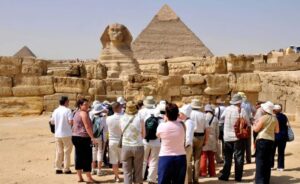
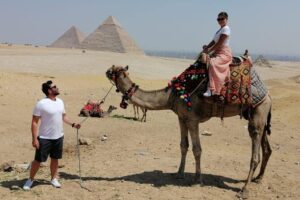
Tourism remains a critical pillar of Egypt’s economy and the latest investments reflect a calculated effort to future-proof the sector. By improving transport, embracing sustainability, and widening access, the government is betting that convenience and inclusivity will translate into longer stays and higher visitor spending.
With regards to most travelers, the changes may soon mean shorter queues at the pyramids, faster journeys between cities and cleaner transport options along the Red Sea path. Moreso on the broader view for Egypt, the stakes are creation of jobs, international perception and a renewed claim to leadership, in a rapidly evolving global tourism landscape.