

Ethiopia Moves to Print Its Own Currency, Framing the Shift as Economic Sovereignty
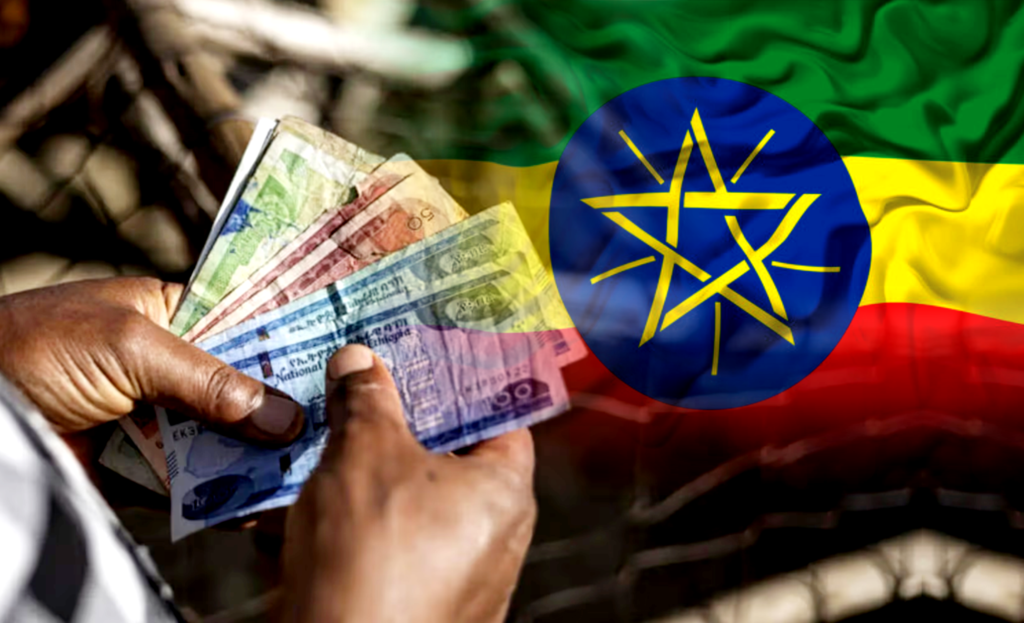
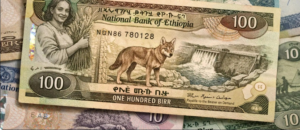
Ethiopia is preparing to print its own banknotes for the first time, a move Prime Minister Abiy Ahmed says is meant to reduce financial risk and strengthen national control over critical economic infrastructure. The plan, announced Thursday at the Finance Forward Ethiopia 2026 conference, places domestic currency production under Ethiopian Investment Holdings (EIH), the state-owned manager of government commercial assets.
In decades, Ethiopia, like many African countries, has relied on foreign firms to print its currency, a practice that can expose governments to logistical delays, foreign exchange pressures, and security concerns. By bringing the process home, officials argue, the country would safeguard a core symbol of sovereignty while keeping more value within the economy.

“This is about building strategic national capabilities”, Abiy told participants, describing currency printing as one of several “key, untold strategic arms” to be developed under public ownership. He said EIH’s role would expand significantly in the coming years, with its contribution to gross domestic product projected to reach 20 percent by 2030.
Behind the policy language lies a broader restructuring of how the Ethiopian state manages wealth. Established in December 2021, EIH oversees more than 40 state-owned enterprises across sectors ranging from energy and telecoms to transport and manufacturing. According to figures presented by the prime minister, the holding company controls assets valued at 8.2 trillion birr, while combined revenues have grown sharply over four years. Foreign exchange holdings now stand at nearly $49 billion.

Abiy acknowledged that many of these enterprises were once poorly governed, despite controlling vast public resources. Some failed to pay taxes, kept weak financial records, or operated with high costs and limited accountability. EIH, he said, was created to impose corporate governance standards, improve profitability, and prepare selected firms to attract investment.
The implications extend beyond balance sheets. Printing currency locally could create skilled jobs and technical training opportunities, while reducing dependence on external suppliers. However, some economists caution that such capacity requires strict oversight to prevent misuse and ensure confidence in the currency, particularly in a country navigating inflationary pressures and ongoing economic reforms.
EIH’s ambitions also reflect a push up the value chain in other sectors. Abiy revealed that the holding company is constructing Ethiopia’s first gold refinery, aiming to end the long-standing practice of exporting raw gold. Refining domestically, officials say, would preserve more national wealth and generate higher returns.
In a more unconventional move, the prime minister said EIH is working with crypto-mining firms, an initiative he described as a long-term investment expected to yield future gains. Details remain limited, and analysts say transparency will be key to assessing risks in a sector known for volatility and high energy use.
In respect to most Ethiopians, the success of these plans will be measured not only in macroeconomic indicators but in everyday impact with regards to jobs created, services improved and public trust restored in institutions managing national wealth. As EIH expands its footprint, the challenge will be balancing state control with accountability and ambition with stability, in a rapidly changing economic landscape.