
Ethiopia’s Fertilizer Heartland Flock a Looming Clash of Business Titans
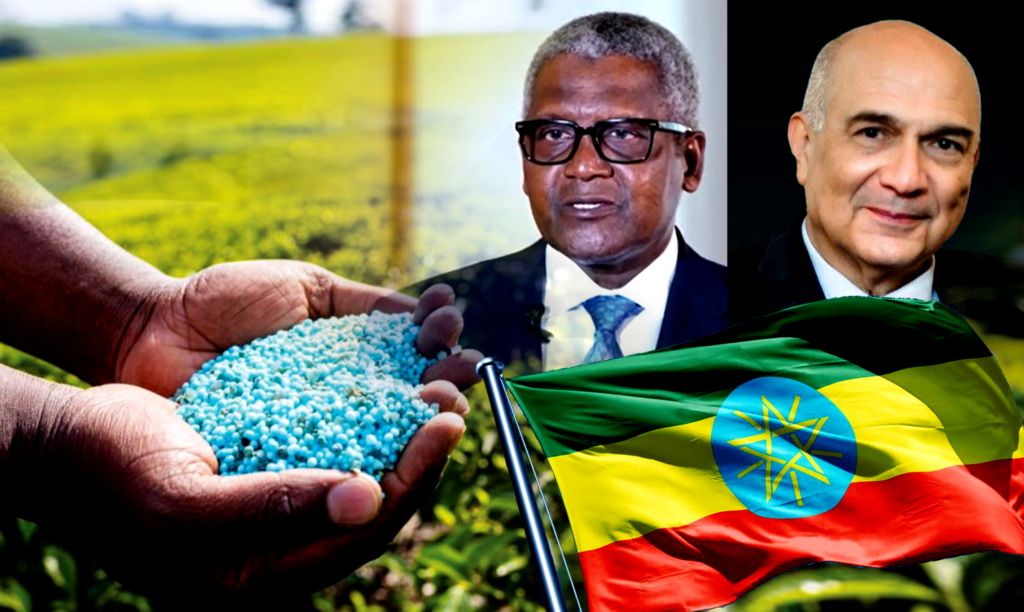
Billionaire versus behemoth, the Africa’s richest man steps into Ethiopia’s fields as a Moroccan state giant defends its long-courted ground of raising stakes for farmers, policymakers and food security across the Horn.
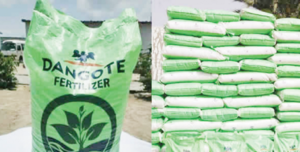
When Aliko Dangote’s group unveiled plans in August 2025 to enter Ethiopia’s fertilizer market, the announcement rippled far beyond boardrooms. To the smallholder farmers struggling with rising input costs, it sounded like competition, and a possibly relief. On the part of policymakers, it reopened questions about industrial strategy and food sovereignty. And for OCP Group, the Moroccan state-owned phosphate giant that has been courting Ethiopia for nearly a decade, it sharpened a rivalry that is as political as it is commercial.
At first glance, the contest is about chemistry. Dangote Fertilizer has built its reputation in nitrogen-based inputs, leveraging Nigeria’s gas resources to produce urea at scale. OCP, led since 2006 by Mostafa Terrab, is the world’s largest phosphate producer, anchored by Morocco’s vast reserves and a global distribution network. Ethiopia’s soils need both nutrients. The country’s fast-growing population and its push to reduce food imports, make fertilizer a strategic commodity. But beneath the science, lies a stronger tussle over timing, trust and influence. While farmers are at the center, and on the margins.
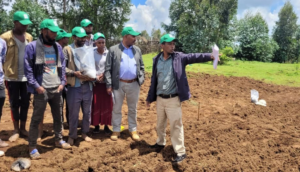
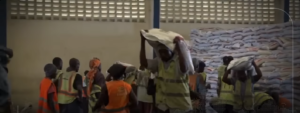
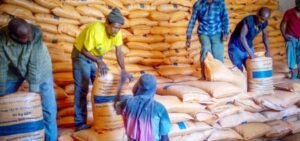
Ethiopia’s agricultural backbone is made up of millions of smallholders’ farmers. And fertilizer access can mean the difference between surplus and subsistence for them. Prices, delivery reliability, and extension services matter as much as brand names. Advocates say competition could improve all three. “More players can mean better terms” says a cooperative leader in Oromia, who notes that delays and foreign-currency shortages have historically disrupted imports. Dangote’s pitch for local production with regional supply chains, promises steadier availability. OCP, in its part, has long emphasized tailored blends and soil mapping, arguing that precision and not just volume, raises yields. The human benefit question is therefore not who wins, but whether farmers do. Will prices fall? Will credit and training reach remote areas? And will inputs arrive before the rains?
In considering a business standoff years in the making, OCP announced a mega-production complex in Ethiopia in 2016, framing it as a cornerstone of South-South industrial cooperation. However, the progress has been uneven, buffeted by financing hurdles, regulatory shifts and the realities of building large-scale plants in a complex operating environment. Dangote’s arrival reframes that history not as failure, OCP maintains, but as a long-term partnership still unfolding.
From Addis Ababa’s perspective, the calculus is pragmatic. Ethiopia wants investment, technology transfer and jobs creation, without overreliance on any single supplier. Dangote brings speed and capital, while OCP brings experience and a vertically integrated phosphate chain. The government’s challenge is to structure agreements that would lock-in public benefits, while keeping the market competitive. Here lies politics in the furrows.
This is also a story of diplomacy. Morocco has used OCP as a flagship of economic statecraft across Africa, pairing fertilizer projects with training programs and research institutes. Nigeria, Africa’s largest economy, sees Dangote as a private-sector ambassador whose industrial plays can rebalance regional trade.
Ethiopia, navigating its own domestic pressures and regional role, must weigh these relationships carefully. Awarding licenses, land and incentives sends pointers to investors and capital holders watching from Rabat, Abuja, across Africa and the world.
The government stakes and public accountability will grind-in public scrutiny in rising. Civil society groups are asking what tax terms are being offered, how environmental safeguards will be enforced and whether local content rules will translate into skilled jobs. Water use, emissions and transport corridors are under the microscope. So is transparency. And who gets foreign exchange and on what terms? Officials say competition strengthens their hand. One Ethiopian government adviser notes that “Multiple credible investors’ give us options. Our goal is affordable fertilizer, strong supply and value added at home”.
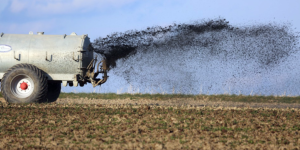
Ultimately, the rivalry will be judged in villages, not in press releases. If Dangote’s nitrogen inputs lower costs quickly, farmers will notice. If OCP’s phosphate blends deliver higher yields sustainably, loyalty may follow. The best outcome that analysts argue over, is coexistence, complementation, shared infrastructure and a market that rewards performance.
The clash of titans may make headlines, but Ethiopia’s fertilizer future depends on quieter victories, on-time deliveries, fair pricing dynamics and bountiful harvests that keep pace with a growing nation. In that sense, the real power play is not between a billionaire and behemoth, but between scarcity and security in the soil beneath Ethiopia’s feet.