
Exploring Zero-Waste Lifestyle, Driving a Culture from the Home-front to the Community
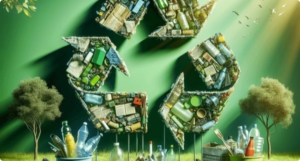
As climate pressures mount and cities grapple with rising waste, zero-waste living is steadily shifting from an eco-conscious niche to a practical, people-centered solution. At its core, the approach is simple but transformative: rethink everyday consumption so that little to nothing ends up in landfills or the environment. The guiding principles – refuse, reduce, reuse, recycle and rot – place prevention first, offering a roadmap that begins at the household level but carries far-reaching social and economic benefits.
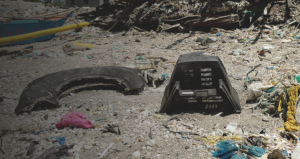
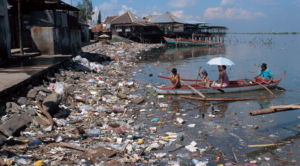
In high consideration for many communities, especially in rapidly growing urban centers, the impact is immediate and tangible. Reducing waste at the source means fewer overflowing dumpsites, cleaner streets, and improved public health. When households’ compost food scraps instead of discarding them, they not only cut harmful methane emissions but also produce nutrient-rich soil that can support local farming and urban gardens. These small, grassroots actions translate into healthier neighborhoods and lower exposure to pollution-related illnesses.
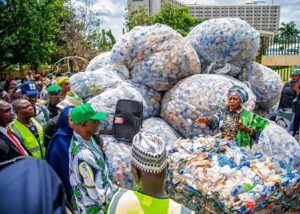
The economic case is equally compelling. Waste is expensive, from collection and transport, to landfill management and environmental cleanup. By cutting down what is thrown away, cities can redirect scarce public funds toward essential services such as healthcare, education, and infrastructure. At the household level, zero-waste practices like repairing items, buying in bulk, and choosing reusable products help families save money over time. Informal sectors also benefit, as repair artisans, recyclers, and second-hand traders see increased demand, creating jobs and strengthening local economies.

Research underscores the scale of potential gains. Broad adoption of zero-waste practices could reduce global greenhouse gas emissions by up to 25% by 2040, while significantly shrinking solid waste volumes. Producing goods from reused or recycled materials can use far less energy than relying on raw resources, easing pressure on energy systems and natural ecosystems alike. Most of the communities already facing energy and resource constraints, these efficiencies are not abstract, they directly affect affordability and access.
Nonetheless, the strength of zero-waste living lies in its accessibility. It does not require sweeping lifestyle overhauls to begin. Simple steps for carrying reusable bags, avoiding single-use plastics, composting kitchen waste, or buying second-hand, can quickly add up. As more people adopt these habits, they influence local markets, encouraging businesses to offer refill options, reduce packaging, and design more durable products.
Still, individual effort alone cannot carry the transition. Supportive policies, such as incentives for recycling infrastructure and accountability for producers, are essential to scale impact. Community initiatives, from neighbourhood composting programs to repair hubs, also play a critical role in making low-waste living practical and inclusive.

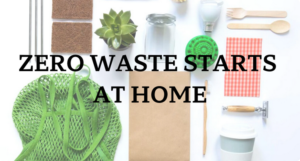
The table below structures the most effective everyday swaps and why they matter, making it easier to choose actions that compound:
| Everyday item | Zero-waste alternative |
| Plastic bags | Cloth tote bags |
| Paper towels | Reusable cloths |
| Bottled water | Stainless steel bottle |
| Coffee pods | French press or reusable pods |
| Plastic wrap | Beeswax wraps |
| Disposable razors | Safety razors |
| Shampoo bottles | Shampoo bars or refill stations |
| Tampons | Menstrual cups |
| Toothpaste tubes | Toothpaste tablets |
| Takeout cutlery | Reusable bamboo sets |
Ultimately, zero-waste living is more than an environmental strategy; it is a pathway to stronger communities. By reducing waste, people not only protect the planet but also unlock economic opportunities, improve public health, and build resilience from the ground up.
In exploring zero-waste living for a sustainable future with frequently asked questions, the following Questions and Answers (Q and A) below will provide some clear understanding:
Q: What exactly is zero-waste living?
A: Zero-waste living is a lifestyle approach that reshapes consumption patterns so that minimal waste ends up in landfills, incinerators, or the natural environment. It follows a clear order of refuse, reduce, reuse, recycle and rot, with a strong emphasis on preventing waste at the source rather than relying on downstream solutions.
Q: Why should we adopt zero-waste practices now?
A: The urgency of the global waste and climate crisis makes immediate action essential. Widespread adoption of zero-waste habits can significantly cut emissions and material use within decades, ease pressure on ecosystems, and help avoid escalating costs linked to waste management and public health. Delaying action will only make solutions more complex and expensive.
Q: How does zero-waste living cut climate impacts?
A: Zero-waste practices reduce the need for raw material extraction and energy-intensive manufacturing. They also cut emissions from waste systems, including methane from landfills, and lower the overall carbon footprint embedded in everyday goods. Combined with renewable energy and circular economy strategies, these actions amplify climate benefits.
Q: Are there concrete climate outcomes linked to broad adoption?
A: Studies suggest that large-scale adoption of zero-waste practices could significantly reduce global greenhouse gas emissions by 2040, while sharply decreasing solid waste volumes. The result would be the avoidance of more than a billion tonnes of CO₂-equivalent emissions annually, alongside cleaner air, healthier communities and better resource conservation.
Q: How do production and recycling affect energy use?
A: Manufacturing goods from reused or recycled materials typically requires far less energy, than producing them from fresh start; and in some cases it’s dramatically less. Prioritising reuse and material circulation, is therefore one of the most effective ways to reduce energy consumption linked to production.
Q: What are practical first steps I can take at home?
A: Experts recommend starting with simple, targeted actions: refuse single-use items and unsolicited mail, cut back on impulse purchases, switch to reusable alternatives such as tote bags and refillable bottles, and introduce basic composting for food waste. Small, consistent steps can quickly add up.
Q: How should I handle food waste?
A: Effective food management is key. Planning meals, storing items properly, and following a “first in, first out” system can reduce waste. Composting food scraps where possible not only lowers household waste but also prevents methane emissions from landfills while saving money.
Q: Is going zero-waste expensive or impractical on a budget?
A: On the contrary, many zero-waste practices are cost-saving. Buying in bulk, repairing items, choosing second-hand goods, and making simple household products can significantly reduce expenses while cutting waste.
Q: How do I know I’m making progress?
A: Tracking progress is essential. Setting measurable goals, keeping a waste log, and periodically weighing or counting discarded items can provide clear evidence of improvement. Monitoring results also highlights the financial and environmental benefits of small behavioural changes.
Q: What common recycling mistakes should I avoid?
A: Contamination remains a major issue in recycling systems. Dirty or improperly sorted materials often end up in landfills. Understanding local recycling rules, rinsing containers, and avoiding non-recyclables are critical steps, as quality is just as important as quantity.
Q: How can I reduce clothing and textile waste?
A: Reducing textile waste begins with buying less and making items last longer. Repairing clothes, shopping second-hand, swapping garments, and donating or repurposing unwanted textiles can significantly cut the environmental footprint of fashion.
Q: What broader benefits occur if zero-waste is widely adopted?
A: Beyond lowering emissions and reducing landfill use, widespread adoption can deliver far-reaching social and economic benefits. These include reduced waste volumes, lower infrastructure and healthcare costs, less ocean plastic and improved air/water quality, particularly for vulnerable communities.