
Exposing the Ignored-Battles in Africa’s Sexual and Reproductive Health
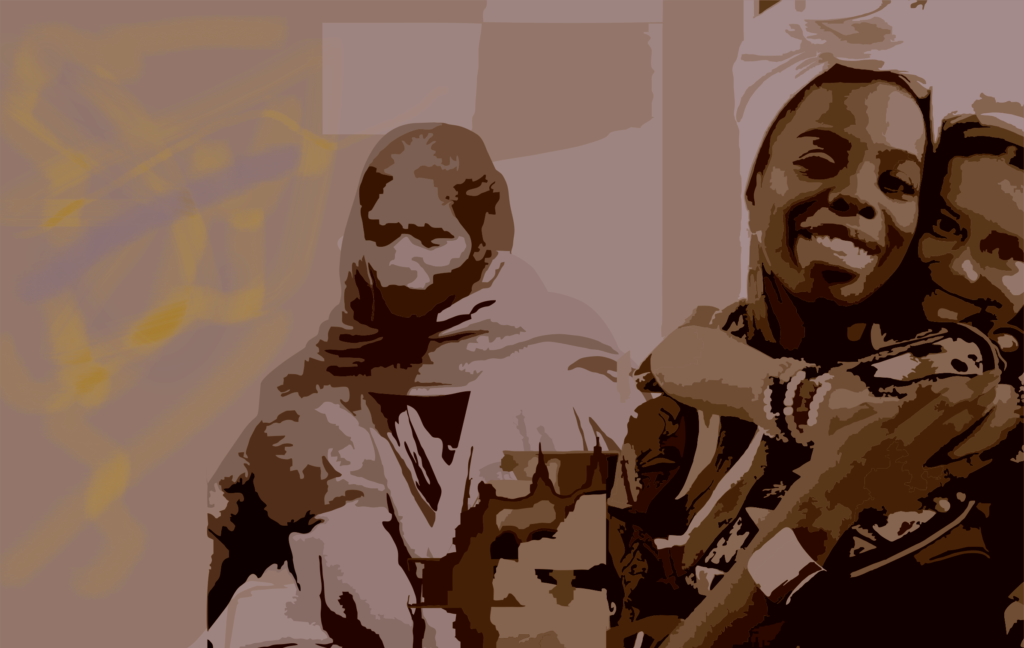
Across Africa, debates over women’s bodies rarely remain confined to parliaments or courtrooms. They echo in hospital corridors, shape family negotiations, filter into classrooms and surface in whispered conversations among friends. Now, new cross-country data is shedding light not only on public attitudes toward sexual and reproductive health and rights (SRHR), but also on the deeper silences that surround them.
A recent findings across 38 African countries showed a generally acceptable response rates on questions about contraception, sexual education, abortion and women’s autonomy. Thus far, one result stood out with 12.2% of respondents, who declined to answer a question about perceived abortion prevalence. But more a twofold of 5% harboured non-response threshold. In statistical terms, this is a detachment from the main issue in focus. But in political and social terms, it is a red-flag when silence speaks.
In countries such as Morocco, the reluctance was far more pronounced. The survey recorded an average non-response rate of 31.3% across 11 items touched with questions; with outright-refusal peaking at 41.5% for a question about contraceptive access, regardless of age. More high non-response rates were also observed in Guinea-Bissau, Mauritius, Angola and Tunisia.
Researchers caution that refusal does not necessarily equal opposition. It may reflect fear of judgment, social desirability bias, religious sensitivity, or concern over confidentiality, even in anonymised interviews. But when thousands of people choose silence on certain topics, that silence itself becomes data. Behind the numbers of repelling-responses, lie layers of human realities intertwine in reactions drawn from familyhood and sociocultural pressures.
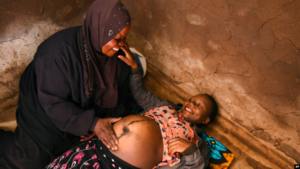
In many African societies, sexual matters remain culturally as a taboo. Discussions about contraception or abortion often occur behind closed doors. In respect to unmarried girls and young women, seeking contraceptives can trigger accusations of promiscuity. Most young people have reported being labelled naughty or wayward for attempting to access reproductive services.
The consequences are not abstract. According to the World Health Organization (WHO), sub-Saharan Africa continues to bear a disproportionate share of global maternal mortality, much of it are preventable. Unsafe abortions, untreated reproductive infections and complications from gender-based violence persist, often in silence. Family dynamics frequently shape these outcomes. In patriarchal households, decisions about contraception may rest with male partners or elders. Traditional expectations around fertility, especially in some where there is intense pressure for the wife to prove womanhood through childbirth, this can override medical advice or personal choice.
At the same time, misconceptions of masculinity affect men’s health-seeking-behaviours. Studies published in PubMed Central (PMC), highlight how extremely ingrained ideas about manhood, discourage men from considering services such as vasectomy, reinforcing the perception that reproductive responsibility belongs primarily to women. A systemic barriers in plain sight.
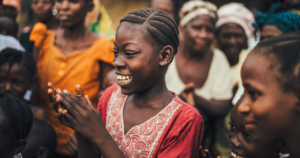
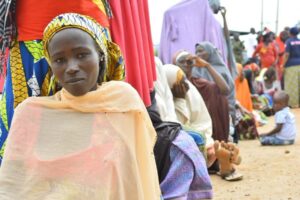
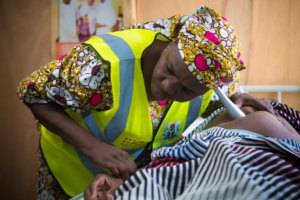
Even where laws permit certain services, access remains uneven. Many public health facilities lack adolescent-friendly spaces or adequate privacy. Young people often fear that health workers will disclose confidential information to parents or community members. Infrastructure gaps compound the problem: inconsistent contraceptive supplies, undertrained providers and overstretched clinics undermine service delivery. In rural areas, long travel distances and transport costs, further limit access.
These structural weaknesses have economic implications. Poor reproductive health outcomes reduce women’s participation in education and the workforce, perpetuating cycles of poverty. On the aspect of governments, the fiscal burden on preventable maternal and neonatal complications strains, already limits health budgets.
Legal frameworks around abortion, remain among the most restrictive globally. An estimated 92% of women of reproductive age in sub-Saharan Africa, live in countries where abortion is either prohibited entirely or permitted only to save a woman’s life or protect her health. Many of these laws, trace back to colonial penal codes that were never fully reformed after independence. Today, abortion debates often function as proxies for broader ideological struggles between secular and religious authorities, global rights discourse and local moral frameworks; and between feminist movements and conservative political blocs.

The implication is clear, a single continental index of reproductive rights’ attitudes, cannot capture Africa’s diversity. Context matters beyond the gathering of research-measurement in data collation. The stakes also are high for government structure. As well, governments and civil society organisations will rely on public opinion data to shape legislation, allocate funding and design health interventions’ bills. But if stigma suppresses the quality of being open, honest and frank, then government decisions risk being based on incomplete data.
Researchers recommend grounding analysis firmly in each country’s legal and cultural environment, reporting response rates transparently and pairing quantitative findings with qualitative insights from fieldwork.
The broader lesson extends beyond methodology. In societies where speaking openly about sexuality can carry social costs, surveying sexual and reproductive health and rights (SRHR) will not merely technical, but diplomatic. It tests the boundaries of what citizens feel safe to say. As grassroots corporative reckoning.

Across the continent, activists, health workers, faith leaders and youth groups are quietly reshaping the conversation. Some countries are cautiously expanding access to reproductive services; others remain anchored to restrictive systems shaped by religious conservatism and colonial inheritance. While suggestively, most Africans are willing to engage with sensitive issues. Nonetheless, persistent discomfort particularly around abortion, reveals unresolved tensions between public health realities and moral discourse.
In the end, the hidden struggles behind Africa’s sexual and reproductive health are not only about laws or clinics. They are about power within families, trust in institutions, economic opportunity, cultural identity, etc. And sometimes, reaction around what people choose not to say, tells much more about what they want to.