
Fashion Business in West Africa: the Prospect and Narrowing Window of Opportunities
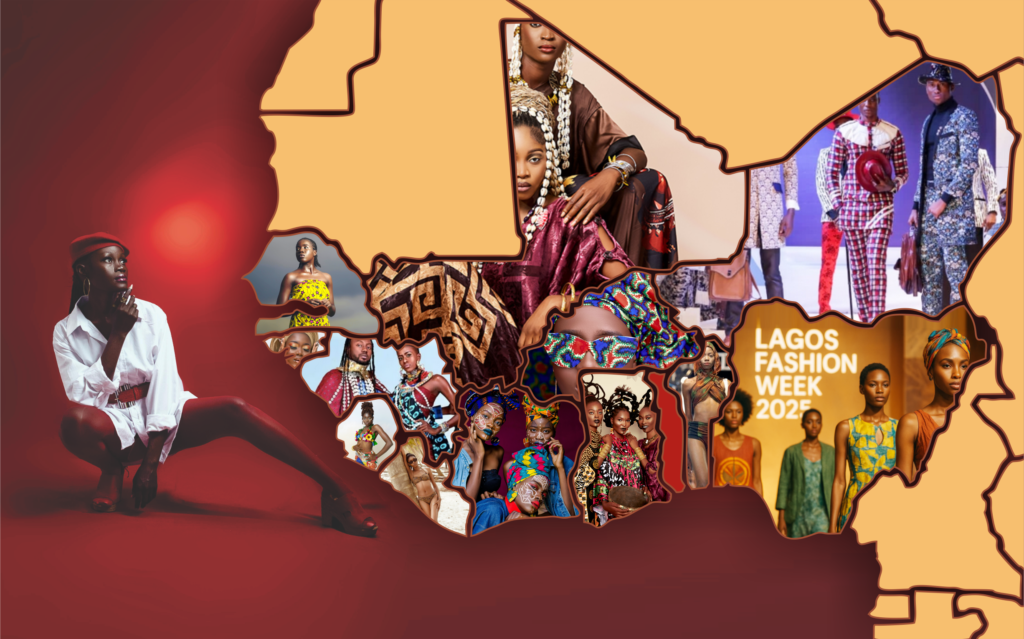
From the crowded ateliers of Lagos and the coastal runways of Dakar to emerging fashion collectives in Accra, Cotonou and Lomé, West Africa’s fashion industry is no longer a fringe creative pursuit. It is fast becoming a serious economic and cultural force that sits at the connection of heritage, youth identity, technology and global demand. Yet, for all its momentum, the region’s fashion-creativity faces a narrowing window of opportunity without the influx of coordinated investment, policy reform and support for grassroots inclusion, much of its promises could remain unrealized. And this is part of the African culture that connotes capital.
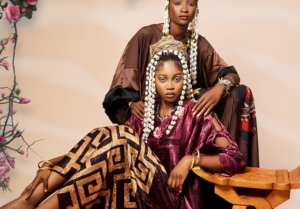
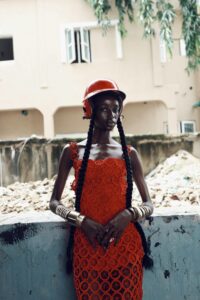
At the heart of West Africa’s fashion rise is cultural authenticity. Designers across the region are blending indigenous textiles, symbols and techniques like kente, adire, bogolan, handwoven cotton, Adinkra motifs, into contemporary silhouettes that resonate far beyond the continent. In a global market fatigued by homogenized fast fashion, this heritage-driven approach offers something rare, clothing that carries story, place and identity. Cities like Lagos, Dakar, Accra, Abidjan, Lomé, Cotonou, etc., have emerged as creative capitals, each with distinct visual languages. Lagos thrives on bold experimentation and commercial energy; Dakar blends minimalism with craftsmanship; Accra balances heritage with streetwear culture. Together, they form a regional ecosystem that is increasingly visible on global fashion calendars. This cultural authenticity is now one of West Africa’s strongest business assets. As global consumers seek originality, traceability, and meaning in what they wear, West African fashion offers something that cannot be mass-produced elsewhere: designs embedded in lived culture.



To many young Africans, fashion is not just commerce but self-expression and cultural reclamation. It reflects urban realities, diasporic exchange and a growing confidence in African aesthetics on African terms. This cultural capitals have become a commercial asset, drawing international buyers, stylists and media to West African fashion weeks and trade shows. A youthful market, at home and abroad.

Demographics are a powerful tailwind. Africa has one of the youngest populations in the world, providing both a vast labor pool and an expanding consumer base; and fashion has become a key medium for self-expression, entrepreneurship and social mobility. As urban youth gain spending power, local demand for homegrown brands is rising, particularly in streetwear, bespoke tailoring and occasion wear. Young designers, stylists, photographers, models and digital marketers are also building brands with limited resources but enormous cultural capital. Internationally, the African diaspora, global tastemakers are amplifying West African fashion through music, film and social media. Fashion here in most parts Africa, is about belonging, aspiration and voice, not just clothing, especially for young people and women, who dominate much of the informal and creative labour market. At the same time, global interest in African fashion has surged. African-owned brands are increasingly bypassing traditional gatekeepers, selling directly to customers abroad through e-commerce and digital storytelling.

Digital tools are reshaping the industry at speed. Designers now use social media for marketing, AI-assisted tools for trend forecasting and sizing, and e-commerce platforms to reach global customers. According to reports, technology is helping local brands bridge gaps in distribution, personalization and efficiency that once limited scale.
But this digital leap is uneven. Access to reliable electricity, internet, capital and technical skills remains deeply unequal, often reinforcing class divides within the creative ecosystem. For smaller designers in informal settings, technology can feel less like an opportunity and more like a barrier.


Fashion events as economic engines, have become critical infrastructure for the industry. Lagos Fashion Week, Africa Fashion Week Nigeria, Dakar Fashion Week, Accra Fashion Week and Fashion Week Abidjan now serve as marketplaces, media hubs and cultural showcases. Trade-focused events such as Source Textile & Apparel West Africa and Beauty West Africa connect designers with suppliers, investors and buyers, while regional festivals in Benin, Togo, Ghana, Liberia and Cabo Verde provide platforms for emerging talent.
These events do more than showcase clothes. They generate tourism, foster cross-border collaboration and signal seriousness to international partners. Increasingly, sustainability has moved from buzzword to core theme, with designers experimenting in upcycling, circular fashion and locally sourced materials.
At the grassroots level, smaller and unconventional shows from community-runway festivals to prison-based runway initiatives, highlight fashion’s social role, also as rehabilitation, empowerment and collective storytelling.



Fashion weeks and trade shows have become serious economic-gateway platforms for visibility, networking and investment. Lagos Fashion Week, Africa Fashion Week Nigeria, Dakar Fashion Week, Accra Fashion Week, Benin Fashion Week, FIMO228 in Togo, Fashion Week Abidjan are no longer just cultural showcases, they function as marketplaces, incubators and diplomatic stages. Also, trade-focused events such as Source Textile & Apparel West Africa and Beauty West Africa connect designers with suppliers, investors and buyers, while regional fashion festivals/runways in Benin, Togo, Ghana, Liberia and Cabo Verde provide platforms for emerging talent. Some which are:
- Lagos Fashion Week (Lagos, Nigeria): Africa’s leading fashion event, showcasing Nigerian and African designers, emphasizing sustainable practices, and attracting global attention.
- Africa Fashion Week Nigeria (AFWN) (Lagos, Nigeria): A significant event celebrating African innovation, featuring runway shows, marketplaces, and cultural exhibitions, with L’Oreal as a sponsor.
- Beauty West Africa (Lagos, Nigeria): Africa’s largest beauty and cosmetics trade expo, connecting suppliers with West African markets.
- Dakar Fashion Week (Dakar, Senegal): Showcases Senegalese and African fashion, blending traditional styles with modernist design, attracting international visitors.
- Fashioned (Various Locations): An upcoming show focusing on African fashion trends, sustainable innovations, and textile artistry, with events planned in 2025.
- Source Textile & Apparel West Africa (Lagos, Nigeria): A trade show focused on sourcing textiles and apparel.
- Benin Fashion Week (SIMB): This is a prominent annual event in Cotonou, designed to promote Beninese fashion on the international stage, improve professionalism among local stakeholders, and provide a platform for emerging talent through competitions and workshops.
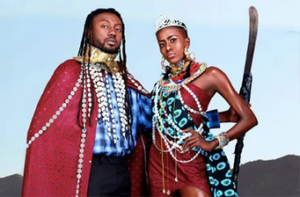
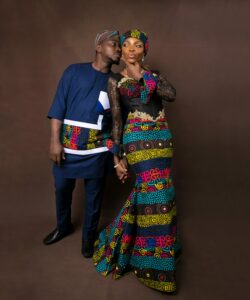
- Benin International Arts Festival (FInAB): This large festival, hosted in Cotonou, features various cultural and artistic expressions, including dedicated fashion shows. The second edition in April 2024 included two brand-new fashion shows to celebrate African creativity.
- International Festival of African Fashion and Modeling (FESMMA): This event has featured over twenty designers from various African countries, serving as a platform to showcase emerging talent and creativity in the African fashion industry.
- World Cotton Day Fashion Show: Organized by the International Trade Centre’s Ethical Fashion Initiative, this event highlights the use of cotton by African designers in a unique celebration held in Cotonou.
- FIMO228 (Festival International de la Mode Africaine): This is Togo’s premier fashion festival, bringing together African designers, promoting local textiles, and fostering cultural exchange through runway shows, music, and cultural experiences.
- Sustainable Fashion Initiatives: FIMO228 and related events increasingly focus on eco-responsible creation, upcycling, and giving new life to discarded materials, with designers like Atelier Lissanon leading the way.
- International Showcases: Togolese designers gain global visibility through events like the Triennale Milano, where exhibits like “Out of Fashion” showcase Lomé’s design ingenuity and sustainability efforts.
- Accra Fashion Week: A major event highlighting Ghanaian craftsmanship and contemporary fashion, with past editions featuring diverse styles from traditional Kente to streetwear.
- Rhythms On Da Runway: A long-running event celebrating African fashion, creativity, and culture, fostering emerging designers.
- Glitz Africa Fashion Week: Another significant platform in Accra showcasing African designers and trends.


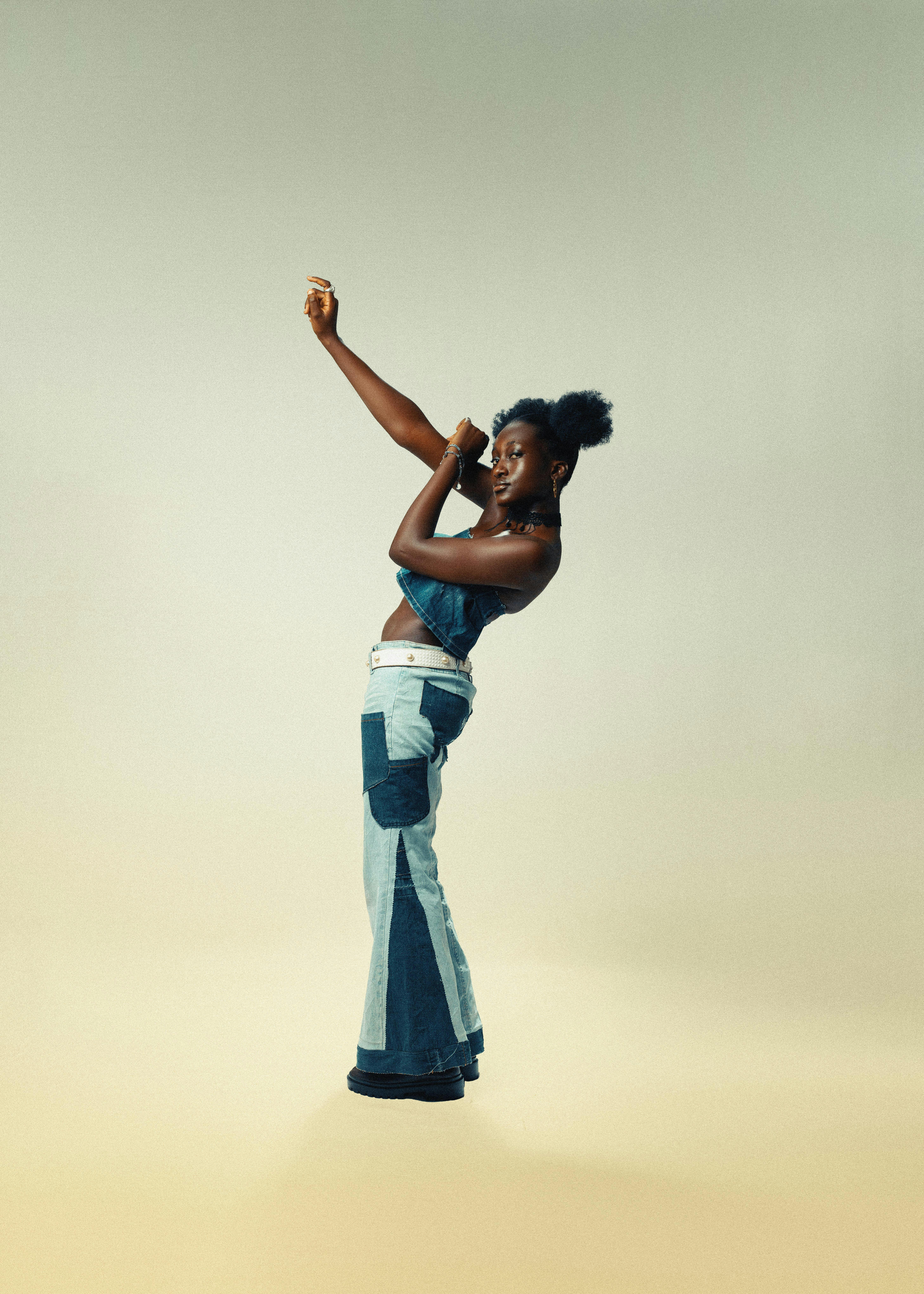
- Sustainable Fashion Shows: Brands like Vanvorsh (Vanessa Harrison) are pushing eco-conscious design, with events like “Landfills 2 Landmarks” focusing on circular fashion.
- Blacvolta Network Entertainment Week Ghana Fashion Party: An example of smaller, themed fashion events, as seen in Blacvolta Network.
- Unique Shows: Even the Ghana Prisons Service has hosted innovative shows, like the first-ever inmates’ runway fashion show, demonstrating creativity within the community.
- Fashion Week Abidjan: A major annual event repositioning Abidjan as a fashion hub, featuring new designers, established icons, and a focus on African craftsmanship and textiles, with themes often highlighting cultural heritage and innovation.
- Ivory Coast Fashion Expo: An international exhibition in April 2026 focusing on fashion, textiles, and shoes, attracting trade and the public.
- Afrik Fashion Week/Africash Show: Platforms for African designers to gain visibility, network, and share creations, promoting local talent and economic development.
- Cabo Verde Fashion Week (CVFW): The flagship event, focusing on African fashion, sustainability, innovation, and cultural exchange, featuring international and local designers, industry experts, and networking opportunities.
- Expo Kriola: An expo featuring women entrepreneurs from the Cape Verdean community, including fashion, art, and culture, celebrating local talent and tradition.
- Fashion Revolution Cape Verde: A movement promoting local culture, ideas, and sustainable, environmentally friendly fashion practices.
- Liberia Fashion Week (LFW): A significant annual event that builds towards a big showcase, focusing on timeless elegance and showcasing Liberian designers.
- Africa Fashion Week Monrovia (AFW): Features diverse African trends, from traditional to contemporary, emphasizing craftsmanship and bold colors in its shows.
- Ponawonnie Fashion Week: An initiative by the Liberia Fashion & Designers Association aiming to provide a national platform for local and international designers, seeking government support for growth.
- Too Easy Fest: A growing streetwear community event in Liberia, bringing together fashion enthusiasts for a vibrant experience, etc.
Apart from these major cities’ events, grassroots and unconventional events like community fashion festivals, streetwear gatherings and even prison-runway initiatives, highlight how fashion is embedded at every level of society. These platforms democratize creativity, challenge class barriers and reveal fashion as a tool for social inclusion.


Some of the structural barriers beneath the fashion glamour, entrepreneurship and creative energy, the fashion business in West Africa are Infrastructure Deficits – including unreliable electricity, weak transport networks, and limited industrial zones, raise production costs and limit scalability. Limited Access to Funding – keeps many designers trapped at survival level, unable to invest in machinery, staff, or export compliance. Informal Supply Chains – dominate the sector, making contracts, quality control, and intellectual property protection difficult. Trade Imbalances Persist – as West Africa exports raw materials like cotton but imports finished textiles and second-hand clothing. Skills Gaps – exist beyond design, particularly in production management, finance, logistics and merchandising. Classism and Unequal Access – meaning that talent alone does not guarantee opportunity; geography, networks and capital still matter. These challenges explain why many promising brands struggle to scale beyond visibility into sustainable profitability.


Despite its creativity, West Africa remains structurally disadvantaged in production because of its the manufacturing gap. The region exports raw cotton but imports finished textiles and garments, contributing to a persistent trade deficit. Power shortages, weak logistics, port inefficiencies and inconsistent trade policies make large-scale manufacturing difficult.
The African Continental Free Trade Area (AfCFTA) offers a potential turning point. If implemented effectively, it could enable regional value chains like, a crisscross of cotton grown in one country, woven in another, designed in another and sold across all locations, without punitive tariffs. Industry leaders argue this integration is essential in promoting fashion inspiration into fashion industry.
Access to funding and its formalization remains one of the sector’s biggest constraints. Most fashion businesses operate as small or informal enterprises, making them unattractive to traditional lenders. Intellectual property protection is weak, discouraging innovation and foreign investment. Meanwhile, classism and unequal access to networks make many talented creatives struggle to break through. Education is another pressure point. While creativity abounds, there is a shortage of structured training in fashion designing, pattern-making, production management, supply chain logistics and fashion business strategy. Without these skills, scaling remains elusive.
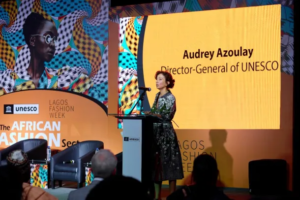
What the evidence says. According UNESCO’s 2023 report titled – The African Fashion Sector: Trends, Challenges & Opportunities for Growth, it provides the clearest data-driven case for fashion as an engine of development. The report estimates Africa’s fashion exports at $15.5 billion but argues earnings could triple with targeted investment. It highlights fashion’s role in job creation, particularly for women, youth; and calls for stronger local manufacturing to close-up a $7.6 billion textiles trade deficit. The findings echoed a broader message that fashion is cultural expression with an industrial policy in disguise.
West Africa’s fashion business stands at a critical juncture, but global demand, youth energy, cultural richness and digital tools align in its favor. Still, the opportunity is not infinite. Without investment in infrastructure, education, financing and inclusive policy frameworks, the region risks remaining a source of inspiration rather than ownership in the global fashion economy.
Fashion in the West African region has transcended aesthetics to jobs creation, identity promotion, gender inclusion, trade policy and cultural power. What happens next will determine whether West African fashion becomes a sustainable industry rooted in local prosperity, or another story of value created locally but captured elsewhere. The designs are ready. The talent is abundant. The question is whether systems/structures will rise to meet them.