
Gabon Strengthens Regional Energy Diplomacy as Oil and Gas Minister Heads to Libya Summit
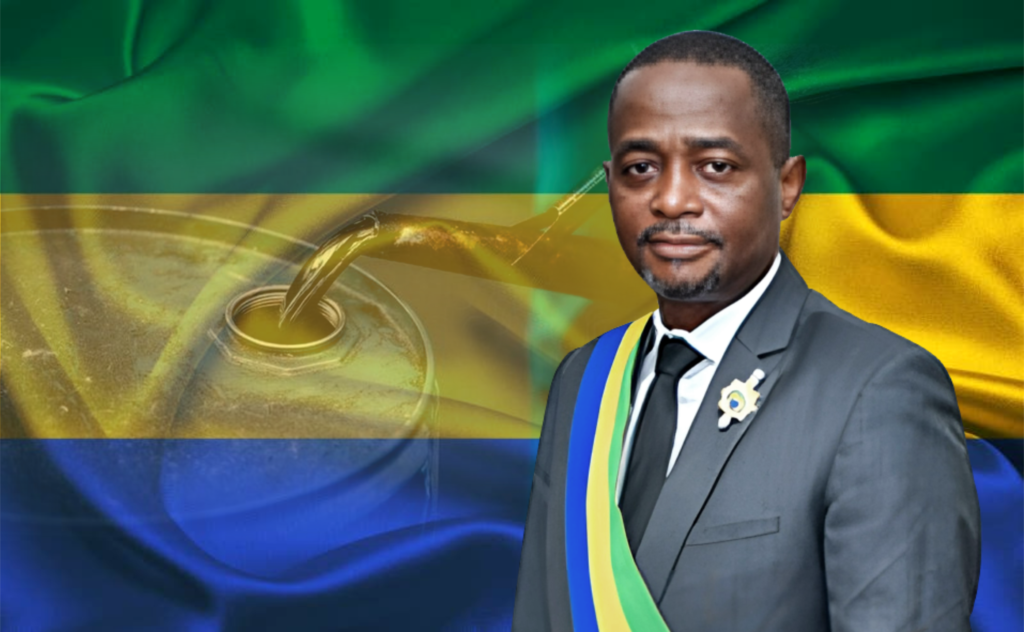
Gabon is positioning its energy reforms as an investment story and as a regional development agenda, as Oil and Gas Minister Sosthène Nguema Nguema prepares to participate in the Libya Energy & Economic Summit (LEES) 2026, scheduled for January 24-26 in Tripoli.
Libreville sees the summit as an opportunity that is more than a diplomatic appearance. It reflects Gabon’s broader effort to align energy policy with social stability, regional cooperation and long-term economic inclusion across Central and North Africa. Minister Nguema, who took office in May 2025, is expected to present Gabon’s evolving oil and gas strategy while engaging counterparts on shared challenges such as energy security, infrastructure gaps and local capacity building.

Since assuming office, Nguema has overseen a significant restructuring of Gabon’s hydrocarbons governance. The government is replacing the 2019 Hydrocarbons Code with distinct oil and gas laws. An approach that officials say is meant to improve transparency, reduce investor uncertainty and ensure fairer state participation. Behind the technical reforms lies a political objective of restoring confidence in public institutions, while ensuring that energy revenues translate into visible social benefits.
Gabon’s oil production currently averages between 200,000 and 228,000 barrels per day, supported by proven reserves of about two billion barrels. Yet, bureaucrats acknowledge that decades of production have not always translated into broad-based development. New offshore interest from companies such as bp and ExxonMobil, alongside the rapid expansion of the state-owned Gabon Oil Company, is now being framed as an opportunity to reset that trajectory, linking upstream growth to jobs, skills transfer and community investment.
Gas development is central to that shift. Projects such as the Cap Lopez LNG terminal and the Port-Gentil LNG facility, are being promoted as export ventures, and as foundations for domestic power generation/industrial growth. The government’s goal of achieving 85% rural electrification by the end of 2025 has given energy policy a more grassroots focus, particularly in remote communities where access to electricity shapes education, healthcare and small business activity.
At LEES 2026, Minister Nguema is expected to engage in discussions on regional gas infrastructure, hybrid energy systems and cooperation through platforms such as OPEC and African energy forums. Gabon and Libya share a history of multilateral engagement, and officials on both sides see renewed dialogue as a way to strengthen African-led solutions to energy financing and security.
Industry observers note that Gabon’s presence at the Tripoli summit also signals a diplomatic balancing act, which welcomes foreign investment while asserting national priorities.
As African energy markets face pressure from global energy transitions, Gabon is presenting itself as a case study in reform that seeks political credibility, social impact and regional partnership, alongside commercial returns.
In that sense, Minister Nguema’s participation is less about announcements and more about the narrative of positioning energy as a resource, a tool for governance, cooperation and everyday improvement in people’s lives.