
Guinea: Doumbouya the Junta Leader, Claims Landslide Election Victory in the midst of Profound Divisions
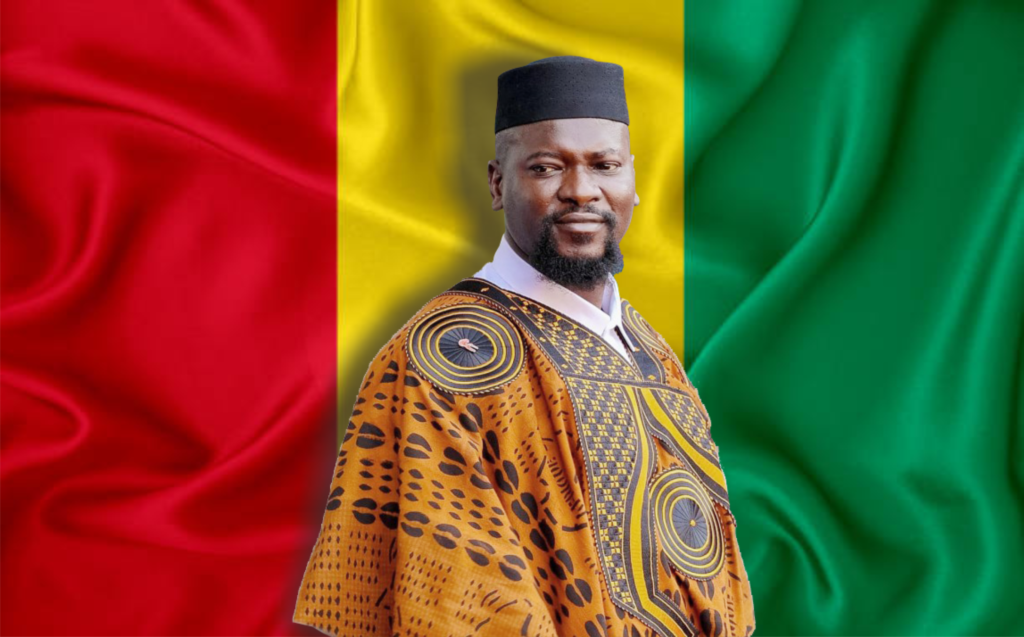
Guinea’s military leader, General Mamady Doumbouya, has claimed a decisive victory in the country’s presidential election, securing 86.7 per cent of the vote according to provisional results released by the national election commission. The outcome grants him a seven-year mandate and marks a pivotal and highly contested moment in Guinea’s political transition following the 2021 coup that brought him to power.
Doumbouya’s nearest rival, Abdoulaye Yero Baldé of the Democratic Front of Guinea, trailed far behind with 6.6 per cent, while Faya Lansana Millimono of the Liberal Bloc won just 2 per cent. The margin of victory has raised questions among opposition figures and civil society groups, many of whom argue that the poll was designed to formalise military rule rather than offer voters a genuine choice.
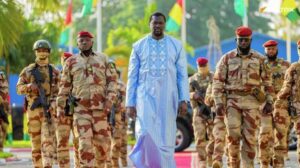
At the heart of the controversy is the exclusion of several major opposition parties from the race. Critics say this decision stripped the election of competitiveness and left many Guineans disengaged. “This was not an election, but a confirmation exercise” one civil society activist said, reflecting a broader sentiment among groups that called for a boycott.
Authorities reported voter turnout of more than 80 per cent, a figure disputed by the National Front for the Defence of the Constitution, which insists participation was far lower. Independent verification has been difficult. During the vote count, internet monitoring group NetBlocks reported restrictions on access to platforms such as Facebook, YouTube and TikTok, limiting citizens’ ability to share information and organise public debate as results emerged.
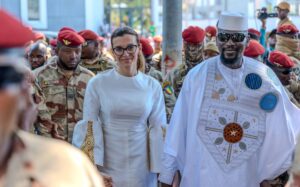
Several candidates alleged irregularities, including voter intimidation, ballot manipulation and the removal of election observers from polling stations. Millimono accused the authorities of overseeing “systematic fraudulent practices,” allegations the government has not publicly addressed. Guinea’s Supreme Court is expected to rule on any legal challenges within eight days.
To Doumbouya’s supporters, particularly among urban youth, the election represents continuity and stability after years of political turmoil. They point to infrastructure projects, anti-corruption rhetoric and the launch of the Simandou iron-ore project as signs of progress. In a country with the world’s largest bauxite reserves, many hope resource wealth will finally translate into jobs, better services and reduced inequality.
Yet the social reality remains stark. More than half of Guinea’s population lives in poverty, according to the World Bank, and basic services remain limited outside major cities. Grassroots organisations say political legitimacy must be measured not just by votes, but by tangible improvements in daily life, access to work, education, healthcare and freedom of expression.
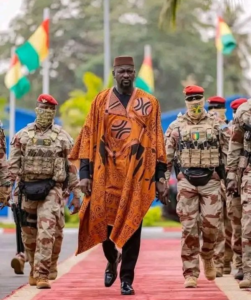
Regionally and internationally, the result places Guinea’s partners in a delicate position. Diplomatic observers face the challenge of engaging a government that promises stability and investment while addressing concerns over democratic backsliding and civic freedoms.
Doumbouya had previously pledged not to run for office and to oversee a return to civilian rule. A new constitution adopted in September cleared the legal path for his candidacy, a move critics view as a turning point that reshaped the transition in his favour. As Guinea enters this new chapter, the central question remains whether the promised political order will deliver meaningful social and economic gains for ordinary Guineans, or deepen the divisions laid bare by this election.