
Guinea Secures $26 Million Boost for Cross-Border Power Link with Mali
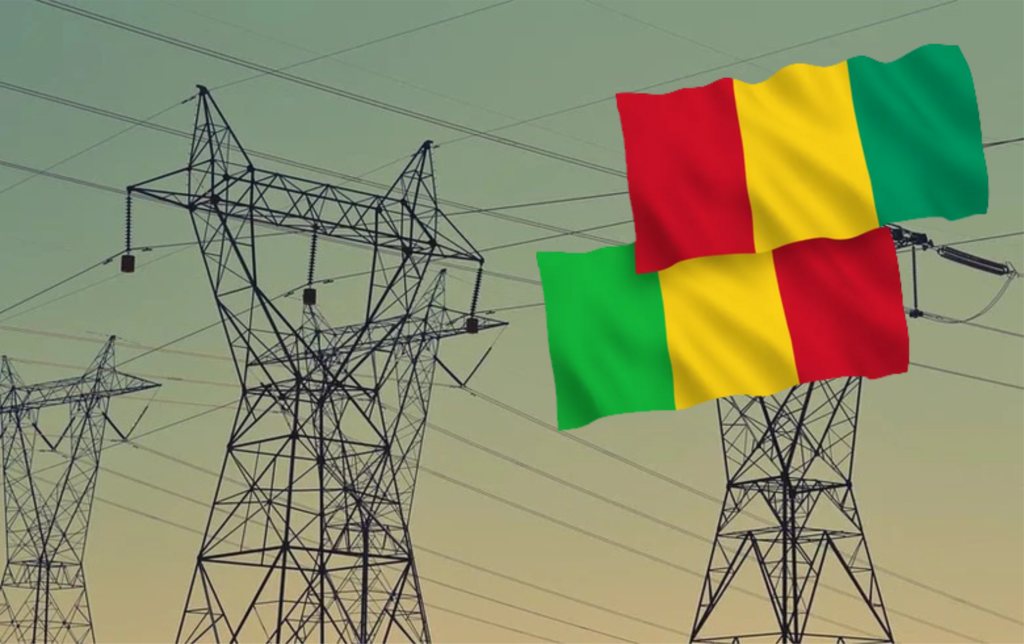
Guinea has secured an additional $25.79 million in financing from the African Development Fund (ADF) to push forward a landmark electricity interconnection with neighboring Mali, a project that sits at the crossroads of development, regional politics, and everyday human wellbeing. Approved by the ADF Board of Directors in Abidjan on 10 December 2025, the package combines a concessional loan of about $22 million with a $3.79 million grant, reinforcing international confidence in Guinea’s energy reforms and regional cooperation agenda.
At its core, the 225 kV Guinea-Mali interconnection project is about more than transmission lines and substations. It is designed to unlock access to affordable, reliable power for communities that have long lived with shortages, high costs, or no electricity at all. By linking national grids, the project strengthens energy security for both countries and supports ECOWAS’ broader vision of an integrated West African power market. An important political step toward shared infrastructure and collective resilience.
The new financing builds on an initial ADF commitment of roughly $41 million approved in December 2017, raising the total project cost in Guinea from $346 million to $372 million. The initiative is jointly supported by major development partners, including the European Union, the World Bank, the European Investment Bank, and the ECOWAS Bank for Investment and Development. Implementation is scheduled from January 2026 to December 2028, signaling a clear medium-term roadmap for delivery and accountability.
On the ground, the human impact is expected to be substantial. The additional funds will enable 37,500 new electricity connections, many of them in underserved areas, and finance medium-voltage feeders at high- and low-voltage substations to expand rural electrification. This is particularly significant in a country where overall electricity access stood at 52 percent in 2024, masking a deep divide between urban areas (89 percent) and rural communities (21 percent).
Away from physical infrastructure, the financing includes institutional support for Électricité de Guinée (EDG) and the Electricity and Water Regulatory Authority (AREE). By strengthening governance, regulation, and operational capacity, the project addresses long-standing weaknesses in the power sector and helps lay the foundation for sustainable service delivery.
As concerning households, reliable electricity means safer lighting, better communication and improved quality of life. While to schools/health centers, it enables extended hours, modern equipment, and more effective services. Artisanal workshops, small businesses, and women’s groups will gain the power needed to grow productive activities, generate income, and create jobs. In this way, the project links energy access directly to poverty reduction, social inclusion, and community cohesion.
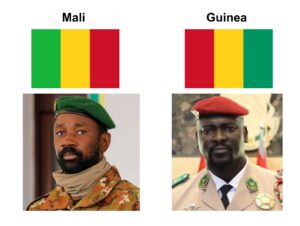
As Guinea advances this cross-border power link, the project stands as both a development tool and a political signal: that regional cooperation, backed by strong institutions and people-centered investment, can deliver tangible benefits to everyday lives.