

How Uganda’s Wealthiest People Are Shaping Economic Progress in Uganda, and the Debate around It
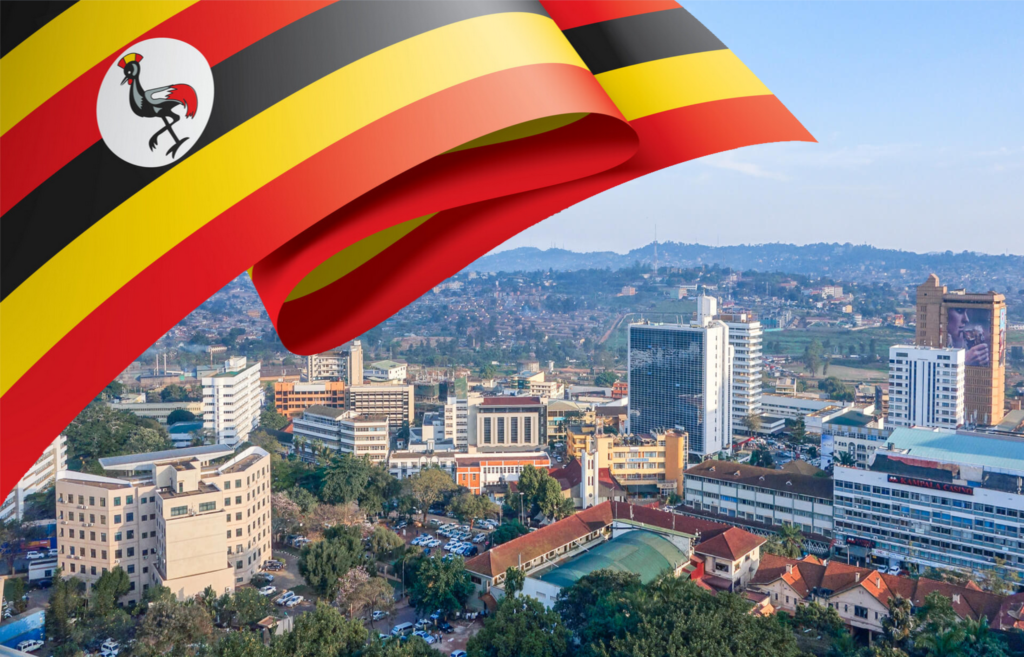
In Kampala, the silhouettes of new towers rising above Kampala’s crowded streets tell a story of ambition, capital and confidence. Behind many of these buildings are a small circle of Uganda’s wealthiest individuals and business magnates whose investments have reshaped sectors from banking and telecoms to steel manufacturing and hospitality. Their influence is visible in jobs created, taxes paid and infrastructures built. Nonetheless, these class of people’s profile often bounce-off sociocultural and sociopolitical debates across the country, because of how wealth provokes discussions in a country still grappling with disparity, youth unemployment and rapid urbanization.
While estimates of personal wealth fluctuate and are often privately held, business analysts broadly agree that figures such as Sudhir Ruparelia, Hamis Kiggundu, Drake Lubega, Charles Mbire and Sikander Lalani sit at the center of Uganda’s modern economic story. Together, they illustrate how private, local and diaspora capital has driven growth; and how that growth intersects with family enterprise, public policy and everyday livelihoods. The path of scaling, survival and the shaping of Kampala in the business-narrative of Sudhir Ruparelia.

At the top of most wealth rankings is Sudhir Ruparelia, founder and chairman of the Ruparelia Group, with an estimated net worth of about $1.6 billion according to international business trackers. His conglomerate spans banking, real estate, education, floriculture, media and hospitality, making him one of Uganda’s most diversified investors.
Ruparelia’s imprint on Kampala is unmistakable. His office blocks, hotels and residential developments have helped modernize the capital’s skyline and expanded the city’s commercial real estate market. Economists point to his role as a major taxpayer and employer, with thousands of Ugandans earning livelihoods directly or indirectly from his companies.


Yet his career also reflects the volatility of Uganda’s business environment. The 2016 closure of Crane Bank, once Uganda’s largest locally owned bank, tested both Ruparelia’s empire and regulatory institutions. Though the episode ended with settlements and restructuring, it reinforced a broader lesson for entrepreneurs and policymakers alike: scale brings scrutiny, and stability depends on strong governance.
The indigenous capital and national pride of Charles Mbire’s telecom legacy. Charles Mbire stands out as one of the wealthiest indigenous Ugandan businessmen, a distinction that carries cultural and political significance in a market long dominated by Asian-Ugandan and foreign capital. As chairman of MTN Uganda, Mbire has been central to the country’s telecom revolution, helping expand mobile connectivity, mobile money services and digital inclusion.

MTN’s growth has had ripple effects far beyond shareholder returns. Mobile money platforms underpin small businesses, support remittances to rural families, and provide a financial lifeline to millions excluded from traditional banking. Mbire’s broader investments in energy, pharmaceuticals and agribusiness reflect a strategy aligned with national development priorities—industrialization, power generation and food security.
In lieu of many young entrepreneurs, Mbire represents the possibility of local ownership in strategic sectors, though critics argue that telecom dominance also raises questions about competition, consumer pricing and regulatory oversight. Slinging to youthful wealth and urban renewal, a focus will swing to Hamis Kiggundu’s high-risk bets.

Hamis Kiggundu, widely known as “Ham,” is among Uganda’s youngest billionaires, having built his fortune through real estate development, construction and agro-processing under the Ham Group. Projects like the redevelopment of Nakivubo Stadium and high-end residential estates have positioned him as a symbol of youthful ambition and bold risk-taking.
Supporters credit Kiggundu with job creation and urban renewal, particularly in construction—a sector that absorbs large numbers of semi-skilled workers. Critics, however, question the focus on luxury developments in a city where affordable housing remains scarce. The debate highlights a broader tension in Uganda’s growth model: how to balance profitability with inclusive urban planning.

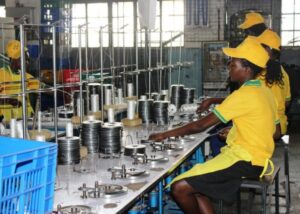
The business-chronicle of Drake Lubega and Kampala’s rental economy, features property powerhouses. Drake Lubega and fellow property magnates such as Mansoor Matovu Yanga and John Bosco Muwonge have quietly shaped Kampala’s commercial heart through shopping arcades, office buildings and mixed-use developments. Their properties anchor the city’s rental economy, hosting thousands of small traders, startups and service businesses.
To families migrating from rural areas, these arcades often provide a first foothold in the urban economy. At the same time, high rents and congestion have drawn criticism from traders’ associations, highlighting the need for municipal planning that protects both investors and small-scale entrepreneurs. And bidding forth the manufacturing muscle of Sikander Lalani, the roofings story will flood-in.
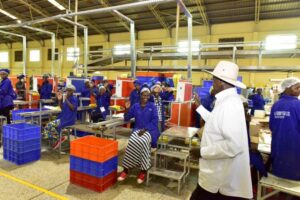
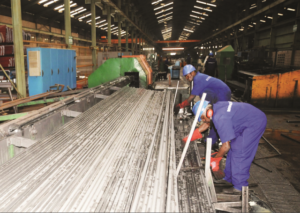
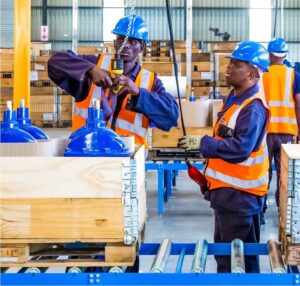
In Jinja and other industrial hubs, Sikander Lalani’s Roofings Group represents a different kind of wealth, rooted in manufacturing rather than property. As East Africa’s largest steel manufacturer, Roofings employs more than 3,000 people and supplies construction materials across the region.
Manufacturing advocates cite Roofings as proof that industrialization can succeed in Uganda with the right mix of capital, infrastructure and regional markets. Export revenues strengthen the balance of payments, while local sourcing reduces reliance on imports. Still, energy costs and competition from cheaper imports remain persistent challenges.
The chess of business-politics that drives philanthropy. Many of Uganda’s wealthy individuals maintain close, if often discreet, relationships with political institutions. Their investments depend on policy stability, infrastructure spending and regulatory clarity, while governments rely on their taxes and capital to drive growth. This interdependence fuels periodic debates about influence, transparency/accountability. Philanthropy adds another layer. From funding schools and scholarships to supporting health initiatives and community projects, several business leaders channel resources back into the society through foundations/informal giving. Critics argue that philanthropy should complement, not substitute for fair taxation and public service delivery. This is fanning a bigger picture of growth with multiple questions.
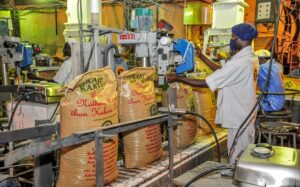
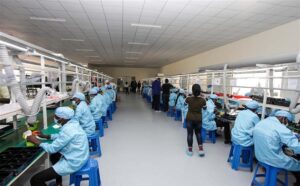
Above all, the Uganda’s wealthy elite undeniably contribute to economic progress through employment, investment, innovation, etc. Their enterprises often span generations, blending cultural values with modern corporate strategies. At the grassroots level, their impact is also felt in wages paid, shops rented, services accessed, social-supports received, etc. Yet the concentration of wealth also raises questions about disparity, and the direction of development. As Uganda’s population grows younger and more urban, pressure is mounting for growth that is not only fast, but fair.
The towers of Kampala may symbolize success, but the next chapter of Uganda’s economic story will be judged by how extremely that success reaches into households, communities; and supporting the aspirations of a new generation.