
IMF: Nigeria Emerges as One of the First Six Key Drivers of Global Growth in 2026
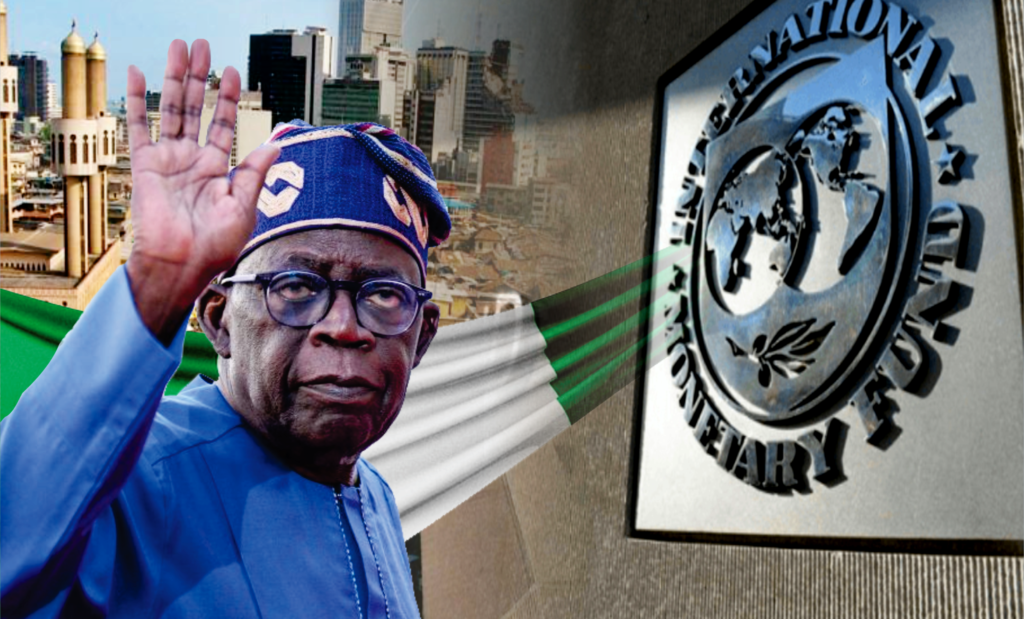
Nigeria is set to play an outsized role in the global economy in 2026, ranking sixth among the world’s largest contributors to real GDP growth, according to new data from the International Monetary Fund (IMF). The projection places Africa’s most populous nation at the centre of global economic momentum at a time when growth is increasingly being driven by emerging markets rather than traditional industrial powers.
IMF estimates show Nigeria contributing 1.5 percent to projected global real GDP growth in 2026, putting it ahead of several advanced and emerging economies, including Germany, Brazil and Indonesia. China is expected to remain the single largest contributor, accounting for 26.6 percent of global growth, followed by India at 17.0 percent and the United States at 9.9 percent. Nigeria’s sixth-place ranking situates it among a small group of countries shaping the direction of the world economy.
Nigeria’s position reflects profound demographic and social dynamics beyond the eye-catching IMF caption. With a rapidly growing population and one of the world’s largest youth cohorts, the country’s economic expansion carries direct implications for employment, consumer markets and innovation across Africa. To millions of Nigerians, sustained growth could translate into improved access to more jobs, education and basic services, provided economic gains are broadly shared and supported by effective public policy.
Economists note that Nigeria’s contribution highlights a gradual shift in global economic power toward emerging and developing economies. Alongside countries such as Indonesia, Turkey, Saudi Arabia and Vietnam, which are also listed among the top 10 contributors. Nigeria’s rise highlights the increasing influence of nations once seen as peripheral to global growth calculations. By contrast, Germany is projected to contribute just 0.9 percent, reflecting slower growth across parts of Europe.

Nigeria’s ranking strengthens its diplomatic leverage on the international stage politically. As a key growth driver, the country is likely to command greater attention in multilateral economic discussions, debt negotiations and climate finance debates. Analysts say this could offer Abuja an opportunity to push for reforms in global financial institutions that better reflect the realities of developing economies.
Regionally, the IMF data points to the continued dominance of the Asia-Pacific, expected to account for nearly half of total global economic growth in 2026. China and India alone are projected to drive 43.6 percent of worldwide expansion. Yet, Nigeria’s performance stands out as a signal that Africa’s largest economy remains a critical pillar among emerging markets, even amid currency pressures, inflation concerns and structural challenges at home.
The figures are both encouraging and cautionary, even for the grassroots communities. While macroeconomic growth can create space for investment in infrastructure, healthcare and education, civil society groups stress that inclusive policies will determine whether growth meaningfully improves living standards. They argue that the IMF projection should be read not as an endpoint but as an opening that places renewed responsibility on government/political leadership and policymakers to convert economic relevance into social progress.
As global growth patterns evolve, Nigeria’s sixth-place ranking affirms its continued relevance in shaping international economic trends, while also spotlighting the domestic choices that will define how that growth is felt on the ground.