
In Africa, is Influential Leadership Measured by Who Wields Power, Transforms Socioeconomic Landscape or Who People Trust?
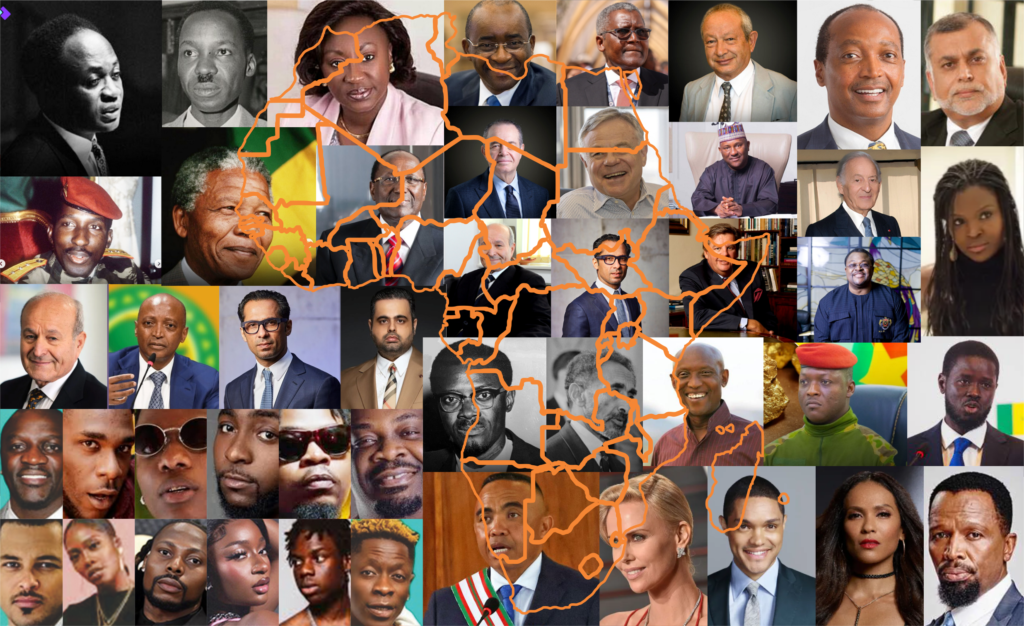
Across Africa and its global diaspora, influence is being redefined. It is no longer measured solely by who occupies a presidential palace or controls vast personal wealth. Instead, influence today is shaped by who can mobilize people, frame public debate, move markets, inspire culture and respond to the everyday pressures facing African families and communities.
Each year, reports from across the globe are published in honour of one person or the many others based on diverse rankings, achievements, supports, humanitarian services, inventions, immense business exploits/ventures and profiles scraped form different quotas of life’s hosted influences and those are that named ‘leaders’ in Africa. The names and methodologies differ, but the underlying paradigm shift is unmistakable. African leadership has become broader, more visible and more interconnected with global systems, much more than any time in recent history.
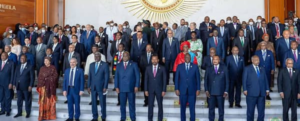
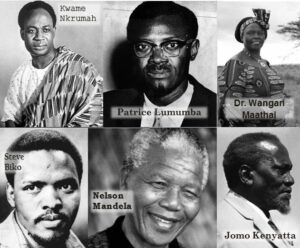
This evolution reflects a continent negotiating profound change in real time. Africa is the world’s youngest continent, under intense demographic pressure, accelerating digital adoption and rising political expectations. Africa is widely regarded as the world’s youngest continent because of its demographic reality that is reshaping politics, economies and everyday life across Africa. With a median age of about 19, and more than 60 percent of its population under 25, the continent is emerging as the global center of youth-driven change, bringing both extraordinary opportunities and mounting responsibilities. In bustling cities and rural communities alike, young Africans are powering innovation in technology, music, agriculture and civic life. From fintech startups solving payment challenges to grassroots climate movements led by students, youth energy is increasingly visible. Demographers project that by 2050, a large share of the world’s young people will live in Africa, positioning the continent as a critical engine of global growth and cultural influence. In another chapter, young voters and activists are demanding accountability, transparency and inclusion, reshaping electoral debates and civic spaces. In several African countries, youth-led movements have influenced policy discussions on governance, cost of living and public services, indicating a gradual shift in influence, leadership and political power dynamics.
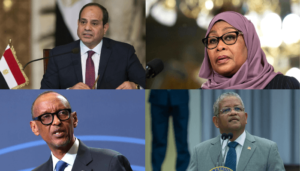
But this demographic advantage, which is often described as a youth dividend, is not automatic. Economists and policy analysts warn that without sustained investment in education, healthcare and decent jobs, the youth surge could expand disparity and social frustration. Youth unemployment remains stubbornly high in many countries, while access to quality schooling and digital infrastructure varies sharply between urban and rural areas. And most of these indexes combined, define the factors and elements that connote influential leadership in Africa, as of today. In this context, influence is increasingly contested and earned in public view.
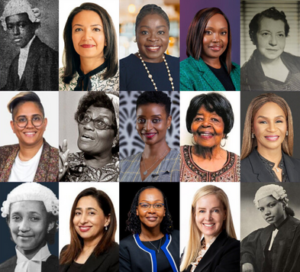
Political power is under a new spotlight in this perspective, as most political leaders still dominate great record of influence rankings. But then again, their authority now comes with closer scrutiny from citizens who expect results, not rhetoric. For instance, the Senegal’s President, Bassirou Diomaye Faye exemplifies this shift. His ascent was not simply an electoral event. It was the outcome of sustained youth activism, grassroots mobilization and widespread frustration with entrenched political elites.
To most families across Senegal and the wider West African region, such leadership changes are deeply drastic towards nation building, socioeconomic progress and inclusivity. Decisions made in Dakar ripple into households through job creation, food prices, education budgets and the cost of basic services. Faye’s influence lies as much in what he represents. A generational break and a promise of accountability, which is embedded in the policies his government enacts.
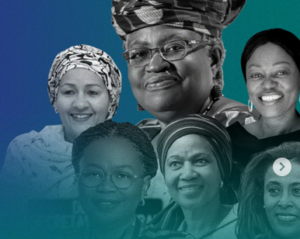
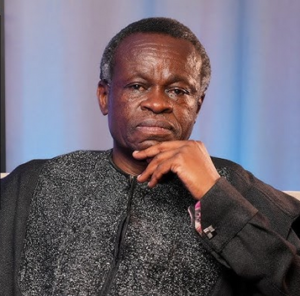
Across the continent, similar dynamics are playing out. Citizens are increasingly vocal, digitally connected and willing to challenge authority. As a result, leadership/political influence today depends not only on constitutional power, but on the ability to communicate, listen and maintain public trust. Noting that the definers of ‘influential leaders profile’ is determined by mass audience/or citizens perception.
Diaspora influence and global power in respect to Africa, sees that African influence no longer stops at the continent’s borders. People amongst the Africans in diaspora are reshaping politics, business and culture in major global capitals, adding new layers to what African Influential Leadership looks like.
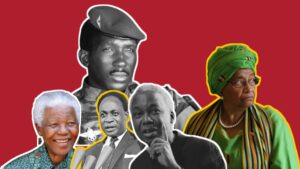
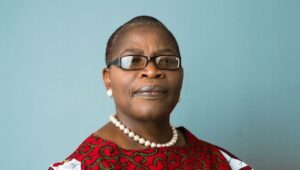
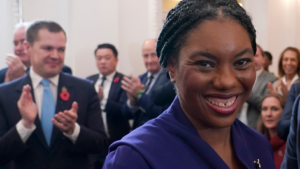
In the United Kingdom, figures such as Kemi Badenoch demonstrate how African heritage intersects with Western political power. Her prominence highlights the growing political weight of African-descended communities in Europe and North America. To some, this visibility signals progress and representation within global decision-making structures. While for others, it raises difficult questions about identity, migration, loyalty and whose interests are ultimately being served. These debates matter because they shape policy outcomes on trade, immigration, development finance and international relations, areas with direct consequences to African economies and societies. Diaspora frontrunners, whether in politics, finance or media, increasingly act as bridges between Africa and the world, wielding influence that is both symbolic and practical, as Influential Leaders.
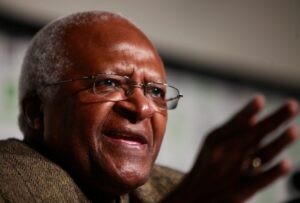



Further than politics, in the arenas of business, technology and the economics of influence, African business leaders and tech-innovators are redefining economic power. Founders of fintech companies, telecommunications firms and renewable energy startups are shaping how millions of Africans earn, save and spend money. Their platforms reach extensively into informal/informal economies, affecting traders, farmers, small family-run businesses, etc. that form the backbone of many African societies.
Influence in this sphere is measured by valuation figures and impact. Mobile banking has transformed financial inclusion. Digital marketplaces have expanded access to regional and global trade. At the community level, these changes determine whether young people can start businesses, whether families can manage risk and whether rural areas remain connected to national economies. And most of these dimensional societal evolution are driving by young mind and large-hearted individuals from the scratch, without the so-called political-influential-leaders mattering-spaces in government positions.
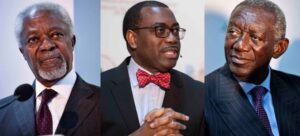
As African economies integrate more tightly with global markets, business leaders increasingly sit alongside politicians on lists of influential figures, reflecting the reality that economic decisions can be as consequential as legislative ones.
In culture, media and soft power; Africa’s global leadership-influence is also cultural. Musicians, filmmakers, writers, fashion designers, creatives-captains and athletes have become ambassadors of African narratives, reshaping how the continent is seen and how Africans see themselves, all by their own evolving strength, tiredness to ascend to greater heights of glory and expense from hard-earned resources, which in turn, still balls-down to seeing these diverse dynamic leaders as the national export, without the nations’ contribution into their endeavours. Through music, film, fashion, arts, sport, digital media, etc., they project stories of doggedness, resilience, creativity and complexity to global audiences. This cultural leadership-influence, feeds back into social and economic power. Successful creatives build industries, employ thousands and influence everything from fashion trends to tourism. For most young Africans, these figures often feel more accessible and inspiring than traditional political leaders, offering alternative models of success and leadership.

Media figures and journalists also play a crucial role, holding power to account and amplifying grassroots voices. In many countries, their influence lies in shaping national conversations and defending civic space under pressure.
From the view of grassroots power and the future of leadership, perhaps the most important shift in African leadership-influence is happening at the grassroots. Community organisers, activists and local leaders are often absent from glossy rankings/profile, and they are shaping outcomes on the ground. They influence how policies are received, resisted or adapted in daily life. From climate activists organizing movement in vulnerable coastal communities, to women leading informal groups, these actors demonstrate that leadership-influence does not always flow from the top down. Instead, it is negotiated daily between institutions and citizens.

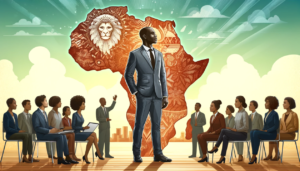
In a new measurable evaluation of leadership-influence, the emerging picture of Africa’s most Influential Leaders is a complex and dynamic one. Power today that is seen to be dispersed across politics, business, culture and civil society, is disruptively shaped by digital connectivity, demographic change and a growing insistence on accountability.
As Africa’s leaders on the continent and in the diaspora continue to shape global narratives, the question is no longer simply who holds power, but how that power is exercised, who it serves and whether it improves human lives. In that sense, the future of African leadership-influence will be judged not only by rankings, but by shared experience and daily life.