
In Tunisia, Access to Justice is Strained by Costs and Doubts Despite Reform Efforts
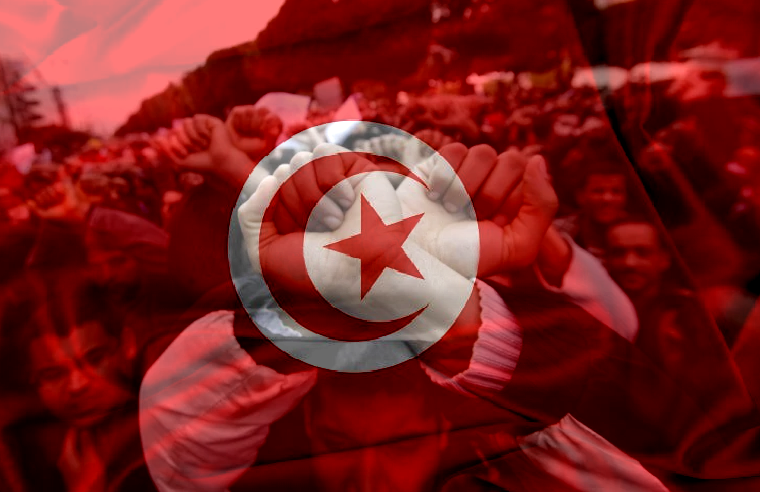
In the working-class neighborhoods of Tunis and the rural towns of the interior, justice can feel less like a right and more like a luxury. While many Tunisians say they still believe in the courts, new findings suggest that cost, delays and perceptions of unequal treatment continue to place justice out of reach for large segments of the population.
Nearly two-thirds of citizens report feeling at least somewhat confident that ordinary people can obtain justice in court. Still, that optimism fades when confronted with practical realities. Fewer than half people believe they could afford to take a case to court, secure the necessary legal support, or obtain a timely resolution. As for many families navigating disputes over land, employment, or personal/social status, the financial and emotional toll can be prohibitive. Only 47% of respondents say they could afford legal representation and just 9% are aware of legal aid services in their communities. In the absence of accessible legal support, citizens often turn elsewhere. 58% say they would go to the police if faced with a legal problem, while only 11% would approach a local court directly. It is a loud indication of where trust and familiarity lie at the grassroots level. There is reform, but it’s on paper, because there is still strain in practice.
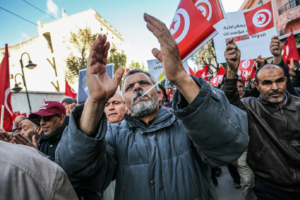
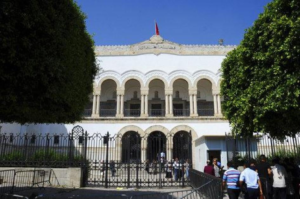
Access to justice is widely recognized as a cornerstone of democratic governance. After the 2011 revolution, Tunisia adopted a progressive Constitution that enshrined judicial independence and the protection of rights. International partners, including the European Union and the Council of Europe through the AP-JUST programme, as well as initiatives backed by the United Nations Democracy Fund, invested heavily in modernizing court administration and strengthening legal services. But, despite these reforms, Tunisia ranks 85th out of 143 countries on the 2025 World Justice Project Rule of Law Index. A middle position that reflects persistent structural weaknesses.
Since July 2021, President Kais Saied’s consolidation of executive authority has raised fresh concerns about the dissolution of the Higher Judicial Council, dismissal of 57 judges and reported targeting of lawyers, representing political opponents have drawn criticism from human rights organizations. Critics argue that these moves risk eroding judicial independence and public confidence in the system’s impartiality; overlaying perceptions of inequality, intertwined with corruption.

Public attitudes reveal a complex picture. A slim majority say they trust the courts slightly or a lot. 32% believe most or all judges are corrupt; and nearly half of the percentage of people say judicial decisions are frequently influenced by powerful interests rather than the law. Two-thirds of respondents think people are often treated unequally under the law, and 76% believe officials who break the law regularly go unpunished.
These perceptions have tangible social implications. When citizens doubt equal treatment, informal dispute resolution, personal networks may replace formal legal channels. In marginalized communities, especially in Tunisia’s interior regions, such dynamics can excavate feelings of exclusion and weaken faith in state institutions. At the same time, 85% of Tunisians support the death penalty for the most serious crimes, which is a striking indicator of public demand for accountability and security in a context, where many feel the system fails to hold the powerful to account.
Most individuals who are navigating divorce proceedings, employment disputes, or property claims, justice delayed or unaffordable, can mean lost livelihoods, prolonged uncertainty and social stigma. Lawyers working with vulnerable communities’ report of transportation costs, court fees and lengthy procedures, often discourage citizens from pursuing legitimate claims. Legal aid initiatives exist, but awareness remains critically low. Without stronger outreach, simplified procedures and safeguards for judicial independence reforms, risk remaining confined to policy documents rather than being activated.
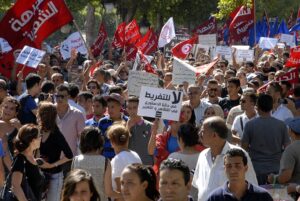
Tunisia’s post-revolution trajectory was once hailed as a democratic success story in the region. Today, the justice sector stands in-between nowhere. Restoring public confidence will likely require more than judicial independence policy reforms-infrastructure upgrades, alongside public enlightenment. It will demand transparent protections against political interference, expanded and well-publicized legal aid services; and consistent enforcement of accountability and justice, especially for officials.
On the other hand, the question is no longer whether justice exists in principle for many Tunisians, but whether it is accessible, affordable and applied equally. As one legal activist in Tunis observed that “justice must not only be independent, it must be reachable”. Until then, the promise of equal justice under the law remains, for too many an aspiration rather than a reality.