
Insurgency is Fast Reshaping Nigeria’s Agricultural Map
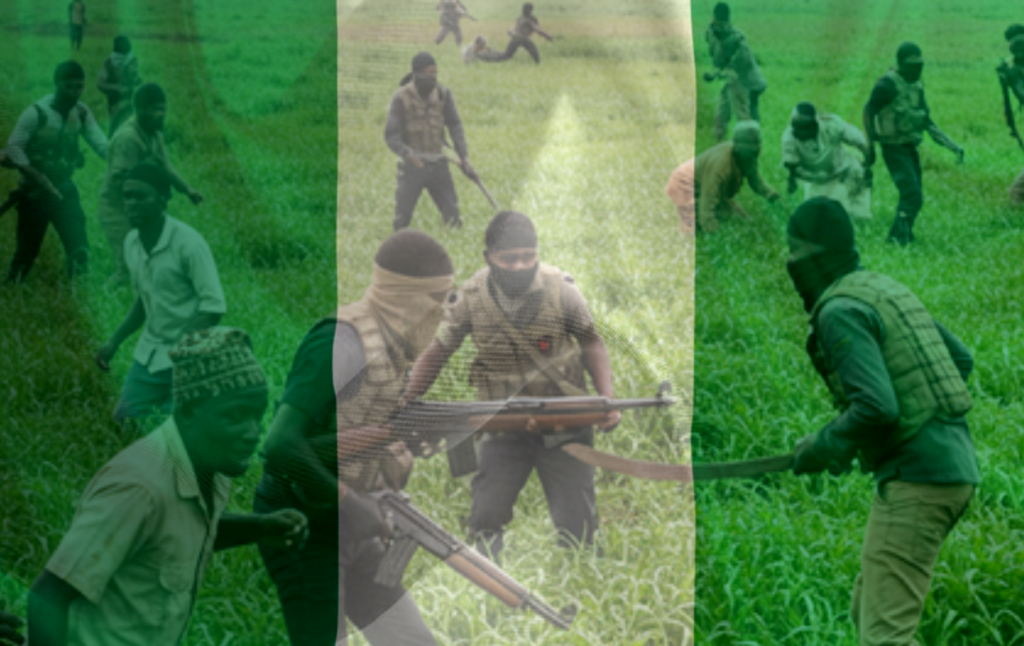
In Nigeria’s rural heartlands, where farming once followed the rhythm of seasons and tradition, a different force is now shaping what ends up on the nation’s plates, terrorism, banditry, insurgency, kidnapping, religious genocide, etc.
Agriculture remains the backbone of livelihoods across much of Africa, sustaining over 70% of rural households. In Nigeria, it is more than an economic activity, it is an identity, stability and survival. But as terrorism, religious genocide, ethnic conflicts and farmer–herder clashes intensify, the country’s food system is quietly being rewritten off.
Recent research by agricultural economists tracking household data from 2012 to 2025, reveals a stark reality that insecurity is not only displacing farmers, it is reshaping their decisions, what they plant, how much land they cultivate and whether they invest into farming at all. Peasant farming under threat.
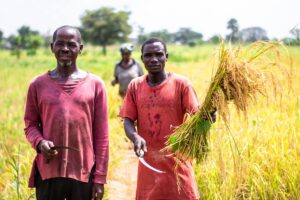

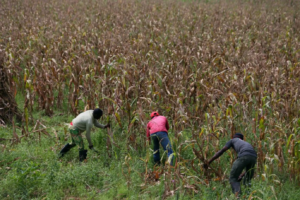
Across conflict-affected regions, farmers are retreating. Fields that was once planted with staples such as yam, cassava, maize and groundnut are being abandoned or downsized. Labour-intensive crops like sweet potato are disappearing fastest, as fear makes long growing cycles too risky. Instead of expanding production, many farmers now limit themselves to smaller, safer plots closer to home. The result is a steady contraction in cultivated land, and inevitably less food.
This is not just about destroyed crops or stolen livestock. Terrorism attacks is altering behaviour. Faced with uncertainty, farmers are cutting back on fertiliser, hired labour and other inputs. Investment into farming that is critical for productivity, is becoming a gamble few can afford. Powering a wasting hidden-cost to livelihoods.
With respect to most or rural households, the implications are surmountingly instantaneous and severe. Reduced harvests mean declining incomes, higher vulnerability to poverty, less produce for the general markets, food shortages and less opportunities to invest in the next planting season. Farming, which was once a pathway to stability, is becoming a high-risk survival strategy. This situation defies the sentiment of gender-farmers profiling, as women and men experience these pressures in similar-difference. They both face rising production costs, often due to reliance on scarce or expensive labour during periods of insecurity. And in the long run, this erodes the economic foundation of entire communities.
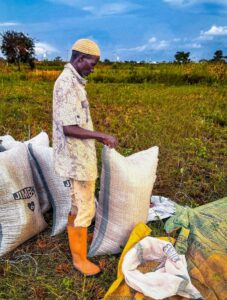
This is a crisis of food security and ineptitude in leadership; because further than the farming crisis, the ripple effects spiral across the nation. As staple crop production declines, food availability tightens, pushing prices upward and expanding food insecurity, especially for urban poor populations who rely on markets. So far, the crisis also exposes an indepth issue of political negligence and limited awareness of how conflict intersects with agriculture. Thus, government programmes such as agro-subsidies, agro-support-services, rural development schemes, etc., struggle to function because of insecure areas, where access is limited and risks are high. The result is a gap between policy and reality. While agriculture is widely recognised as vital, responses often fail to address the existing experience of farmers operating under threat.
Conflict is also fraying the social fabric of rural life. Farming communities, once bound by cooperation and shared systems, are increasingly fragmented. Disputes over land, migration pressures and insecurity are reshaping relationships, weakening traditional support networks that once helped households cope with hardship.

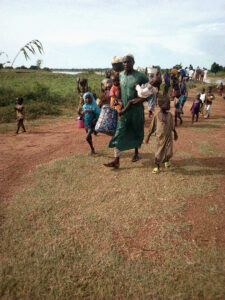
As farming declines, so too does the sense of stability it provides, fueling cycles of displacement, unemployment and in some cases, further conflict.
The findings point to an urgent need for conflict-sensitive agricultural policies. Security in rural areas is no longer separate from food production, it is central to it. Experts argue for stronger local peace-building mechanisms, better monitoring of agricultural zones and targeted support that reflects the realities of farming in insecure environments. This includes promoting low-risk, fast-growing crops, improving access to extension advice and investing in infrastructure that keeps markets functioning even during instability. Early-warning systems for both conflict and market disruptions could also help farmers make informed decisions, reducing losses and uncertainty.


What is happening in Nigeria’s fields and rural communities by the active presence of terrorism, banditry, insurgency, kidnapping, religious genocide, etc., are more than a rural issue, or a return of insurgents-repentance powered by a false grassroots amnesty schemes; it is a warning signal of a collapsing enculturation. When farmers change what they grow because of fear, the consequences extend far beyond the village.
Food security, livelihoods and social stability are becoming increasingly intertwined with the country’s ability to manage conflict terrorism, banditry, insurgency, kidnapping, religious genocide, etc. Without addressing this link, the cost will continue to be counted in lost harvests, food insecurity and a fractured economy.