
International Finance Corporation’s $6.9 Billion Investment in Ethiopia, Spurs Reform Progress, Raises Grassroots Expectations
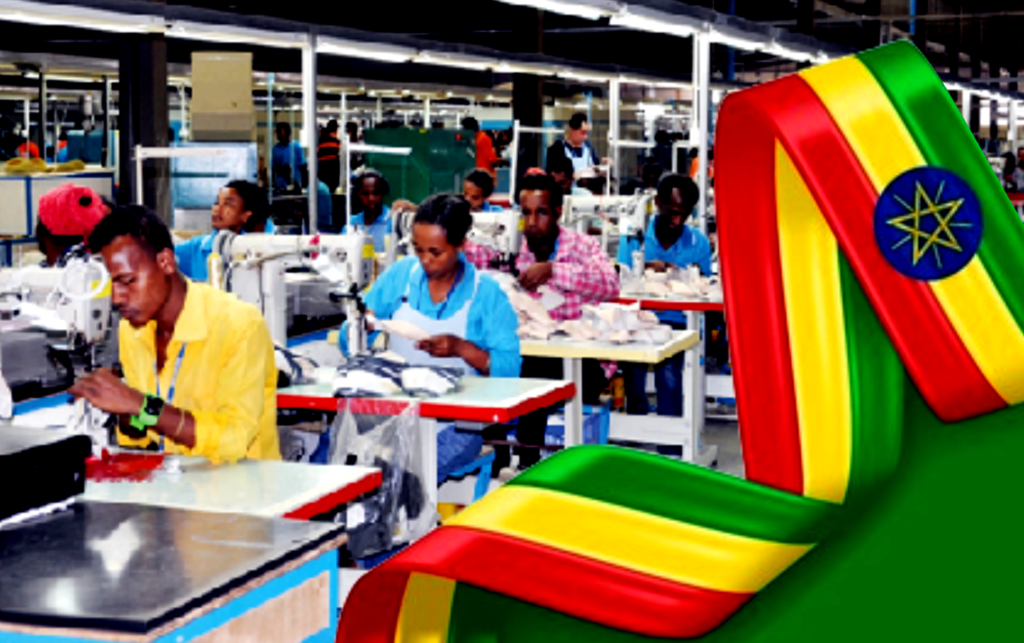
A $6.9 billion investment push by the International Finance Corporation over five years is beginning to ripple beyond boardrooms in Ethiopia, touching small businesses, reshaping policy debates, and testing how far economic reforms can translate into everyday opportunity.
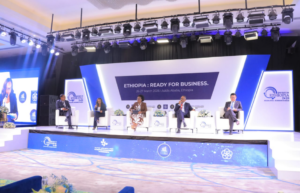
Announced at the Invest Ethiopia 2026 forum, the scale of IFC financing places Ethiopia among its most engaged frontier markets in Africa. But behind the headline figure lies a more layered story: one of cautious liberalisation, institutional negotiation, and growing expectations from citizens and entrepreneurs alike.
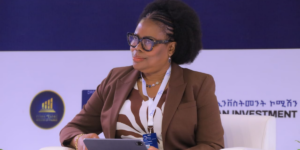
Speaking at the forum, IFC country manager Madalo Minofu framed the investments as a response to a shifting political tone. “There is a clear signal from authorities that private sector participation is no longer peripheral, it is central,” she said, pointing to increased policy openness and regulatory adjustments.
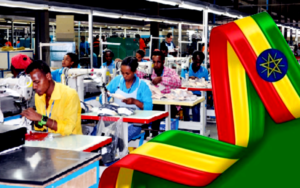
At the street level, the implications are beginning to take shape. Expanded financing for small and medium-sized enterprises (SMEs) is expected to ease one of Ethiopia’s most persistent constraints: access to credit. In a bank-dominated system with limited competition, many entrepreneurs have historically struggled to scale beyond micro-enterprise.
IFC-backed initiatives aim to change that by working through local financial institutions to widen lending channels. For small manufacturers, logistics operators, and tech startups, this could mean access to working capital, new equipment, and ultimately, job creation. The emphasis on digital and telecom infrastructure is also expected to carry social dividends. Improved connectivity can lower barriers for rural businesses, expand access to digital services, and support youth employment in a country where demographics are both an asset and a pressure point.
The investment surge, aligns with Ethiopia’s broader reform agenda, supported by institutions such as the International Monetary Fund. Liberalisation efforts in telecom, logistics and financial services mark a notable shift from decades of state-led economic management. One of the clearest symbols of this transition is the entry of Safaricom Ethiopia, following the opening of the telecom sector. The move is widely seen by investors as proof that reforms are not only promised but implemented.
With regards to government authorities, these developments carry diplomatic weight. Greater engagement with global capital markets and multilateral institutions strengthens Ethiopia’s economic positioning, even as it navigates domestic and regional challenges.
Pointing to capital markets and local ownership; apart from foreign investment, the IFC is also pushing for the development of a domestic capital market, which is seen as critical for long-term financial independence. Discussions led by Ethiopis Tefera with public and private financial institutions, reflect an effort to mobilise local currency financing. Such reforms could allow Ethiopian businesses to raise funds domestically rather than relying heavily on external debt or foreign currency loans, reducing vulnerability to exchange rate pressures. The business community holds optimism, with caveats.
Within Ethiopia’s private sector, sentiment is cautiously optimistic. Jemal Ahmed of MIDROC Investment Group credited recent currency reforms with accelerating profitability, noting that the group achieved annual profit targets in just seven months. But, on-the-ground realities reveal lingering friction. Investors point to bureaucratic hurdles, particularly with visa delays that continue to complicate operations. As for sectors like hospitality and logistics, where mobility is essential, such bottlenecks can offset reform gains. Nonetheless, the reform story is still unfolding.
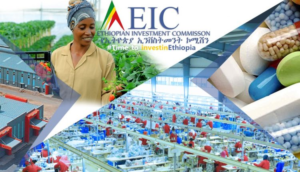
While the IFC’s multi-billion-dollar commitment underscores growing international confidence, its long-term success will likely be judged by outcomes beyond macroeconomic indicators, like job creation, business survival rates and the inclusiveness of growth. To most Ethiopians, the question is no longer whether reforms are happening, but if they will impact critical sections as factories, farms, informal markets, etc., to reshape livelihoods.
As Ethiopia strengthens its engagement with global capital, the balance between investor confidence, political reform and grassroots impact, remains delicate and closely watched.