
THISDAY/ARISE Group Launched ‘LekeeLekee’ Social Media Platform, Positioning Africa’s Digital Sovereignty in the Global Social Media Space
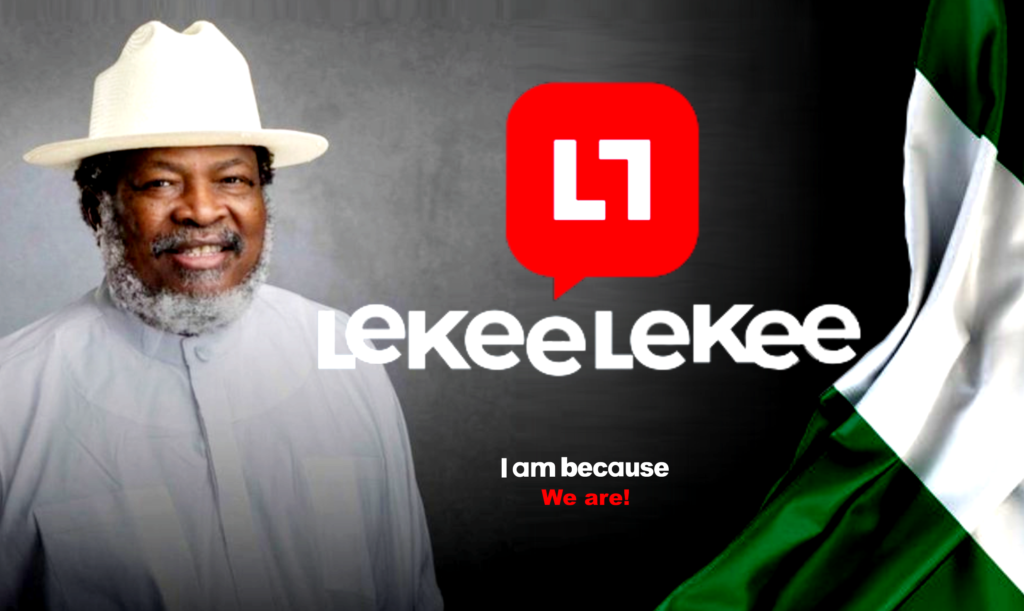
In early 2026, Nigeria’s THISDAY/ARISE Media Group unveiled LekeeLekee, an African-focused social media platform that positions itself as both a product and a statement, enabling Africa to own a greater control over how its stories are told, shared and monetized online; and how her people connect seamlessly to the world.
Built by LekeeLekee Technologies Limited, the platform arrives amid growing unease about the dominance of foreign-owned social networks, which are largely Western and Chinese, in shaping African digital-sociocultural life. Executives behind the project describe LekeeLekee as a response to that ‘chokehold’, promising a homegrown alternative that centers African users, creators and communities in digital-creative hub.
At its core, LekeeLekee offers familiar tools like text posts, photos, videos, voice notes, location tags and encrypted messaging on iOS, Android and the web. But its pitch goes beyond features. The company frames itself as a social media company app, designed to encourage more meaningful interaction and a smarter, fairer and more inclusive digital public square. Users are promised greater control over their data, content and digital identities. A pledge that resonates in a region where concerns about surveillance, misinformation and data extraction have grown sharper.

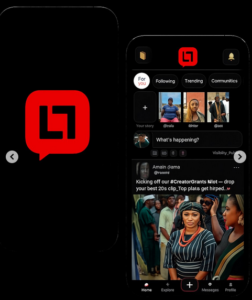
The human positive-impacts are immediate for young creators and small/big businesses; in this regard, LekeeLekee’s emphasis on monetization of creative dispense and social community, could open new pathways to income without the opaque algorithms that often favor global influencers. While for families and local groups, encrypted messaging and community-focused design, aim to recreate trusted network connections online, and digital-spaces where conversations feel closer to home and less performative, rest with to the fingers of the user.
Culturally, the platform’s very name carries symbolism as it could be linked to a Yoruba word. In Yoruba, “leke leke” can refer to the cattle egret (Bubulcus ibis – a small, stocky white heron commonly found in fields, pastures and near wetlands, often riding on or following cattle to eat disturbed insects, spiders, and small vertebrates). This white bird is often seen alongside livestock. It is presumably a bird-image that evokes coexistence, adaptability and watchfulness. Supporters see this as an apt metaphor for a platform seeking to move with Africa’s diverse communities, rather than hover above them.
Futuristically, there are business and political tunes to this app too. If LekeeLekee gains traction, it could help keep advertising revenue, creator earnings and data value within the African economies. It also aligns with broader policy conversations across the continent about digital sovereignty, local innovation, reducing reliance on foreign tech infrastructure. To most media houses and support media outfits, the venture would represent a strategic pivot from content distribution to platform ownership.

Still, the looming challenges of competing with entrenched global platforms, will test LekeeLekee’s ability to scale, moderate content responsibly and maintain trust. Nonetheless, Africans should patronize her own, to give room for more technovations as this to evolve and indeed uphold her digital sovereignty. It is also expected that civil society groups should watch closely too, to see how promises of user-control and digital freedom translate into practice.
At the meantime, LekeeLekee’s launch indicate a growing confidence in Africa’s capacity to build its own digital infrastructure, shaped by local realities, languages and aspirations. Whether its digital social-service ambition will be sustainable, become a widely adopted social media platform, is left to Africa transnational usage-support and patronage based on the mammoth population of the African continent; and which will help to define the next chapter of Africa’s online-public life and social transaction.