
Libya’s Energy Rebirth: $20B Investment, Gas Growth and Strategic Partnerships
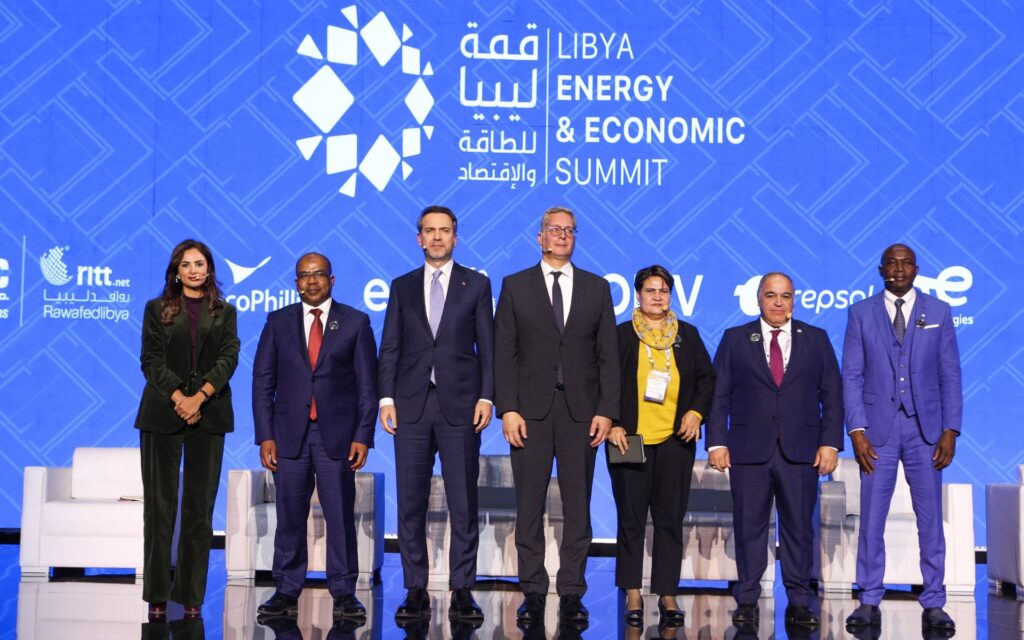
Libya is boosting oil and gas production, attracting $20 billion in investment and forging regional ties, positioning itself as a key supplier for Europe and a leader in African energy development.
TRIPOLI, Libya – Libya’s energy sector is rebounding, attracting global investors and signaling a renewed commitment to production expansion, gas monetization and long-term partnerships. At the Libya Energy & Economic Summit (LEES) 2026 in Tripoli on Saturday, officials outlined a clear roadmap for growth, reform and regional collaboration.
$20 Billion Investment Pipeline
Libya’s oil production reached an average of 1.375 million barrels per day (bpd) in 2025 – the highest in years – and the government aims to reach 2 million bpd by 2030, backed by a $20 billion investment program.
“We witnessed the highest production rate in years, averaging 1.375 million bpd, which is a strong testimony to our recovery and stability,” said Minister of Oil and Gas Dr. Khalifa Abdulsadek. “We have launched a program with 15 companies, and we expect production to rise over the next five years with a $20 billion investment.”
Contract terms have been extended to 25 years, offering predictable, long-term investment conditions and aligning with global practices that support multi-decade upstream development.
Gas as a Growth Engine
Libya is prioritizing gas development to meet domestic power needs and support exports to Europe via the Greenstream pipeline. Gas production is expected to reach 700–750 million standard cubic feet per day in 2026.
“One of Libya’s greatest opportunities lies in its geographical location near one of the largest and most affluent markets in the world,” said Dr. Philip Mshelbila, Secretary General of the Gas Exporting Countries Forum. “With 750 million standard cubic feet per day expected this year, Libya can support domestic power, industry and export through the Greenstream pipeline to Europe.”
Regional and Global Partnerships
Libya is deepening cooperation with Egypt to strengthen North African energy security and resilience, leveraging Egypt’s liquefaction and export capacity alongside Libya’s growing gas output.
The Africa Energy Bank, led by the African Petroleum Producers Organization (APPO) and Afreximbank and ratified by Ghana and Nigeria, aims to bridge financing gaps for capital-intensive energy infrastructure projects, including initiatives like the proposed Libya–Algeria Power Interconnector.
“What applies to Libya and its neighboring countries also applies to any African oil and gas-producing nation – cooperation on transport, joint energy projects and infrastructure development is essential,” said Farid Ghezali, Secretary General, APPO, adding, “The partnership between Libya and Egypt is a strategic move that strengthens regional energy resilience and benefits global markets.”
Libya is also drawing lessons from regional peers such as Namibia, which has built investor confidence through transparent fiscal policies, predictable royalties and strong local content programs, and from Turkey, which is partnering with Libya to expand upstream production.
“Namibia is attractive for investors due to its clear regulatory framework, stable political environment and consistent engagement with the investment community,” said Namibia’s Deputy Minister of Industries, Mines and Energy, Gaudentia Kröhne. “Policies such as a 5% royalty and 35% production allocation to the state provide predictability and help ensure local benefits and skills transfer.”
“Turkey is engaged in Libya pursuing joint efforts and ambitious targets, as part of our broader strategy to become a billion-barrel oil and gas producer,” said Turkey’s Minister of Energy and Natural Resources, Alparslan Bayraktar. “In today’s geopolitical environment, diversification is crucial, and we are navigating these challenges through sustainable energy strategies and strong partnerships.”
African Energy Perspective
From a continental viewpoint, Libya’s recovery reinforces the broader African energy agenda: turning resource potential into projects, investment and industrial growth.
“Libya’s resurgence is a critical turning point for African energy, and it demonstrates how resource potential can be transformed into real projects, jobs, and industrial growth when stability and investment frameworks align. The momentum now must be sustained through partnership, transparency and deliverable-driven development,” said NJ Ayuk, Executive Chairman of the African Energy Chamber.
Libya Energy & Economic Summit (LEES) 2026 Roundtables Highlight Renewed Global Investor Appetite for Libya
Libya is on the precipice of accelerated growth, backed by rising investor confidence, new licensing opportunities and strengthening global ties.
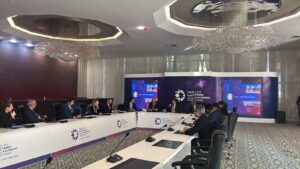
TRIPOLI, Libya, is entering a new phase of energy development, defined by renewed investor confidence, stronger international partnerships and a clear focus on moving projects from ambition to execution. This momentum was on full display at the 2026 edition of the Libya Energy & Economic Summit (LEES), where high-level engagements with the United States, France, Italy and the United Kingdom underscored growing global appetite to invest in and partner with Libya across upstream, gas and power priorities. Through a series of targeted roundtable discussions, LEES 2026 delivered a clear message to international investors: Libya is open for business.
U.S.–Libya: Strategic Priority and Expanding Commercial Footprint: Libya was described as a “high priority” for the current U.S. administration during the U.S.–Libya Roundtable, with officials pointing to rising American investment, a growing presence of U.S. energy companies and the strategic importance of Libya’s upstream revival. Convened by the American Chamber of Commerce, the session highlighted opportunities linked to Libya’s ongoing licensing round and the National Oil Corporation’s multi-billion-dollar development program, with U.S. operators and service providers signaling continued commitment to production growth, technology deployment and workforce development.
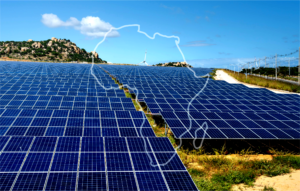
France–Libya: Project Momentum and Institutional Cooperation: The France–Libya Roundtable, sponsored by Business France, highlighted both project-level progress and deeper institutional alignment. TotalEnergies confirmed it is targeting end-2026 final investment decisions for the North Gialo 6J oil development and the 500 MW Sadada solar project, reinforcing France’s dual focus on hydrocarbons and renewables in Libya. In parallel, the Libyan Council for Oil, Gas and Renewable Energy and Business France signed a memorandum of understanding to strengthen collaboration between French and Libyan companies, with a potential joint venture under consideration to support energy investment and project development.
Italy–Libya: From Hydrocarbons to Power Generation: Long-standing Italy-Libya energy ties were reinforced during the Italy-Libya Roundtable, where participants called for expanded cooperation across oil, gas and power generation. Italy was positioned as a natural partner for Libya’s next phase of growth, combining operating experience, engineering capacity and geographic proximity. Discussions highlighted ongoing gas developments, flaring-reduction initiatives and growing interest in electricity generation and infrastructure rehabilitation.
U.K.–Libya: Second Licensing Round Anchors Upstream Strategy: The U.K.–Libya Roundtable, convened by the Libya British Business Council, centered on Libya’s plans to launch a second upstream licensing round, positioning licensing continuity as a cornerstone of the country’s strategy to sustain production and attract long-term investment. Libya’s Minister of Oil and Gas, Dr. Khalifa Abdulsadek, said strong global interest in the current licensing round – launched in 2025, with results expected shortly – has reinforced confidence in maintaining a regular, structured approach to acreage offerings. He also highlighted parallel initiatives targeting marginal fields, unconventional resources and underexplored acreage.