
Lithium Windfall Worth Over $1.5 trillion is found in a Volcano Basin in Oregon, USA
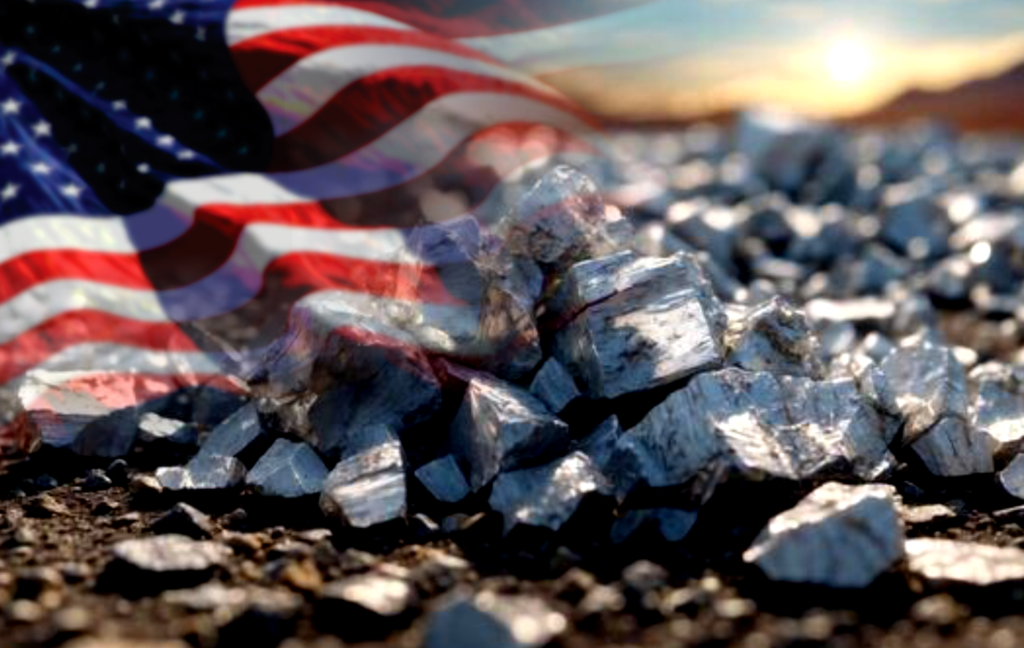
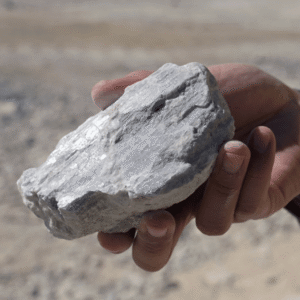
A recently identified lithium deposit in the McDermitt Caldera along the Oregon-Nevada border has drawn global attention, with estimates valuing the trove at more than $1.5 trillion. Geologists suggest that ancient volcanic sediments in the area could contain between 20 and 40 million metric tons of lithium, potentially one of the largest deposits ever documented in the United States.
The find comes at a pivotal moment as the country seeks to expand domestic battery production for electric vehicles and renewable energy storage. Yet, as excitement builds over the economic potential, local residents, environmental advocates, and Indigenous communities are voicing concerns about the broader social and ecological consequences of large-scale extraction.
To the residents of Malheur County, one of Oregon’s poorest regions, the lithium boom represents a possible lifeline. “We need to do this the Oregon way, with full accountability and shared benefits” said Greg Smith, director of economic development in the county. Proponents argue that lithium mining could create hundreds of jobs, attract investment, and position rural communities as critical players in the U.S. clean energy transition.
At the same time, the discovery raises questions about who benefits from the resource. Analysts note that while lithium could power a green economy, the influx of corporate interests might not automatically translate into long-term prosperity for local communities. Workforce development, infrastructure support, and environmental safeguards are critical if the region is to truly benefit from this opportunity.
The deposit also carries political weight. Domestic lithium production could reduce U.S. reliance on foreign suppliers, particularly in South America and China, addressing concerns over supply chain security for a rapidly electrifying economy. Politicians and industry leaders have touted the McDermitt find as a strategic asset in national efforts to accelerate clean energy initiatives.
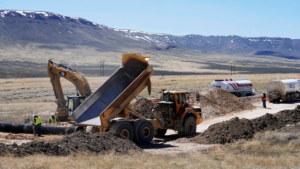
Yet the political process has already sparked debate. The Bureau of Land Management (BLM) offered a brief public comment period for a proposal by HiTech Minerals Inc., drawing criticism from environmental groups who say such short windows undermine meaningful community input. The situation reflects a broader national tension: how to balance urgent industrial goals with public participation, environmental stewardship, and Indigenous rights.
The caldera is not just a geological treasure, but an ecological and cultural one. The high desert supports sensitive wildlife, including pronghorn antelope and sage-grouse, and several Indigenous tribes regard parts of the land as sacred. Local leaders and tribal representatives have raised concerns that mining could threaten ceremonial sites, cultural practices, and fragile ecosystems.
Extraction methods for lithium-rich claystone, which may involve acid leaching and extensive water use, differ from the brine operations common in South America. While industry officials stress that modern techniques can mitigate environmental risks, skeptics warn that past drilling has shown how quickly groundwater and local habitats can be affected.
Environmental advocates urge careful assessment and long-term planning. The Oregon Chapter of the Sierra Club supports clean energy but emphasizes that “drilling must not come at the expense of fragile habitats.” Comparisons have been drawn to lithium disputes in Nevada, where local communities successfully resisted projects they believed endangered water resources.
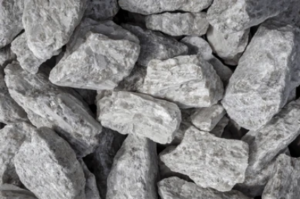
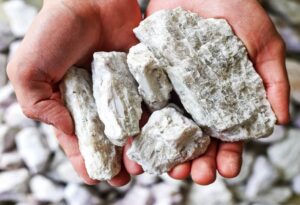
The McDermitt Caldera embodies the tension between economic opportunity and environmental stewardship, between technological progress and cultural preservation. Experts point out that lithium could secure the US a competitive edge in battery supply and lower geopolitical risks, yet it may also impose irreversible impacts on an ecosystem millions of years in the making. As for most local communities, the debate is deeply personal. Will the lithium boom translate into sustainable prosperity, or will it leave behind environmental degradation and social disruption? The answer will depend on careful oversight, genuine community engagement, and political commitment to shared benefits.
As HiTech Minerals and other potential operators advance their projects, the spotlight remains on Oregon’s high desert. Some scientists suggest that alternative battery technologies and recycling innovations could reduce the need for aggressive extraction. Others argue that domestic development is essential to meet surging global demand and secure economic advantages.
In the meantime, residents, Indigenous tribes, and advocacy groups continue to demand transparency and accountability. The McDermitt Caldera offers a rare opportunity: to craft a model of resource development that balances industrial ambition, environmental protection and social equity, a blueprint that could resonate far beyond Oregon.