
Madagascar Military Leader Dissolves Cabinet in Surprise Political Shake-Up
Madagascar’s military ruler, Michael Randrianirina, has abruptly dissolved the country’s government, dismissing the prime minister and the entire cabinet in a move that has intensified debate over the island nation’s fragile political transition.
In a brief statement released by his spokesperson, authorities confirmed that “the government has ceased its functions”, adding that a new prime minister will soon be appointed in accordance with constitutional provisions. No official explanation was provided for the sweeping decision. The unexpected shake-up comes months after Randrianirina seized power in October, following weeks of youth-led protests that forced the resignation of former president Andry Rajoelina. Demonstrations erupted across the Indian Ocean Island amid widespread frustration over prolonged electricity outages, water shortages, and rising living costs—issues that had increasingly strained public trust in the government.
As protests grew, the military ultimately sided with demonstrators, accelerating the collapse of the previous administration and elevating Randrianirina to the center of Madagascar’s political transition. The military leader pledged at the time to steer the country toward democratic elections within two years. But, Monday’s decision to dismiss the entire cabinet, shows a potentially pivotal moment in the country’s evolving power structure, as youth movements are pressing for stronger reforms.
Grassroots movements that played a major role in the protests, often identifying themselves as the Gen Z and Gen Y movements, have continued to pressure the transitional authorities to expand participation in political decision-making. Many young activists say their protests were not only about infrastructure failures but also about systemic governance problems, including corruption, exclusion from political processes, and a lack of economic opportunity.

Leaders of the youth movements recently issued a 72-hour ultimatum demanding Randrianirina’s resignation, citing dissatisfaction with the pace of reforms and what they see as limited representation of civic voices in the transition government. Their criticism reflects broader concerns among civil society groups that the political overhaul has not yet translated into meaningful institutional change. “The movement was never just about removing one government” one youth organiser told local media. “It was about building a more accountable system where young people and communities have a real voice”. There is a regional pressure for a democratic roadmap.
Madagascar’s political transition has also drawn close scrutiny from regional partners. The Southern African Development Community (SADC) has urged the country’s military authorities to outline a clear roadmap toward democratic governance. In December, the regional bloc called on Madagascar’s leaders to present a detailed transition plan, including preparations for fresh elections, by the end of February. Regional diplomats have warned that prolonged uncertainty could undermine economic recovery and international confidence in the island’s institutions.
Following the military takeover, businessman Herintsalama Rajaonarivelo was appointed prime minister in an effort to create a bridge between the military leadership and civilian governance. But the choice quickly proved contentious. Youth leaders criticised the appointment as opaque and lacking consultation with protest groups that had mobilised tens of thousands of demonstrators. They also raised concerns about Rajaonarivelo’s alleged ties to figures within the previous administration. To many activists, the appointment symbolised what they described as a continuation of elite political networks rather than the structural reforms they had hoped the uprising would bring.
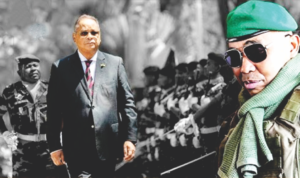
Randrianirina’s decision to dissolve the cabinet has left permanent secretaries temporarily managing the day-to-day operations of government ministries while a new administration is formed. Political analysts say the move could reflect an attempt by the military leadership to recalibrate the transitional government amid mounting public pressure. Others suggest it may signal deeper political negotiations behind the scenes as authorities try to balance military control, civilian participation, and regional expectations.
The stakes remain high at the moment, for the ordinary Malagasy citizens. The protests that reshaped the country’s leadership, were driven largely by everyday struggles, from unreliable electricity to limited economic opportunities. Many residents now hope the political reset will translate into practical improvements in governance and living conditions.
Whether the latest government overhaul will move the country closer to that goal, or extend the uncertainty surrounding its transition, remains to be seen.