
Maleh, South Africa’s Creative-Delectable Afro Soul Vanguard
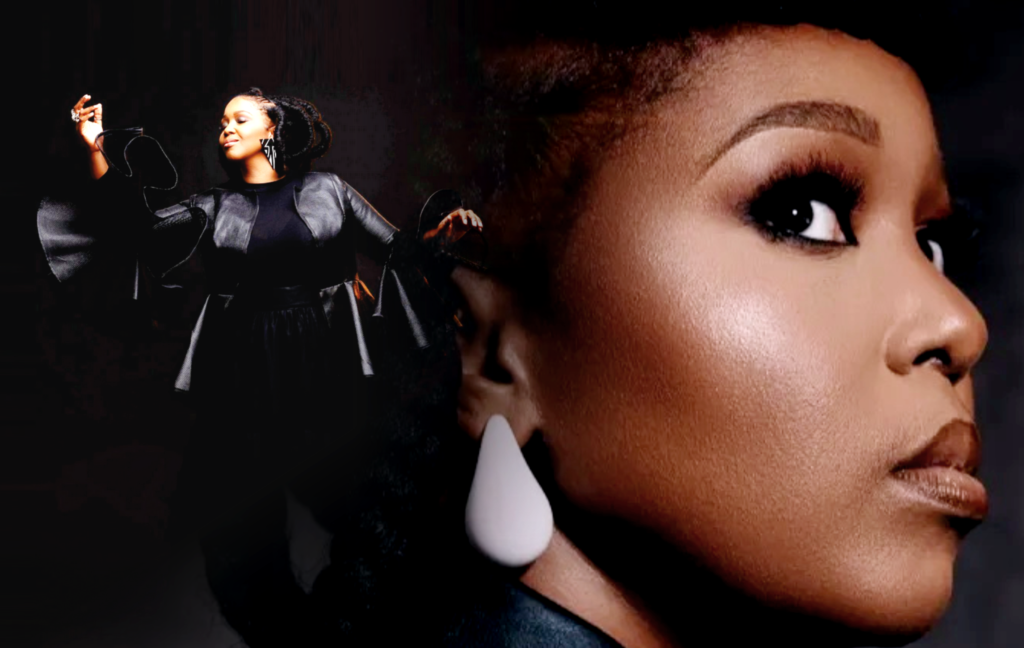
In the bustling heart of Johannesburg’s music scene, one voice continues to rise above the din – Maleh’s; born as Malehlokoa Mary Hlalele in 1984 in Maseru, Lesotho. Her journey from the mountain kingdom to South Africa’s stages is not just a story of talent but of resilience, grassroots influence, and a careful balancing of cultural heritage with modern sound.
Early Life and Music as a Family Legacy: Raised in a household steeped in music, her father was a member of the local band Blue Diamonds; Maleh’s formative years were colored by melodies and rhythms. Performing at venues like the Maseru Sun Hotel, she learned early that music could be both a communal experience and a personal lifeline. She began crafting her own songs as a teenager, blending traditional Sotho storytelling with inspiration drawn from South African icons.

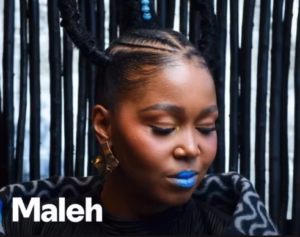
Her move to Johannesburg to study cinematography hinted at a broader artistic vision: music was only one lens through which she would explore human emotion and social narratives. Working behind the scenes in festivals and event production, including the renowned Standard Bank Joy of Jazz, Maleh witnessed firsthand, the power of music to connect communities. A perspective that would later shape her solo career.
Career between bands and solo breakthrough: Maleh’s professional debut came in 2003 with the Afro pop group Khaya, whose hit “Vulamasango” captured the public’s attention and earned the band a Metro FM Music Award. Yet, even amidst early success, she stepped back to refine her craft, returning to the industry as a solo artist with 2011’s Step Child.

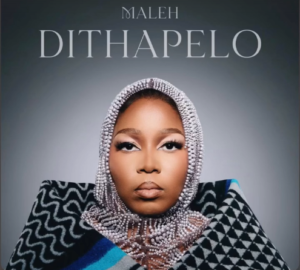
The album was a critical moment, winning the South African Music Award for Best African Adult Album and establishing her signature Afro soul and Afro fusion style, featuring sounds where Sotho traditional folk, Afro beat, jazz and Western pop seamlessly intersect. Hits like “Falling” (2012) and You Make My Heart Go (2014) reaffirmed her ability to craft music that resonates with both urban audiences and grassroots communities alike.
After a brief hiatus, Maleh reemerged in 2022 with Lerato Laka, an independently released project under Psalms Productions. Garnering a Basadi in Music Award, the album highlighted not just her vocal and compositional prowess but also her autonomy in navigating an industry often skewed toward commercial pressures.
Zest towards women’s empowerment: Maleh’s public persona is deliberately understated. She shares little of her private life, focusing instead on spirituality, personal growth, and advocacy for women’s empowerment. In interviews, she reflects on her Christian faith as a guiding force, shaping both her music and her approach to life. Critics and fans alike have noted that this blend of introspection and cultural fidelity lends her music an emotional depth often missing in mainstream Afro pop.
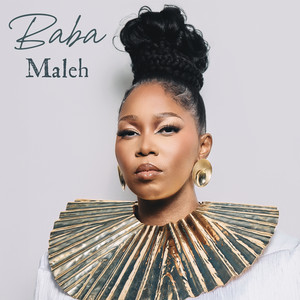

The grounded artiste’s worth and influence: With an estimated net worth of $800,000 to $1.2 million, Maleh exemplifies the mid-tier African artist, respected, influential and independent, yet largely outside the global commercial spotlight. Her earnings, drawn from award-winning albums, festival bookings, live performances, and her independent label, illustrate the economic realities of artists who succeed through craft, reputation, and community engagement rather than mass-market commercialization. Discography highlights: Step Child (2011) – South African Music Award – Best African Adult Album; You Make My Heart Go (2014) – South African Music Award – Best African Adult Album; and Lerato Laka (2022) – Basadi in Music Award. Selected singles include “Falling” (2012), “Ke Tlo Fihla” (2022), and “Makoti” (2022), all reflecting a careful fusion of local traditions with contemporary global sounds.
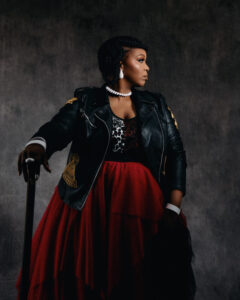
Voice of a Generation; Maleh’s story is more than a biography; it is a chronicle of artistic perseverance, cultural stewardship, and social consciousness. For fans across Southern Africa, her music remains both a mirror and a messenger; rooted in the mountains of Maseru but echoing across cities, festivals, and hearts that crave authenticity and soulful storytelling.