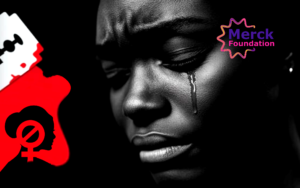

Merck Foundation, African First Ladies Strengthen Grassroots Push for Girls’ Education to End FGM in MONROVIA, Liberia
In communities where tradition often outweighs choice, a growing coalition of African First Ladies and the Merck Foundation is working to change the balance, one classroom and one household conversation at a time.
At the center of this effort is Dr. Rasha Kelej, who has renewed calls for sustained investment in girls’ education as a frontline strategy to end female genital mutilation (FGM), child marriage, and the stigma surrounding infertility. “Education equips girls not only with knowledge, but with voice and choice. It gives them the confidence to question harmful norms and the tools to build independent futures”, she said in Monrovia.
While public campaigns against FGM have existed for decades, advocates say the real battle is being fought in rural and underserved communities where the practice remains deeply embedded in social identity. Through initiatives like More Than a Mother and Educating Linda, the Foundation and its First Lady partners are pairing advocacy with practical support like scholarships, school supplies and culturally relevant media content designed to resonate locally.
In villages across countries such as Liberia, Kenya and Nigeria, educators and community health workers report a gradual but noticeable shift: more parents are choosing to keep their daughters in school, delaying early marriages and questioning long-held beliefs about FGM. A teacher in rural Liberia, who has worked with scholarship beneficiaries, described education as “a protective shield”. Girls who stay in school, she noted, are less likely to undergo FGM and more likely to advocate for themselves and their peers.
The Foundation is also leveraging storytelling to challenge stigma. Its pan-African television program, Our Africa, blends drama, testimonials, and expert insights to address sensitive issues often left unspoken. Broadcast across multiple African countries and online platforms, the program has become a conversation starter in homes and schools alike. Community screenings that sometimes held in open village squares, are followed by discussions led by local leaders and youth advocates. This media approach is complemented by annual awards recognizing journalists, filmmakers, musicians, and designers whose work confronts FGM and promotes girls’ education, helping to normalize public dialogue around previously taboo topics.
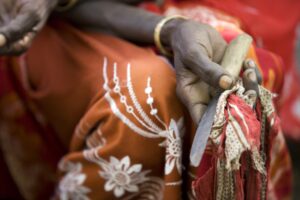
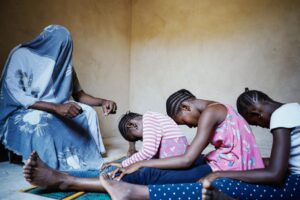
According to the World Health Organization, more than 230 million girls and women worldwide have undergone FGM, with Africa accounting for the majority. Behind the statistics are lifelong physical/psychological consequences, complications in childbirth, chronic pain and trauma. Advocates claim that education directly disrupts this cycle. Girls who complete secondary education, are significantly less likely to be subjected to FGM or early marriage. They are also more likely to access healthcare, participate in decision-making and contribute economically to their communities; creating a ripple effect that benefits families and future generations.
Through the Educating Linda program, over 1200 scholarships have been awarded to high-performing, underprivileged girls across 19 African countries. The support represents more than financial aid, it is a pathway out of vulnerability for many recipients. One scholarship recipient in West Africa, now studying science, said the program “changed how my family sees my future”. Once considered for early marriage, she is now the first in her family on track to complete secondary school.
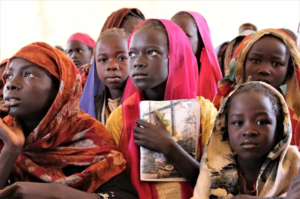
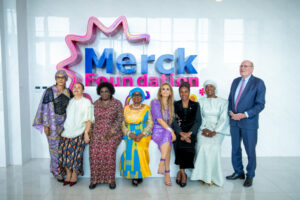
In some regions, despite the progress thus far, many challenges still persist. FGM persists as a rite of passage, tied to marriageability and social acceptance. Breaking this cycle requires educating girls, engaging parents, elders and traditional leaders. That is where the involvement of African First Ladies has proven influential. Their advocacy, which is often rooted in national campaigns and local outreach, helps bridge policy and community realities, lending both visibility and legitimacy to the cause. Observers say this multi-layered approach of combining education, media, policy advocacy and grassroots engagement, is key to achieving lasting change.
On the other hand, the goal extends beyond ending FGM for Merck Foundation and its partners. It is about redefining the role of girls and women in the society, ensuring they are protected from harm and empowered to lead. “Ending FGM is not just about stopping a practice. It is about transforming mindsets, expanding opportunities, and ensuring every girl can live with dignity and purpose”, Dr. Kelej emphasized.
As classrooms fill with more girls who might otherwise have been left behind, the change is becoming visible in statistics and aspirations.
SOURCE: Merck Foundation