

Microreactors: America’s Quiet Energy Production that Could Redefine how her Military Bases are Powered
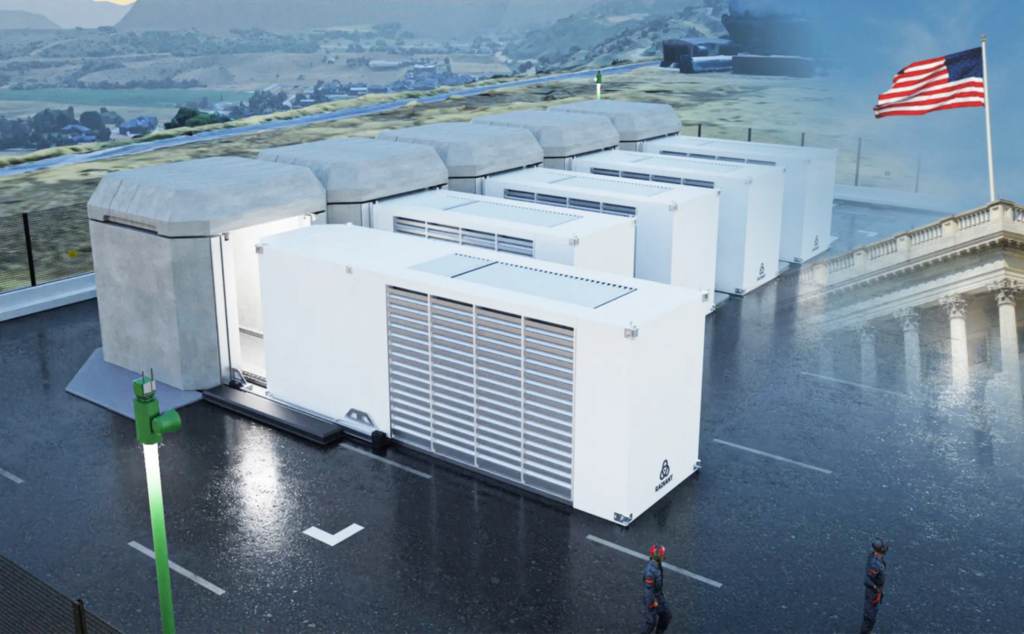
In a bold shift that blends national security with clean-energy ambition, the US Army is preparing to deploy small factory-built nuclear reactors to at forward military bases. This is an initiative that could redefine how America protects its soldiers, sustains its operations and positions its technological edge to the world.
Announced through the Army’s new Janus program, the plan marks one of the most consequential overhauls of military energy policy in decades. To the troops stationed far from stable infrastructure, it promises something remarkably human: reliable power that keeps lifesaving medical units running, communication lines stable, and daily living conditions safer, even in the most remote or hostile environments.
Why would microreactors matter for people on the ground? In many years, US bases, especially those operating overseas, have depended on long fuel convoys and fragile supply routes. These convoys are not just expensive, they put service members directly in harm’s way.
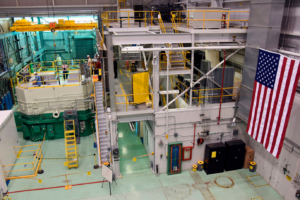
Small nuclear reactors flip this equation. Designed to operate for years without refueling, they can quietly power hospitals, water purification systems, surveillance networks and entire base operations. In regard to soldiers at various bases, this means fewer dangerous fuel transport missions; stable electricity for communications and disaster response; and cleaner air and quieter operations compared to diesel-powered grids.
In humanitarian deployments, such reactors could even support nearby civilian communities with emergency power, blending military readiness with social impact.
As a political turning point in defense energy strategy, the Janus program reflects Washington’s long-term attempt to reduce the military’s dependence on fossil fuels, as a vulnerability stressed in every major conflict of the past two decades.
Supported by an executive order and jointly managed with the Department of Energy, the program gestures a rare moment of bipartisan alignment around innovation, security and climate resilience.

The planned deployment of up to 12 microreactors by July 2026, also potentially positions the US at the forefront of a global race to commercialize next-generation nuclear technology. American leadership here carries diplomatic weight. It gives the US a credible voice in shaping safety norms, export rules, proliferation safeguards for emerging nuclear systems, etc.
From project Pele to Janus, a more practical phase: Janus builds on lessons from Project Pele, the Pentagon’s earlier push to design transportable microreactors. Where Pele proved the concept, Janus is designed to deliver working hardware.
Program director Dr. Jeff Waksman has emphasized a practical mission – get reactors operating, not just prototyped. That signals a shift from research to real deployment, with the Army and DOE coordinating safety reviews, transparency measures, and long-term industry partnerships.
This industrial cooperation could rejuvenate the US nuclear supply chain and create highly skilled jobs in engineering, construction, cybersecurity, and manufacturing.
Though driven by defense needs, the move has broader social and environmental dimensions implications such as: Environmental benefits – microreactors produce near-zero emissions, aligning the Pentagon-America’s largest energy user with national climate goals. Community safety – modern reactors operate with passive safety systems and minimal waste, reducing historic fears associated with nuclear power. Public trust – transparency and engagement will be key as bases introduce new technologies often misunderstood by local communities.
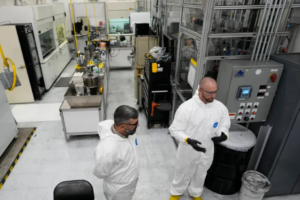
If successful, the Janus program may help normalize advanced nuclear energy in civilian life, creating a bridge between military innovation and public benefit. Shaping the future of both military operations and us energy policy.
By embracing microreactors, the Army is modernizing bases and quietly testing a future, in which low-carbon energy infrastructure becomes standard, not experimental. What happens on military installations could ripple outward into commercial energy markets, climate policy, bolstering America’s global technological leadership.
As these reactors begin to roll out, they may not just power bases, but illuminate a new model for how the US blends security, sustainability and human-centered innovation in the years ahead.