
Mozambique Floods Reveal Systemic Failures as the Most Vulnerable Bear the Brunt
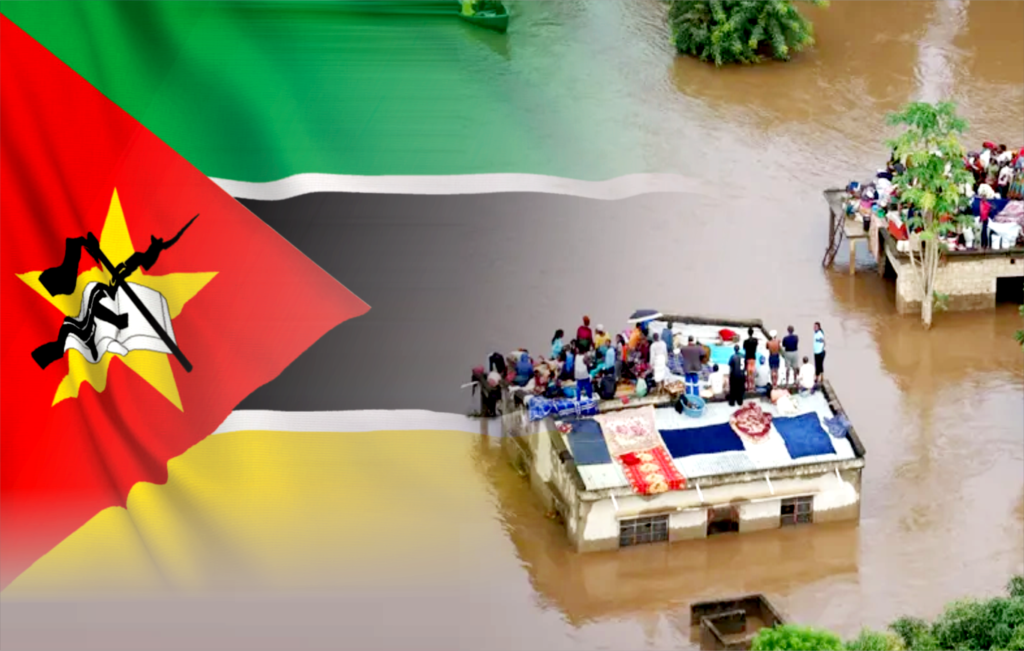
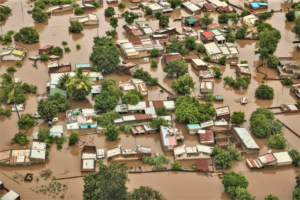
In the floodplains of southern Mozambique, the rains have returned with a familiar violence. By early February 2026, weeks of relentless downpours had submerged homes and farmland across central and southern provinces, affecting more than 723,000 people and forcing nearly 400,000 from their homes. In low-lying districts, helicopters now drop food parcels to marooned families as brown water stretches to the horizon. To many people in towns like Xai-Xai and Chókwè, the flooding is described as the worst in decades. And for residents who rebuild after every rainy season, the catastrophe feels less like an anomaly and more like a pattern.
Children account for roughly half of those displaced, according to aid agencies. In overcrowded temporary shelters, stagnant and contaminated water has triggered rising cases of diarrhoea and heightened fears of cholera. Health workers warn that pre-existing malnutrition among children in rural communities has left many dangerously exposed. Clinics already understocked and understaffed, struggle to cope as access roads remain submerged.
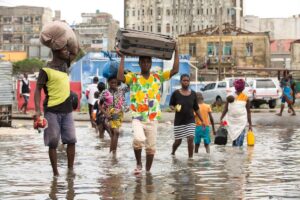
The human toll is layered atop economic devastation. Vast tracts of maize fields lie flattened; livestock carcasses drift in swollen rivers. In regards to subsistence farmers, a single harvest can determine whether a household eats or goes hungry for months. Now, income has collapsed alongside crops, reinforcing a cycle in which families lose what little they own each time the waters rises.
The portrayal of this cycle is embodied in the story of Rosita, born in 2000 when her mother clung to a tree as the Limpopo River burst its banks. Her birth became an emblem of national strength. Twenty-six years later, she reportedly died from anaemia, which is a treatable condition in a functioning health system, just as floods engulfed the same floodplains again. Her life, and death, trace the arc of a country where survival has too often depended on endurance rather than infrastructure.
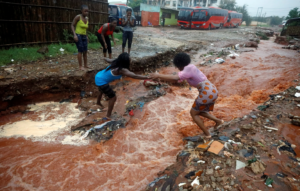
Researchers with the Inclusive Growth in Mozambique programme, noted that progress in reducing multidimensional poverty has stalled since 2015, particularly in rural provinces. Wealth disparities between urban and rural areas have widened, while investment in roads, drainage systems and health facilities has lagged in the very districts most exposed to flooding. When disasters strike, food consumption drops sharply and poverty rates can climb within months.
Aid groups including Oxfam, describe the current emergency as a “disaster upon disaster”, compounded by conflict-related displacement in northern Mozambique that has already stretched humanitarian resources thin. Relief operations are scaling up, but community leaders report uneven distribution and delays that blunt the impact of assistance.
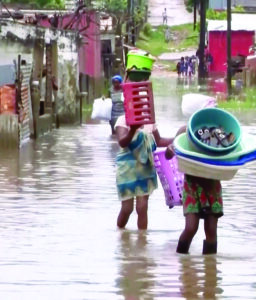
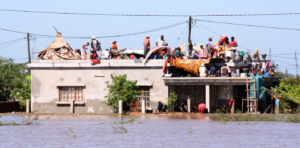
Diplomatically, Mozambique faces delicate negotiations over upstream water management and dam discharges with its neighbours, even as it seeks climate finance to adapt to intensifying rainfall linked to global warming. The country’s vulnerability is not solely geographic, it is political and structural. Weak public services, limited fiscal space and deep-rooted social variations, mean that extreme weather quickly becomes a humanitarian crisis.
At the grassroots level, the consequences are stark. Families describe selling remaining assets to survive, pulling children from school and postponing medical care. Each flood strips away sociocultural forte, making recovery harder and future shocks more devastating.
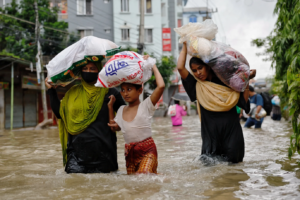
Rosita’s story once embodied hope in the face of disaster. Today, it points-out a more sobering reality that courage cannot substituted for functioning clinics, reliable roads, flood-control infrastructure or accountable governance. Without sustained public investment, equitable development and effective regional cooperation, Mozambique’s poorest citizens will continue to pay the highest price each rainy season.
When the Limpopo rises again as it inevitably will, the test will not be whether communities can endure, but whether political leadership and international partnerships would do enough to ensure they no longer have to.