
Mozambique’s Industrialization as Counter-Measure Against Extremism in War-Torn Cabo Delgado Province
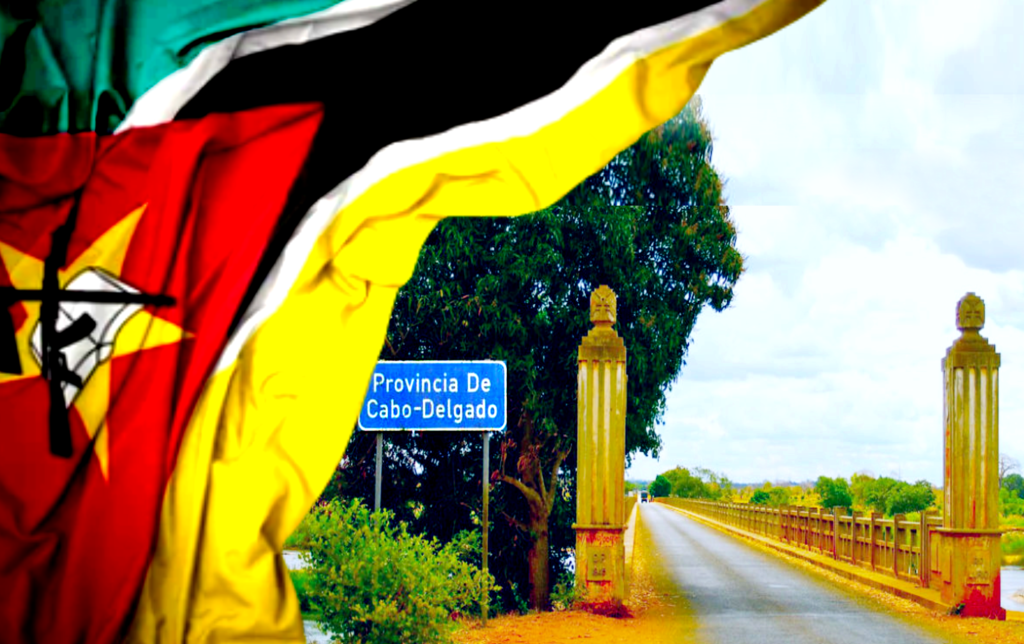
In the gas-rich but conflict-scarred province of Cabo Delgado, northern Mozambique, the government and its international partners are attempting a delicate balancing act, to rebuild an economy battered by insurgency, while offering young people alternatives to violence.
Through partnerships with organizations such as United Nations Development Programme (UNDP) and the conservation-development group MozParks, authorities say they are rolling out a series of industrial, training and entrepreneurship initiatives designed to stimulate local economies and curb recruitment into armed groups. The strategy rests on a simple premise – economic opportunity can be a powerful counterweight to instability.
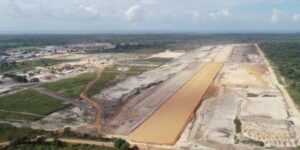
Central to the plan is the development of industrial parks in Cabo Delgado, part of a broader national effort to establish up to 20 such sites across Mozambique. Backed by MozParks and government agencies, the parks aim to attract manufacturers, agro-processors and service companies capable of generating steady employment in a region where livelihoods have been severely disrupted. Local officials argue that industrialization could diversify an economy that has been dominated by large-scale extractive projects, particularly natural gas, whose benefits have often bypassed the locals.


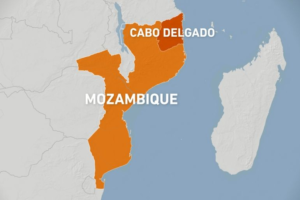
But critics caution that infrastructure alone, cannot heal the abysmal social fractures left by years of violence. Many residents have been displaced, agricultural lands have been abandoned and trust in institutions remains fragile. Leaving a generation on the edge.
Regarding the youth, the stakes are particularly high. Unemployment and limited access to education, have been one of the longstanding causal-factors that make young people vulnerable to recruitment, by insurgent groups. A new initiative supported by UNDP aims to tackle that challenge directly. The program will offer more than 1000 internships, to young Mozambicans, pairing technical training with professional mentorship, in sectors ranging from construction to agribusiness. Participants will also receive training in workplace skills, safety standards, entrepreneurship, etc.; areas of competencies that is lacking in this regions, where formal employment opportunities are scarce. One of the development officials involved in the program said “Providing skills is about employment, as well as about restoring a sense of possibility”.
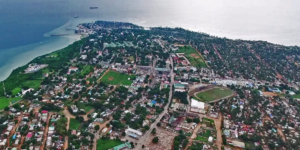

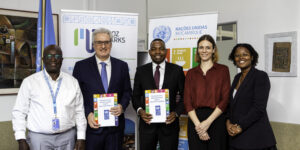
With the grassroots entrepreneurship focus, alongside large-scale industrial plans, smaller community-focused initiatives are emerging now. One of such projects is – Projecta Jovem, which has been running from 2022 to 2025. It supports youth entrepreneurship and vocational training, with a particular emphasis on agriculture and food production. Organizers say, helping young people launch small businesses, whether in farming, processing, or services, could rebuild local economies from the ground up.
European-funded employment programs, which include the initiative known as – +Emprego, are also targeting job creation for youth in Cabo Delgado. They are linking skills training with access to local labor markets. Development experts say these grassroots approaches are essential. Because, while industrial investments may take years to mature, small businesses can deliver more immediate economic relief to communities struggling to recover.

In coordinating regional development to bring coherence to these efforts, the government established the Agency for Integrated Development of the North (ADIN). The agency coordinates development strategies across Cabo Delgado and neighboring provinces of Niassa and Nampula, aiming to ensure that economic growth benefits local populations. Part of ADIN’s mandate includes strengthening connections between small businesses and multinational companies operating in the region’s lucrative extractive sector. It is an attempt to ensure that local suppliers and workers share in the economic activity generated by large projects.
Despite the optimism surrounding these initiatives, observers say economic development alone will not resolve the underlying tensions in Cabo Delgado. The insurgency, which erupted in 2017, has exposed long-standing grievances over social-disparity, governance and access to resources. To many residents in these regions, the success of new programs will depend on whether they deliver tangible socioeconomic improvements in daily life, opportunities that reach beyond urban centers. But then again, investing in the youth demography, remains one of the most promising paths toward stability. Because if young people see a future in their communities, the appeal for extremism will diminish.
In a province where conflict has disrupted both livelihoods and hope, Mozambique’s push for industrial growth and youth social-security development, represents more than an economic policy. To most people in Cabo Delgado, it is a test of whether development can help rebuild trust and peace across all sociocultural-fabric.
Picture Credit: MozParks