
Namibia Is Africa’s Best Tourism Destination; Reshaping Lives, Landscapes and the Nation’s Future
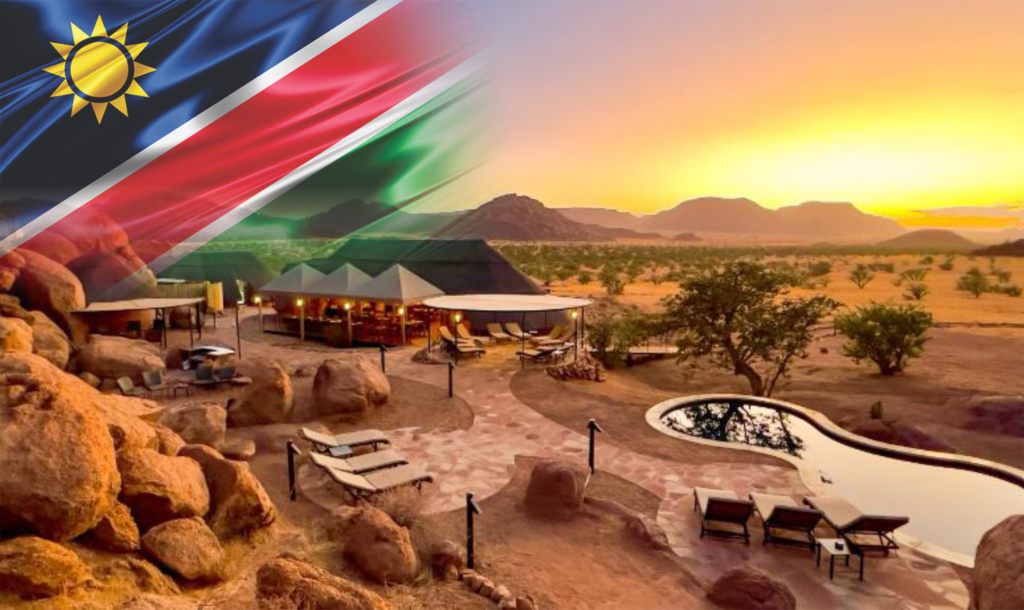
Namibia’s recognition as Africa’s most authentic and demanding tourism destination by the African Tourism Board (ATB) is more than an industry accolade. It is a reflection of how the country’s approach to travel is quietly reshaping family livelihoods, cultural preservation, business models, political priorities and social values, while also exposing the pressures that come with global attention.
In a season when mass tourism is increasingly criticised for overwhelming communities and degrading ecosystems, Namibia stands out for choosing a different path: one that values space, restraint, and responsibility over volume. The choice of many travelers from Germany, the United States, etc., has made Namibia desirable and a meaningful destination. A new kind of destination luxury, space and tranquility.
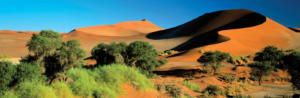
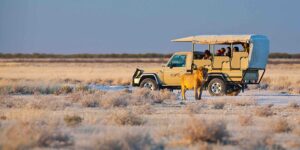
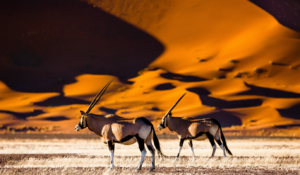
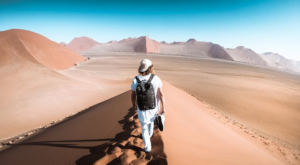
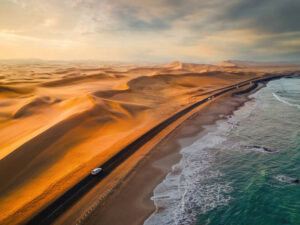
The ATB described Namibia’s appeal with a striking phrase – space as the new luxury. In a world of crowded destinations and rushed itineraries, Namibia offers vast, low-density landscapes where silence is part of the experience. Endless gravel roads with open skies and dramatic deserts, demand patience, preparation and respect.
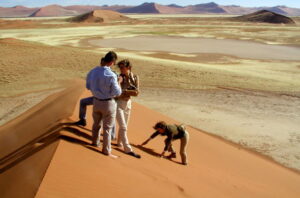
This demanding nature is intentional. Namibia is not built for quick, high-volume tourism. Self-drive travel, long distances between towns and limited infrastructure in remote areas require visitors to be self-reliant and environmentally conscious. As for many travelers willing to meet those demands, the reward is a rare sense of authenticity, an encounter with nature and culture that feels unfiltered and profound.
Families and communities take the tourism sector as a lifeline and a responsibility. At the community level, Namibia’s tourism success directly affects families, especially in rural areas where employment options are limited. Community conservancies, lodges, guiding services and craft markets have become vital sources of income, helping households pay school fees, access healthcare and remain in ancestral lands rather than migrating to overcrowded cities.
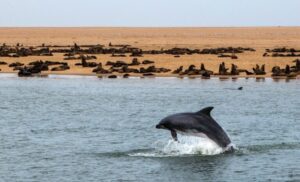
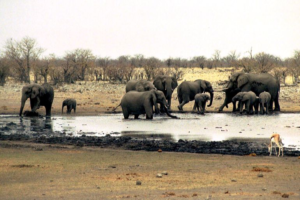
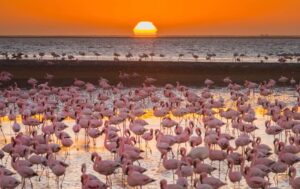
However, this model also places responsibility on families and communities to balance income with conservation. Wildlife is no longer seen only as a threat to crops or livestock, but as a shared asset. This shift has strengthened local stewardship, but it also brings pressure, because communities must protect ecosystems while meeting the expectations of international visitors and tour operators. It is cultural; a preservation through participation.
Namibia’s cultural heritage, especially in regions like Damaraland, is central to its tourism appeal. Ancient rock art, traditional knowledge and living cultures are not presented as staged performances, but as evolving identities tied to the land.
Tourism has helped preserve these traditions by giving them economic value, encouraging younger generations to learn local history, languages and skills. At the same time, there is an ongoing tension on how to share culture without commodifying it. Namibia’s high-value low-impact approach, attempts to address this by limiting visitor numbers and promoting respectful, community-led experiences.
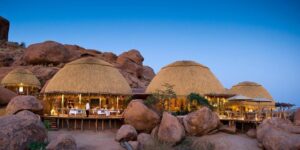
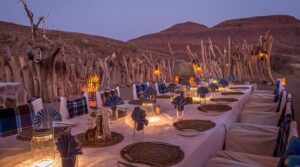
Considering business and the economy of fewer tourists, greater impact: In the Namibia’s tourism businesses, the ATB recognition reinforces a model that prioritises quality over quantity. Lodges, tour operators and hospitality workers focus on longer stays, higher standards and profound engagement rather than rapid turnover.
This approach strengthens resilience in the sector, but it also raises barriers to entry. Smaller operators must meet strict environmental and safety standards. While this supports sustainability, it also sparks debate about inclusivity and who gets to experience Namibia.
Apart tourism, the sector supports transport, agriculture, construction and creative industries, making it a pillar of the national economy. However, any global downturn or shift in travel trends, could have far-reaching consequences, which also is highlighting the need for diversification.
Politics and policy of conservation as national identity. Namibia’s tourism success is deeply rooted in political choices. As the first African country to enshrine environmental protection in its constitution, Namibia made conservation a national value, not just a marketing strategy. Today, over 40% of the country’s land is under some form of conservation management. This has strengthened Namibia’s international reputation and diplomatic standing, but it also places pressure on government to maintain funding, enforce regulations and manage land-use conflicts. Decisions about mining, farming, infrastructure and wildlife protection are increasingly political, as leaders weigh economic growth against long-term sustainability. Then, on the hand is social Impact, redefining what sociocultural progress looks like.
Socially, Namibia’s recognition challenges the idea that development must follow a high-speed, high-impact path. The country’s tourism model suggests that progress can be slower, more deliberate and more inclusive of nature and tradition.
Yet developmental success brings new challenges. Rising visibility can strain local resources, raise prices in popular areas and create inequalities between regions that benefit from tourism and those that do not. Managing these pressures will be crucial to ensuring that tourism remains a force for unity rather than division.
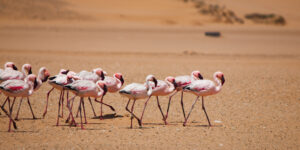
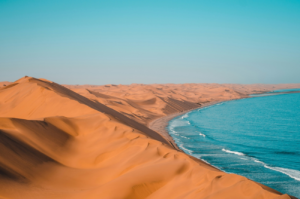
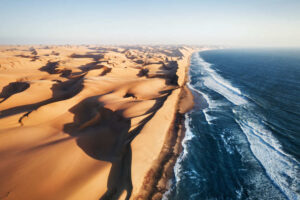
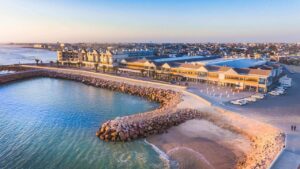
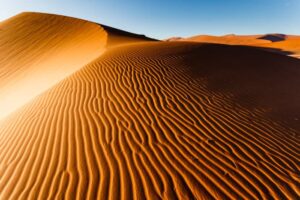
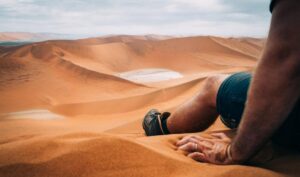
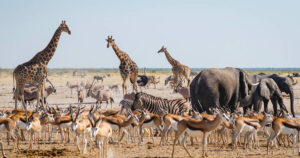
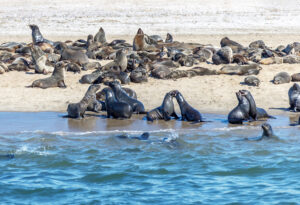
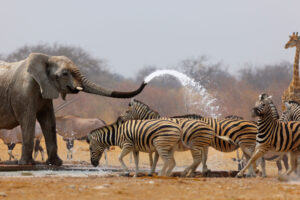
Landscapes that define the experience. The Namibia’s appeal is inseparable from its iconic places such as The Namib Desert – home to the world’s oldest desert, where the white clay pan of Deadvlei is framed by the tallest red dunes on Earth: Etosha National Park – with its vast 4,800-square-kilometre salt pan, offering one of Africa’s most distinctive wildlife viewing experiences: Damaraland – where rugged mountains, ancient rock art, and desert-adapted elephants and rhinos reflect a delicate balance between survival and coexistence: and Swakopmund and Walvis Bay – coastal hubs that contrast stark desert interiors with ocean air, adventure sports, and urban energy.
By naming Namibia Africa’s most realistic tourism destination, the African Tourism Board has highlighted more than scenic beauty. It has drawn attention to a national experiment that tests whether tourism can support families, protect culture, sustain businesses, support politics and strengthen society, without sacrificing the very qualities that make a place special.
However, Namibia’s challenge now, is to clearly remain demanding to visitors (and to itself) by ensuring that authenticity, responsibility and balance endure long than the spotlights.