
Niger-France Fallout: How the 2025 Uranium Rupture Reshaped Families, Power and the Sahel’s Economic Future
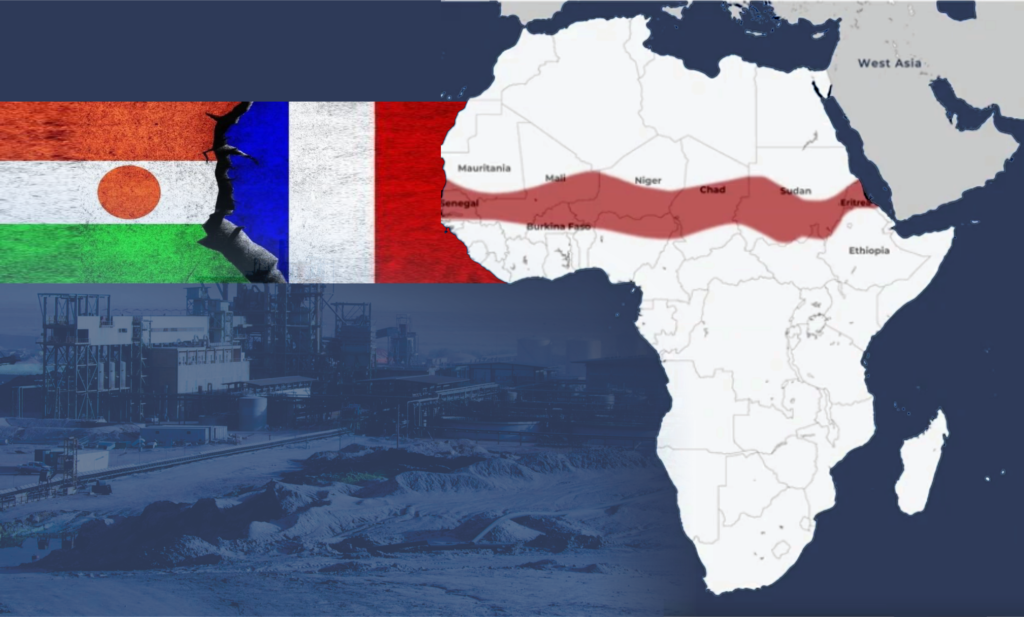
By 2025, the relationship between France’s flagship nuclear group and Niger’s ruling junta had reached an irreversible breaking point. What began as a commercial dispute hardened into a political divorce, unfolding through a series of high-stakes arbitration proceedings. Closely tracked by Africa Business+, the rupture has reverberated far beyond courtrooms and balance sheets, reshaping family livelihoods, national identity, regional politics, and the future of one of the world’s most strategic minerals.
From partnership to breakdown. In decades, Niger’s uranium sector symbolized a complex interdependence: French technology and capital on one side, Nigerien resources and labour on the other. Uranium revenues underpinned state budgets and local economies, while France relied on steady supplies to fuel its nuclear-powered electricity system.
That equilibrium collapsed after Niger’s military takeover recalibrated power at home and alliances abroad. Accusations of unfair contracts, sovereignty breaches, and unpaid obligations escalated quickly. Arbitration became the arena of last resort, yet, each legal step only widened the political gulf.
By 2025, the message was unmistakable, the partnership was over. Implications would vary on the human costs at the mine gate.
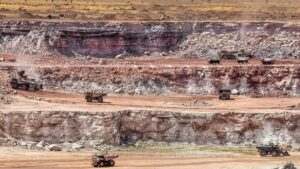
The most immediate impact has been felt by families in northern Niger, where uranium towns grew around mines. Employment uncertainty, temporary shutdowns, contract freezes and delayed wages and many more have strained households that were already coping with high food prices and insecurity.
Parents face hard choices about schooling as incomes wobble. Young people, once trained for technical roles, are reconsidering migration or informal work. For communities long dependent on a single industry, the rupture has exposed the fragility of mono-economies and the human toll of geopolitical conflict.
Further than economics culture and the politics of sovereignty, the crisis has tapped into deep cultural narratives. In Niger, uranium has long symbolised both modern business development and grievance on the economic progress promised, but unevenly delivered. The junta has framed the break as an act of national dignity, resonating with citizens who feel their resources were historically undervalued.
Public discourse increasingly links economic control to cultural self-respect. This reframing has strengthened domestic support for renegotiation, even as it raises questions about capacity, transparency, and long-term stewardship of the sector.
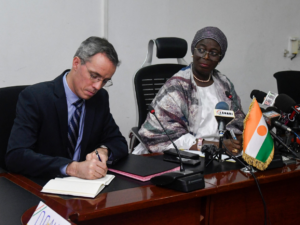
To international investors, the dispute has become a cautionary tale. Arbitration risks, contract sanctity, and political volatility now loom larger in assessments of Sahelian mining projects. Insurance premiums are rising; timelines are lengthening.
At the same time, the rupture has opened doors for new players. Non-Western firms, particularly from Asia and the Middle East, are exploring opportunities under the revised terms. Niger’s challenge is to balance diversification with standards that protect workers, the environment, and public revenues.

Politically, the divorce has accelerated Niger’s reorientation away from traditional Western partners. The junta has leveraged the dispute to consolidate authority, presenting itself as the defender of national interests against foreign pressure.
Regionally, the fallout feeds into broader Sahel dynamics: strained relations with former allies, closer ties with alternative partners, and a recalibration of security and economic cooperation. For France, the loss underscores a shrinking footprint in parts of Francophone Africa and prompts a reassessment of how influence is exercised.

Perhaps the most enduring impact lies in social trust. Citizens are watching closely to see whether sovereignty claims translate into tangible improvements like jobs, services, accountability, etc., or merely shift control without changing outcomes.
The arbitration proceedings may settle legal questions, but they cannot by themselves resolve the deeper social contract at stake. Niger’s future uranium strategy will test whether the state can convert resource control into broad-based development, while avoiding isolation in a competitive global market.
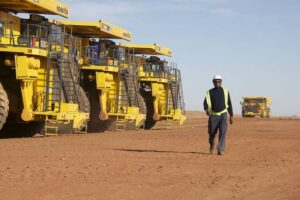
The 2025 rupture between France’s nuclear giant and Niger’s junta is more than a commercial split. It is a defining moment that illuminates how global energy transitions, post-colonial politics, and local livelihoods collide.
As arbitration files close and new negotiations begin, the true verdict will be delivered not in courtrooms, but in Nigerien homes, schools and communities, where the promise of resource wealth is still waiting to be fulfilled.