
Nigeria Projects 2026 Deficit of 4.28% of GDP as Tinubu Proposes ₦58.18 trillion Spending Plan
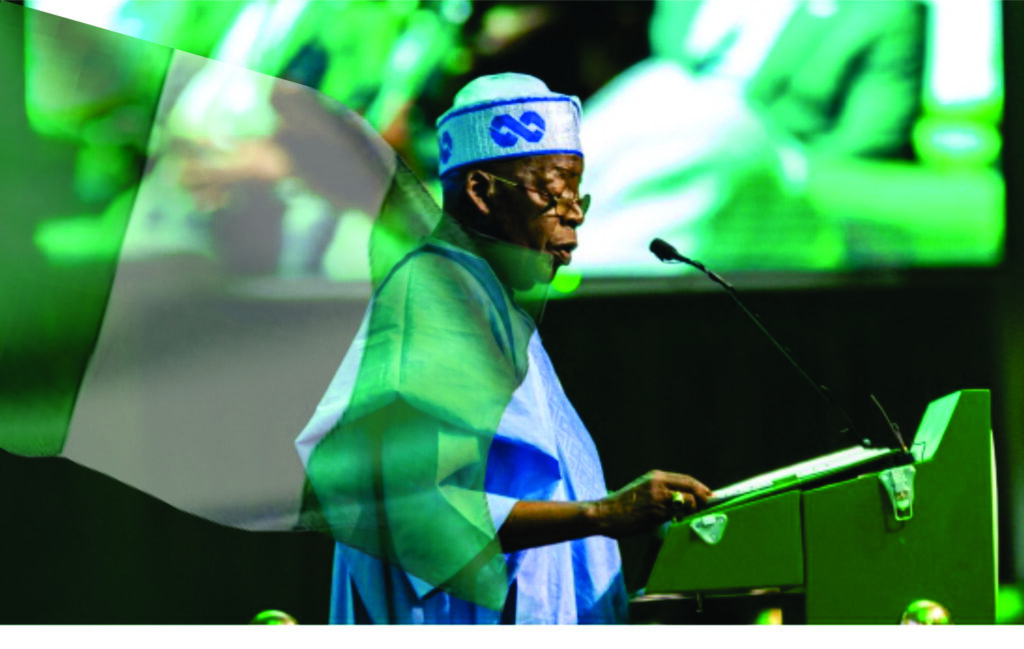
In ABUJA, Dec 19th – Nigeria projected a budget deficit equivalent to 4.28% of gross domestic product in 2026 as President Bola Tinubu unveiled a ₦58.18 trillion ($40 billion) spending plan designed to deepen economic reforms, stabilise prices and push growth in Africa’s largest economy.
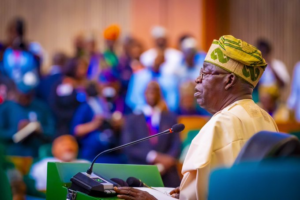
Addressing lawmakers in Abuja, Tinubu said the deficit is estimated at about ₦23.85 trillion. Reflecting a balance between fiscal caution and the urgent need to invest in people and infrastructure after years of slow growth and high inflation.
“The 2026 budget is anchored on realism, prudence and growth orientation” the president said. “We will spend with purpose, manage debt with discipline, and pursue growth that is broad-based, not narrow, and sustainable, not temporary”. But let us carefully see what the numbers mean for households and communities.
To most Nigerian families still adjusting to the removal of fuel subsidies and a weaker currency, the budget’s emphasis on capital spending offers cautious hope. The proposal earmarks ₦26.08 trillion for capital projects, with priority given to security, transport infrastructure, education and health, sectors that directly shape daily life, from safer roads and classrooms, to accessing hospital services.
However, the scale of debt servicing remains a concern. The budget allocates ₦15.52 trillion to servicing existing debt, underscoring how much public resources are tied up in past borrowing. Economists say this limits how quickly government spending can translate into tangible improvements for households, especially in social services. How about the implications for businesses and jobs?
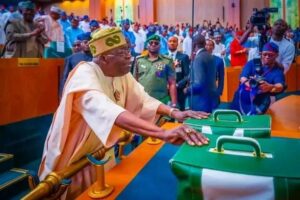
As for most businesses, the spending plan shows continuity in Tinubu’s reform agenda, which has focused on market-based pricing, exchange-rate liberalization and attracting foreign investment. The government is projecting an exchange rate of ₦1,400 to the dollar and basing the budget on an oil price of $64.85 per barrel, with output targeted at 1.84 million barrels per day.
Oil still provides about two-thirds of Nigeria’s export earnings, making the budget vulnerable to swings in global prices and domestic production challenges. While the administration hopes higher capital spending will stimulate non-oil sectors such as manufacturing and services, analysts warn that private investment will depend on security improvements and policy consistency.
With pressing regards to political and social stakes, the budget arrives at a sensitive moment. Tinubu’s reforms have won praise from international lenders and investors but have also raised living costs in the short term, testing public patience. By highlighting falling inflation from 14.45% in November compared with 24.23% in March, and foreign reserves at a seven-year high of $47 billion, the president sought to show that the pain is easing. “These outcomes are not accidental. They reflect difficult but deliberate policy choices” Tinubu said.
Still, labour unions and civil society groups are likely to scrutinize whether the projected gains translate into real relief for low-income households, especially as food prices and transport costs remain high in many parts of the country. Then, what would be the growth outlook?
The government did not state an official growth target in the president’s address, but the budget office earlier projected economic growth of 4.68% in 2026, slightly above the World Bank’s 4.4% forecast. If achieved, that pace could support job creation in a country where a young and rapidly growing population puts constant pressure on the labour market.
As lawmakers debate the proposal in the coming weeks, the 2026 budget will be judged not just by its headline figures, but by whether it can translate reform promises into measurable improvements in livelihoods, confidence and social stability across Nigeria.