
Nigeria’s Economy in Summary: Markets Rise as Policy, Power and Regulation Shape Daily Lives
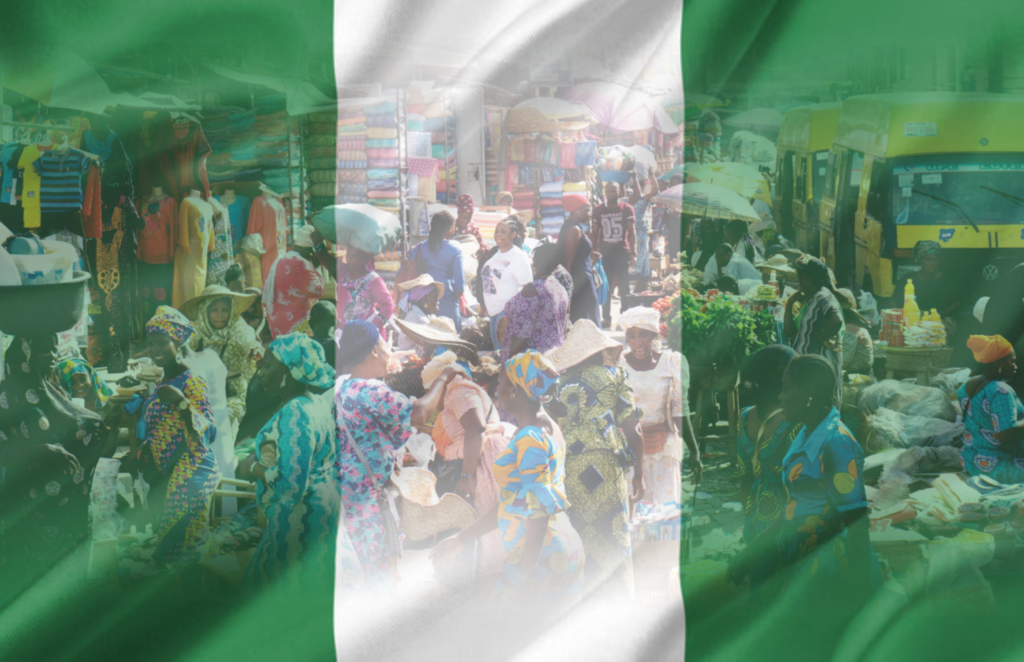
Nigeria’s economic story this week is one of cautious optimism layered with deep structural questions about governance, access and inclusion. From marginal gains on the equities market to tightening regulation in banking and shifting global mobility rules, the signals are mixed, but consequential for families, businesses and investors alike.
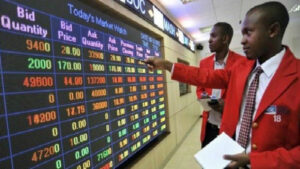
On the trading floor, the Nigerian Exchange sustained its bullish mood, adding about ₦14 billion in market value as investors continued to selectively price in corporate resilience despite persistent macroeconomic headwinds. While the All-Share Index inched up only slightly, the breadth of gainers points to confidence returning in pockets of the market. For households, this slow recovery matters: pensions, insurance funds and informal savings increasingly rely on capital market stability to protect long-term value amid inflation.

Bank earnings are reinforcing that narrative. Fidelity Bank’s nine-month 2025 results reflect how lenders are navigating high interest rates, digital disruption and fintech rivalry by leaning on technology and risk management. Stronger profitability is good news for shareholders, but it also underlines a broader social tension of whether banking profits will translate into cheaper credit for small businesses and families, while squeezed by rising living costs.
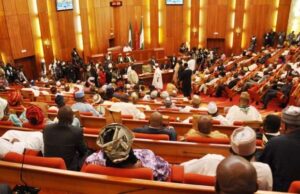
At the policy level, the Senate’s approval of the 2026–2028 Medium-Term Expenditure Framework, clears the path for a projected ₦54 trillion budget. Beyond the numbers, the debate touches everyday realities such as how public spending choices affect jobs, infrastructure, education and health. With debt servicing still heavy, Nigerians are watching closely to see whether fiscal discipline can coexist with social protection.
Energy access remains central to that question. The new partnership between the Rural Electrification Agency and the National Bureau of Statistics aims to produce the most detailed national energy access survey yet. With the rural families and small traders, reliable data could mean better-targeted investments in solar mini-grids, cleaner cooking solutions and reduced dependence on costly generators.

Regulatory resolve is also sharpening. The CBN’s revocation of licenses of two mortgage banks sends a strong signal on compliance, but it also raises concerns for homeowners and depositors already wary of Nigeria’s housing finance system. Similarly, the ICPC’s planned probe of the NMDPRA chief reinforces the anti-corruption message, even as it tests public confidence in key energy institutions.
Globally, Nigeria is feeling the ripple effects of geopolitics. The expansion of U.S. travel restrictions adds uncertainty for students, families and professionals who rely on mobility for education, remittances and business ties, highlighting how international policy decisions can quickly reshape personal futures.
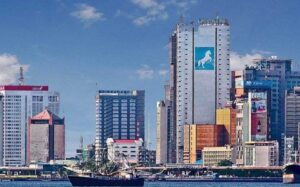
Meanwhile, business and technology trends are redefining opportunity. Lekki Deep Sea Port, now operating at about 50% capacity, shows Nigeria’s growing role in regional trade, with implications for jobs.
Lagos’ rapid data-centre expansion, set to triple capacity by 2030, shows how digital infrastructure is overtaking traditional real estate and reshaping the city’s economy and skills demand. Yet rising cyberattacks, now averaging 4,200 per organisation weekly, remind businesses and households that digital growth comes with new risks.
Across these developments runs a common thread that Nigeria’s economic transition is no longer abstract. It is playing out in markets, ports, power access, travel plans and even online safety, affecting how families plan, businesses invest and policymakers are judged.
Summarized-bulletpoints of the Nigeria economic, business and financial outlook:
- Markets: NGX gains ₦14bn as ASI edges up; BDC FX rate flat at ₦1,485/US$1.
- Banking: Fidelity Bank’s 9M 2025 results highlight earnings growth amid fintech competition.
- Fiscal Policy: Senate clears 2026–2028 MTEF; ₦54trn budget presentation expected.
- Energy: REA–NBS MoU targets comprehensive national energy access data.
- Regulation: CBN revokes Aso Savings & Loans, Union Homes licenses; ICPC to probe NMDPRA boss.
- Global Affairs:S. expands travel restrictions, adding Nigeria.
- Trade & Infrastructure: Lekki Port reaches ~50% capacity as container traffic rises.
- Transport & Climate: ACCI urges expansion of CNG/EV conversion centres with subsidies.
- Technology: Lagos data-centre capacity to triple by 2030; Nigeria faces 4,200 weekly cyberattacks per organisation.
- Finance & Housing: Insurance recapitalization advances; Lagos seeks private sector help to close housing deficit.
- Pensions: PenCom confirms ₦577bn disbursed to clear pension liabilities.