
Olam Agri Opens a $40m Pasta Plant in Kpone Ghana, Cutting Import Bill
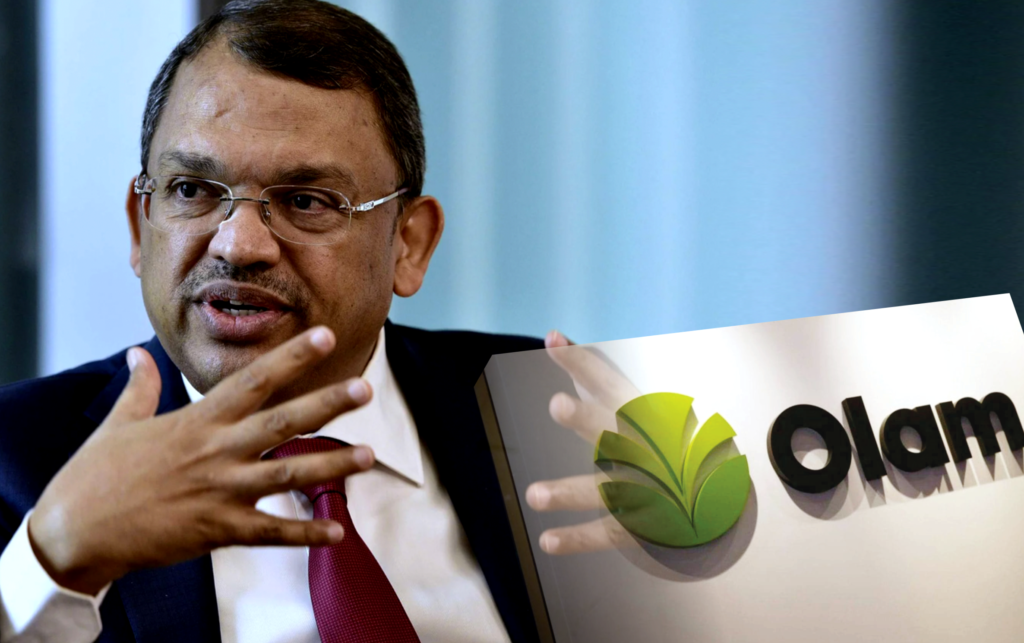
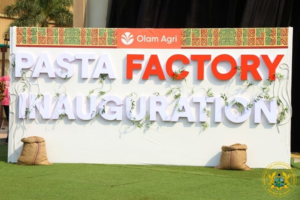
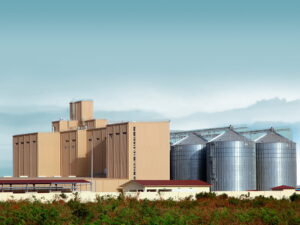
Kpone, Ghana, Global food and agribusiness firm Olam Agri has commissioned a $40 million pasta processing plant in Kpone, near Tema, in what government and industry observers say could reshape Ghana’s food manufacturing landscape and reduce the country’s heavy reliance on imported pasta. The new facility, which is the first of its kind in Ghana, is designed to produce up to 40,000 tonnes of pasta annually. Company officials say the plant could reduce Ghana’s estimated $140 million annual pasta import bill by as much as 40 percent, while also positioning the country as a potential export hub for pasta across West Africa.
Located in the industrial zone of Kpone, the factory forms part of Olam Agri’s wider strategy to expand value-added food manufacturing in the region. The company says, the plant will rely significantly on locally milled wheat, strengthening domestic food processing and supply chains. A giant venture for economic and business implacts.

Ghana imports large quantities of processed foods despite a growing local demand for staples such as pasta, noodles, and flour products. Market analyst say the Kpone plant represents a diversion towards import substitution, a strategy many African governments have been encouraging to reduce foreign exchange pressure and strengthen local industries. To most businesses in Ghana, the venture could ripple across Ghana’s food value chain. Local flour mills, transporters, packaging suppliers and retailers stand to benefit from increased demand linked to the plant’s operations.
Also, industry observers noted that the plant’s 40,000-tonne annual capacity, could significantly reshape competition in the domestic market, where imported brands have historically dominated supermarket shelves. A regional food industry analyst said “If production runs at good scale, local pasta brands could become more affordable and accessible. And that will change the economics for retailers and consumers alike”. This divestment will boost human and community impact socioeconomically, in Ghana.
Transcending economic dynamics, the factory is expected to generate direct and indirect employment in and around the industrial corridor near Tema. To most residents in nearby communities, new industrial activity would bring both opportunity and pressure, such as jobs and infrastructure improvements on one hand, then increased traffic, land procurement and environmental concerns on the other. Local community leaders have welcomed the project as a potential source of job creation across board. Particularly for young workers in the Greater Accra industrial belt. While for many households, the price of staple foods remains a sensitive issue. Because recent years, inflation has strained family budgets even as concerning feeding; and locally produced pasta, would help moderate prices if supply increases.
While pasta is not traditionally a Ghanaian staple food compared to dishes such as jollof rice or banku, consumption has grown steadily in urban areas, indicating cultural shifts in the Ghanaian diet. Busy work schedules, changing lifestyles and the expansion of supermarkets, have made pasta a popular quick meal option, especially among younger consumers. Food economists say the expansion of domestic pasta production, reflects broader dietary shifts taking place across West Africa, where wheat-based foods are becoming more common in cities.
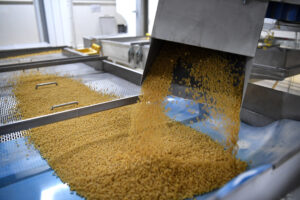
However, Ghana does not produce significant quantities of wheat domestically, due to climate constraints. This means the country will still depend on imported wheat, even as it expands local processing.
As a calculated projection in the midst of commodity-markets volatility, the Olam Agri’s investment in this stead, also reflects a diversification strategy. The company has long been a major player in Ghana’s cocoa supply chain, but the sector has faced instability in global prices, climate challenges and supply disruptions. By expanding into wheat-based food manufacturing, Olam Agri appears to be hedging against fluctuations in traditional export commodities. Likewise, industry analysts say, Ghana’s relatively stable business environment and its location within the regional ECOWAS trading bloc, make it an attractive base for manufacturing-exports across the region.
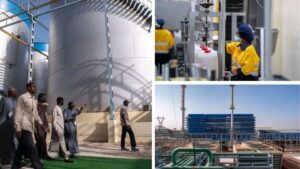
The project also aligns with Ghana’s broader industrialization policies, which encourage local processing of food and agricultural products to reduce import dependence. Government officials have repeatedly emphasized the need to build domestic manufacturing capacity, especially in sectors where the country spends large amounts of foreign exchange on imports. If the Kpone plant operates at full capacity and expands exports to neighboring markets, it is believed that it would serve as a model for other agro-processing investments in Ghana.
Ultimately, the success of the new facility will depend on several factors, like stable supply chains, competitive pricing, efficient distribution networks, consumer acceptance of locally produced brands, etc. If these pieces fall into place, the Kpone pasta plant could mark more than just a new factory opening. It could represent a step toward a broader growth in the West Africa’s food economy, by producing more of what the region eats, closer to home.