
Opinion Sparks Debate Over US-Venezuela Power Display: as Maduro and Wife Deny Terrorism Allegations during Court Session
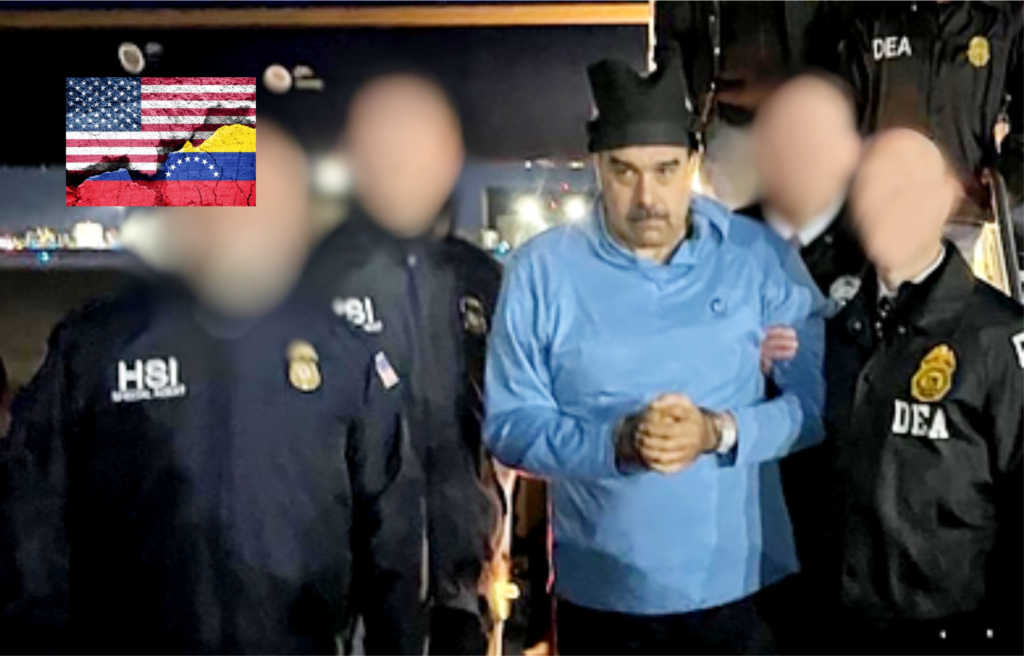
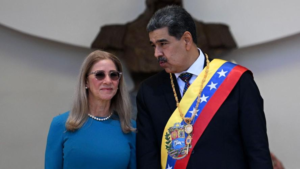
An opinion essay by former Trump administration official K.T. McFarland has reignited debate over U.S. policy toward Venezuela, portraying a dramatic scenario in which President Nicolás Maduro and his wife face terrorism-related charges in a US court. While the claims remain unverified and sharply disputed by Caracas, the piece has stirred conversation farther than Washington, reaching Venezuelan families, regional business leaders and grassroots activists across the Americas.
McFarland’s argument frames the alleged operation as proof of American military and intelligence superiority and a pivot in US foreign policy away from distant conflicts toward the Western Hemisphere. Supporters of this view say it signals a tougher stance on drug trafficking networks blamed for fueling fentanyl deaths in the United States. Critics counter that the rhetoric risks oversimplifying complex regional realities and inflaming tensions without addressing the human consequences.
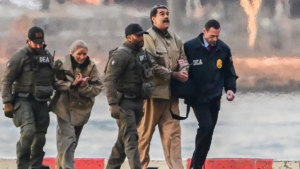
On the ground in Venezuela, ordinary citizens already grappling with inflation, migration and fractured families react with a mix of skepticism and fatigue. Community activists say years of sanctions and political brinkmanship, have translated into shortages and uncertainty for households. “Every big power move gets talked about like a chess game. But it is the ordinary families who feel the shock” said one Caracas-based civic volunteer.
Regionally, business groups and cross-border traders are watching closely. Any escalation between Washington and Caracas could disrupt oil markets, remittances, and informal trade that sustains border communities. At the same time, some Latin American reformers welcome stronger action against organized crime, arguing that cartels erode local governance and safety from Mexico to the Andes.
Politically, the opinion piece criticizes past U.S. administrations for neglecting the Western Hemisphere while China expanded economic influence. It proposes a security strategy that places the Americas first and predicts the rise of pro-Trump reform movements across Central and South America. Diplomats and analysts caution that lasting stability depends less on spectacle than on cooperation, which will strengthen courts transactions towards supporting anti-corruption efforts, and listening to civil society.
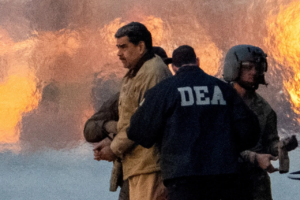
Whether McFarland’s claims reflect reality or rhetoric, the reaction underscores a deeper truth: policies forged in capitals reverberate through neighborhoods, markets, and families. As for communities across the Americas, accountability and security matter, but so do transparency, diplomacy and the everyday costs borne at the grassroots.