
Pope Leo Calls for Reverence for Venezuela’s Sovereignty, Urges Peaceful Dialogue and Negotiations
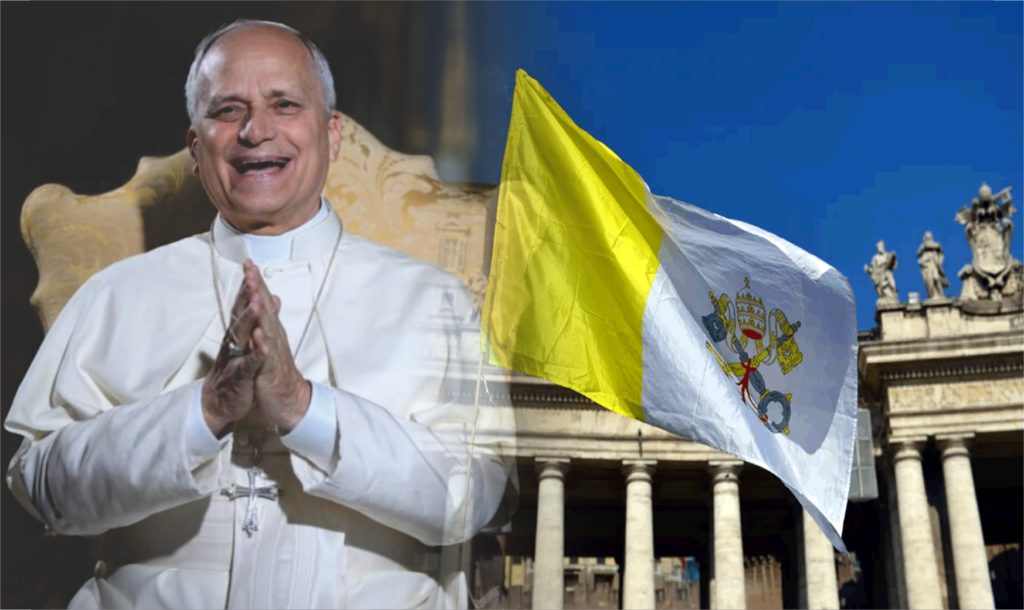
Pope Leo has appealed for an end to violence and renewed respect for Venezuela’s sovereignty as tensions rise following a United States military operation and the reported detention of President Nicolás Maduro. Speaking during his traditional Sunday noon blessing at the Vatican, the pontiff framed the crisis not only as a geopolitical flashpoint but as a human emergency whose consequences will be borne first by ordinary Venezuelan families.
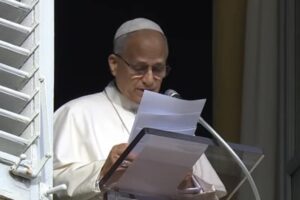
With a heart full of concern, I am following the developments of the situation in Venezuela, the pope said, urging all parties to place the welfare of the Venezuelan people above strategic or political interests. His remarks, delivered to pilgrims gathered in St Peter’s Square and broadcast worldwide, stressed the need for justice, peace, and restraint at a moment when uncertainty is rippling through communities already strained by years of economic hardship and political division.
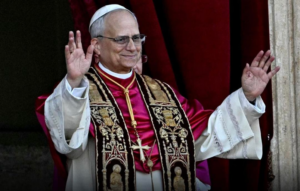
At the grassroots level, the latest escalation has revived familiar fears. For families navigating shortages, disrupted livelihoods, and migration pressures, the prospect of renewed violence threatens to deepen insecurity. Faith leaders and community organisers within Venezuela have repeatedly warned that external military actions, whatever their stated aims, often translate into higher prices, interrupted services, and heightened anxiety in neighbourhoods far from centers of power.
Pope Leo’s statement echoed those concerns, underscoring the importance of the rule of law, constitutional order, and the protection of human and civil rights. In diplomatic terms, his call was a reminder of the Vatican’s long-standing position that sustainable solutions in Venezuela must be rooted in dialogue rather than force. The Holy See has consistently encouraged negotiation and international engagement that leaves space for Venezuelans themselves, civil society groups, churches, workers and business owners, to shape their country’s future.
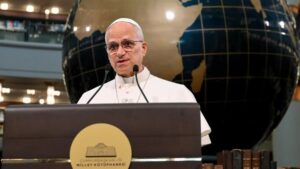
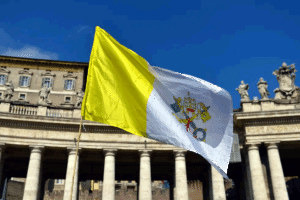
The business and social implications of the crisis also loom large. Prolonged instability risks further isolating local enterprises, disrupting cross-border trade, and accelerating the outflow of skilled workers. Community leaders say such pressures erode social cohesion, placing additional strain on families and informal support networks that have become essential to daily survival.
Politically, the episode has intensified global debate about intervention, sovereignty, and accountability. While supporters of tougher measures argue they can hasten change, critics caution that unilateral actions may undermine international norms and complicate prospects for inclusive political settlements. Pope Leo’s remarks sought to strike a diplomatic balance, urging international actors to pursue peaceful means, including negotiation and lawful political transaction, while keeping human dignity at the centre of any response.
As Venezuela enters another uncertain chapter, the pope’s appeal serves as a moral intervention aimed at slowing the rush toward confrontation. By focusing attention on families, communities, and the social fabric of the nation, he reinforced a message that resonates beyond the Vatican: lasting stability will depend less on displays of power than on protecting lives, rebuilding trust, and giving Venezuelans the space to resolve their crisis through peaceful and lawful means.