
Seychellois, Tourism Island Questioning Migration and Weighing the Costs of Open-Boarders
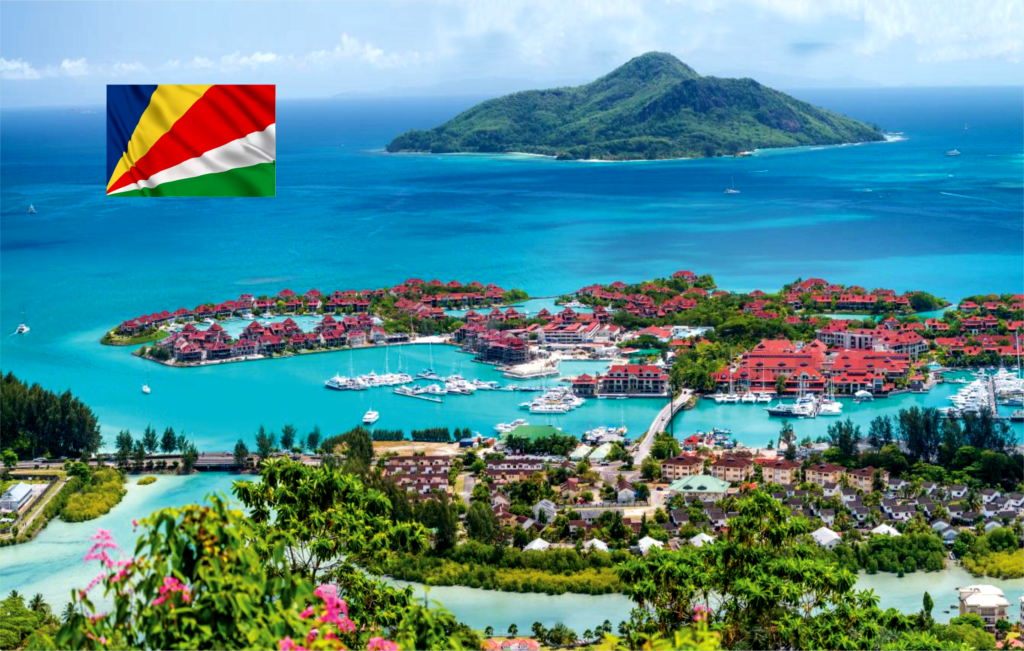
In the turquoise calm of the Indian Ocean, Seychelles stands out as Africa’s top performer on the Human Development Index, according to the United Nations Development Programme. With near-universal health care, strong education outcomes, and relatively high incomes, the archipelago is often portrayed as a development success story. But beneath the postcard image lies a more complicated conversation about who gets to share in that success, and at what cost. Clear finds show that the country is divided on immigration and wary of free cross-border movement, even as it depends heavily on foreign labour. Absolutely cautious about open borders.
Fewer than half of her population, representing 47% of Seychellois, support free movement across Indian Ocean borders for trade or work. 38% of them say government should limit the cross-border movement of people and goods altogether. A majority representing 58%, describe crossing international borders as difficult, or very difficult in practice. Only 20% of Seychellois have heard of the African Continental Free Trade Area (AfCFTA), the flagship integration project of the African Union aimed at easing trade and mobility across Africa. The findings point to a paradox; while regional integration advances at the policy level, public awareness and enthusiasm remain limited at the grassroots level. Nonetheless, there is a flood of workforce hinging on migration.
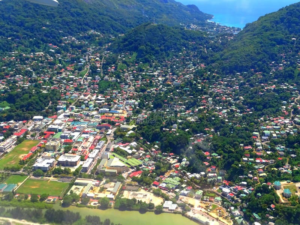
Migration is not marginal to Seychelles, but structural. By 2022, the country hosted nearly 19,900 immigrants, about 19.4% of its population, more than double the share in 2010. Migrant workers now make up 31% of the labour force; 35% concentrated in construction; 22% in hospitality service; and 13% in manufacturing sector. In the health sector, the reliance is even simpler. With limited domestic medical training options, Seychellois doctors often study abroad. As of 2023, foreign doctors accounted for 62% of physicians nationwide. So, without migrant labour, hotels would struggle to operate, building projects could stall and hospital wards might face critical shortages. Still, 43% of the citizens see immigrants’ economic impact as negative, compared to 34% who view it as positive.
The tension is not about neighbourly relations. 85% percent say they would not mind, or would even like living next door to foreign workers. 72% percent say the same about refugees. But when it comes to national policy, attitudes harden. 55% want the government to reduce the number of foreign job seekers entering the country; and 15% want immigration stopped entirely. An even stronger majority of 29%, favour reducing or eliminating; while 61% supports refugee entry. These unmistakably portrays fear of pressure, or fear of loss. Cross sectional discussions, even with community leaders and labour advocates, suggest these views are shaped by perceived economic vulnerability.
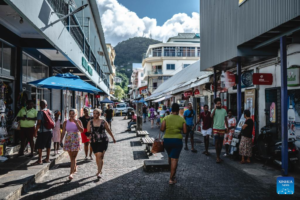
Seychelles’ small population of just over 100,000, means pressure of labour supply and housing demand, are quickly felt. Rising rents, competition for entry-level jobs and pressure on public services, amplify anxieties, particularly among lower-income households.
Trade union representatives argue that while migrants fill vital gaps, employers sometimes prefer foreign workers for lower wages, weakening bargaining power for locals. At the same time, business owners warn that tightening immigration could harm economic growth and jeopardize tourism, the backbone of national revenue.
The government’s 2019 National Labour Migration Policy emphasizes sustainable recruitment and protection of migrant workers’ rights, while the 2024–2029 National Diaspora Policy seeks to harness the skills and capital of Seychellois abroad. Officials frame both as complementary: manage inward migration responsibly while strengthening ties with citizens overseas. Even as many Seychellois call for fewer newcomers, one out of six citizens, representing 16%, say they have considered leaving the country themselves. The figure climbs to 23% among youth and 20% among those with post-secondary education. Economic opportunity is the dominant driving force for this pursuit. 47% of would-be emigrants, cite job prospects as their main reason for considering leaving their country. And Europe is one of the most popular destination for them, attracting 31% of potential emigrants. This outward emigrants-gaze complicates the national debate. A country that depends on imported skills, is also at a risk of exporting its own.
Nevertheless, government officials see the situation as a clear but delicate message that immigration controls alone cannot address public unease. Amongst others, jobs creation, wage growth, affordable housing and stronger communication about regional integration are equally critical.
As Seychelles navigates its role in a more interconnected Africa, the challenge is simply whether to open or close her borders, and balance economic necessity with sociocultural cohesion, ensuring that national prosperity becomes a common wealth for her citizens to actualize their dreams back home, than leaving their country for green promises abroad, just as migrants seek to enter Seychelles for same prospects.