
SOSCHI’s Kigali Conference Calls for Stronger Climate–Health Indicators to Guide Policy and Protect Communities
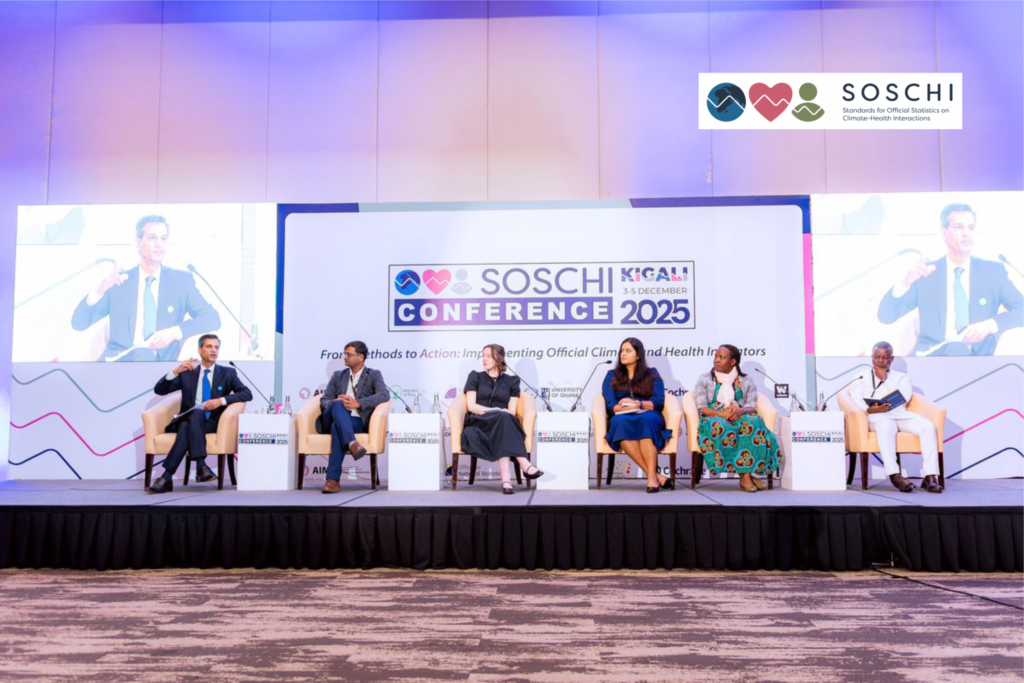
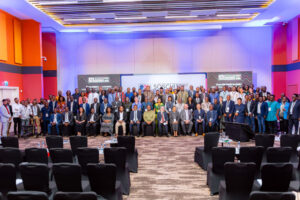
In KIGALI, Rwanda, after three days of intensive dialogue and technical exchange, delegates from 23 countries concluded the Standards for Official Statistics on Climate–Health Interactions (SOSCHI) Conference with a unified call: Africa must urgently strengthen its climate–health intelligence if it is to protect communities and shape effective national policies in a warming world.
The gathering brought together government officials, scientific institutions, global organisations and development partners working at the intersection of climate and public health. Their message was clear, climate change is already reshaping disease patterns, aggravating health inequalities and threatening human wellbeing across the continent, yet most countries still collect climate and health data separately. Without integrated indicators, policymakers are left with an incomplete picture of how climate hazards from extreme heat to flooding, translate into real impacts on people’s lives.
Speakers emphasised that behind the statistics are farmers facing heat stress, families displaced by floods, communities battling malaria in new regions, and urban residents exposed to toxic air. Strengthening climate–health indicators, they stressed, is ultimately about saving lives, protecting livelihoods and empowering governments to respond before crises emerge.
The communiqué adopted in Kigali underscored this point, noting the “urgent need for more robust information on the health impacts of climate hazards to strengthen national policies and guide targeted interventions.” Such insights could help countries invest in the right early-warning systems, design climate-smart health services and ensure vulnerable groups like women, children, rural households and low-income communities, are not left behind.
Delegates also framed the effort as a matter of political responsibility. As climate impacts intensify, governments are increasingly expected to justify how public resources are allocated for adaptation and health resilience. Harmonised indicators, they argued, will give leaders stronger evidence to prioritise investments, negotiate international support and track the effectiveness of national strategies.
Many pointed out that Africa, despite contributing the least to global emissions, faces some of the world’s highest climate-related health risks. By championing the SOSCHI framework, the continent is positioning itself as a global leader in defining new standards for climate-health accountability.
A recurring theme throughout the conference was sustainability. Participants warned that climate–health monitoring must not rely on short-term donor projects but instead be built into national systems supported by domestic financing, skilled personnel and resilient institutions. Improving civil registration, modernising health information systems, and boosting environmental and meteorological monitoring were identified as key pillars.
Because climate–health indicators rely on data from many sectors, delegates also highlighted the need for interoperable systems and collaborative data sharing—an area where many countries still face technical and political barriers.
Technical demonstrations from Rwanda, Ghana and the UK offered a glimpse of what is possible. Rwanda showcased changes in malaria risk linked to temperature and rainfall shifts, Ghana presented quantifiable trends in diarrhoeal disease, air pollution and heat-related mortality, and UK experts showed how harmonised indicators help identify emerging vulnerabilities.
These examples reinforced that with the right tools, governments can track risks in real time and take proactive measures, from targeted mosquito-control campaigns to heat-action plans and improved water management.
As the meeting closed, participants affirmed their commitment to scale and institutionalise the SOSCHI framework across Africa. The communiqué calls on national statistical offices, health ministries, research institutions and funders to work together to “deliver validated climate–health metrics that inform policy, strengthen resilience, and safeguard population health.”
The Kigali conference highlighted a broader truth: While Africa is on the frontlines of climate impacts, it is also driving the innovation needed to respond. By investing in climate–health intelligence, the continent is charting a path toward a safer, more informed and more resilient future.
About SOSCHI: The SOSCHI Partnership is a collaboration between the UK’s Office for National Statistics, the African Institute for Mathematical Sciences Research and Innovation Centre (AIMS-RIC) in Rwanda, and the University of Ghana’s Regional Institute for Population Studies (RIPS). Supported by global partners and funded by the Wellcome Trust, SOSCHI provides a harmonised statistical framework and open-source tools to help countries generate actionable climate–health indicators.