
The Global Economy in 2026: Trends, Risks and Opportunities, Looking Ahead

If 2025 had a defining theme, it was disruption. Tariffs returned to centre stage, global power continued to shift, and the rules that once governed trade, finance and growth were rewritten in real time. As the world looks toward 2026, the story is less about recovery and more about reordering.
President Donald Trump’s renewed tariffs sent shockwaves through global trade in 2025, accelerating a trend that was already underway: countries turning inward to protect jobs, industries and strategic interests. Long-standing alliances are being tested, while new partnerships are forming around resources, technology and security.
For families, the impact is immediate and personal. Higher import costs have fed into food prices, transport fares and everyday goods, stretching household budgets across both rich and poor countries. In many places, wages have not kept pace, forcing families to make tough choices about education, healthcare and housing.
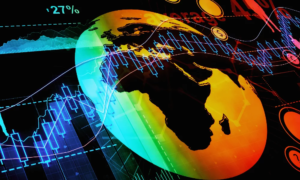
Culturally and socially, the economic shift is reshaping how people move and work. Labour shortages in ageing economies are colliding with youth unemployment elsewhere, driving debates over migration, skills and national identity. Remote work and artificial intelligence are also changing workplace expectations, creating opportunities for some while deepening inequality for others.
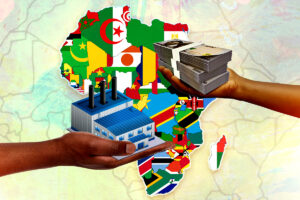
Businesses are navigating a far more complex world. Supply chains are shorter, more regional and more expensive. Companies are investing heavily in automation and AI to stay competitive, while also hedging against political risk. In Africa, a minerals boom linked to the global energy transition is drawing new investment, but it also raises questions about environmental protection, local jobs and who truly benefits from growth.
Politically, governments are spending more and borrowing more. Defence budgets are rising amid geopolitical tensions, while climate commitments demand massive public investment. For many developing countries, growing debt is limiting policy choices, increasing pressure on leaders to deliver growth without triggering social unrest.
By 2026, the global economy is unlikely to return to the old model of open markets and predictable rules. Instead, it will be defined by careful balancing acts: between protection and cooperation, innovation and inclusion, national interest and global responsibility.
The global reordering is far from over. And as governments and corporations reposition themselves, it is the ordinary people like workers, families, communities, etc., who will continue to feel its consequences most deeply.