
The Middle East Conflict Intensifies Economic Strain across Africa, Multilateral Institutions Warn
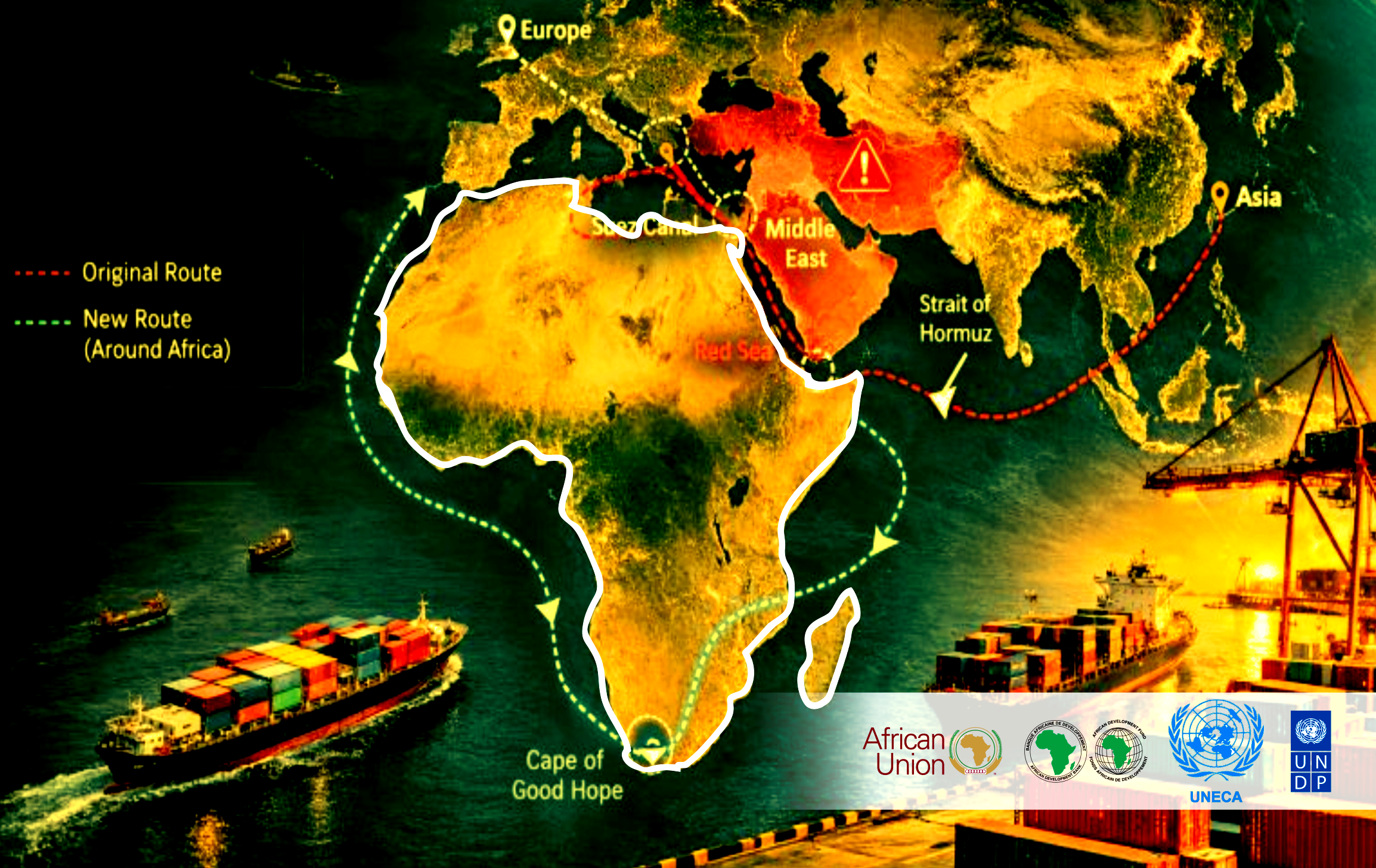
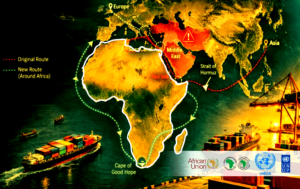
Tangier, Morocco, escalating conflict in the Middle East is intensifying economic pressures across Africa, weakening currencies, driving up import costs, and heightening risks to food and energy security, according to a joint assessment by the African Development Bank, African Union Commission, United Nations Development Programme, and United Nations Economic Commission for Africa.
Meeting on the sidelines of UNECA’s 58th session in Tangier, the institutions outlined a coordinated response framework as African economies grapple with the spillover effects of surging global commodity prices and financial volatility.
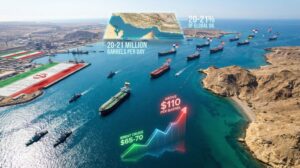
The report finds that nearly 29 African currencies have depreciated in recent months, sharply increasing the cost of servicing external debt and importing essential goods such as food, fuel, and fertilizer. These pressures are being compounded by a rapid escalation in global oil prices, which have risen by more than 50 percent since late March, amplifying inflationary risks across the continent.
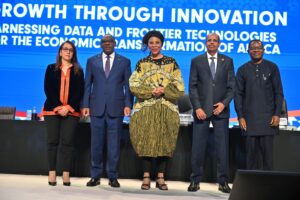
Officials warn that the current wave of shocks is spreading faster and through more concentrated channels than in previous crises, leaving governments with limited time to respond. Disruptions to Gulf energy supplies have also constrained access to key agricultural inputs, including ammonia and urea, during the critical March-to-May planting season. This is expected to weigh on crop yields and exacerbate food insecurity, particularly in import-dependent economies and among low-income households.
“Continued escalation of the conflict worsens global instability, with serious implications for energy markets, food security, and economic resilience, particularly in Africa, where economic pressures remain acute” said Mahmoud Ali Youssouf.
At a critical juncture: African policymakers and development partners describe the current crisis as both a test and a turning point. Claver Gatete, UN Under-Secretary-General and Executive Secretary of UNECA, noted that repeated external shocks have exposed structural vulnerabilities across African economies. “This moment calls for decisive action, not only to protect lives and livelihoods now, but to accelerate Africa’s long-term push towards energy security, food sovereignty, and financial self-reliance”, Gatete said.



Echoing this, Ahunna Eziakonwa, Assistant Secretary-General and Director of UNDP’s Regional Bureau for Africa, stressed the importance of political will and coordinated policy responses. She said that with the right mix of reforms and financing tools, African economies could withstand the current shock while strengthening their long-term resilience.
The joint brief proposes a 3-tier response strategy approach to managing the crisis: Immediate measures -focused on cushioning households and stabilizing access to food, fuel, and fertilizers through targeted interventions supported by governments, development partners, and the private sector. Medium-term reforms – aimed at strengthening energy security, expanding social protection systems, and boosting intra-African trade under frameworks such as the African Continental Free Trade Area. Long-term structural changes – to enhance domestic resource mobilization and establish African-led financial safety mechanisms, including accelerated implementation of the African Financing Stability Mechanism.
President of the African Development Bank Group – Sidi Ould Tah, emphasized that Africa’s response must evolve beyond crisis management. “As global shocks become more frequent, the focus must shift toward building resilience, leveraging regional integration, strengthening financial systems and investing in sustainable energy and food systems”, he said.
The institutions conclude that while the Middle East conflict has exposed Africa’s continued vulnerability to external shocks, it also emphasizes the urgency of structural transformation. By strengthening regional integration, scaling up African-led financing solutions and investing in strategic sectors, the continent could turn the current crisis into a catalyst for long-term economic stability and self-reliance.
For more information and interviews, please contact:
Solomon Mugera | AfDB | s.mugera@afdb.org
Nuur Mohamud Sheekh | AUC | sheekhN@africanunion.org
Sophia Denekew | UNECA | denekews.uneca@un.org
Eve Sabbagh | UNDP | eve.sabbagh@undp.org
SOURCE: African Development Bank Group (AfDB)