
Tinubu Signs Nigeria-UAE Economic Partnership To Drive Jobs, Green Investment
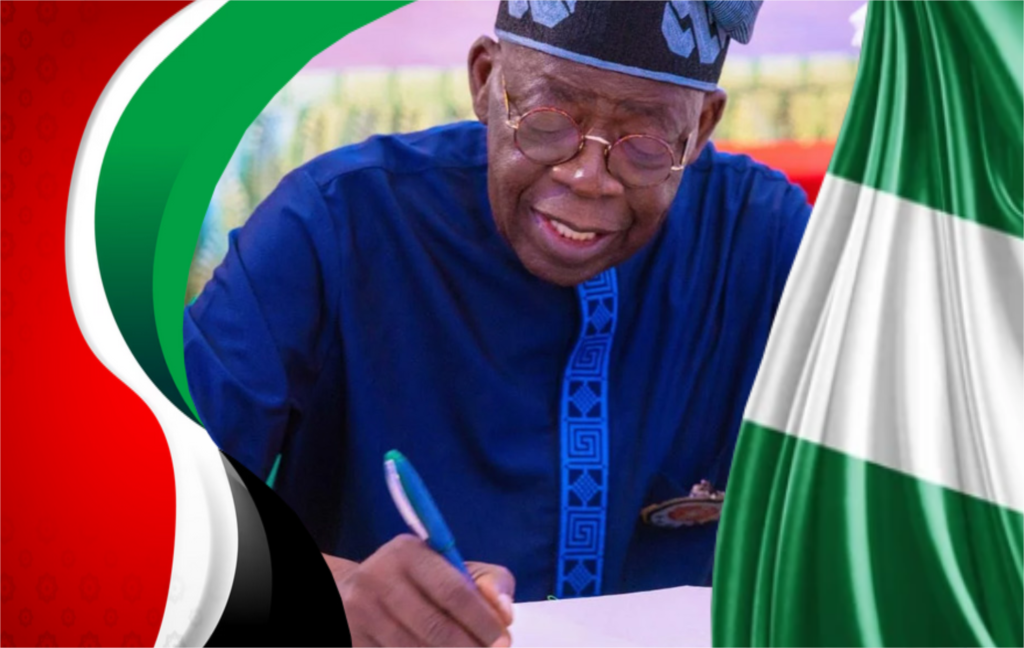
President Bola Ahmed Tinubu has announced the conclusion of negotiations on a Comprehensive Economic Partnership Agreement (CEPA) between Nigeria and the United Arab Emirates, a deal the administration describes as a cornerstone of its drive to attract green investment, expand industrial capacity and create jobs across Africa’s largest economy.
Unveiled on the sidelines of the 2026 Abu Dhabi Sustainability Week, the agreement places Nigeria at the centre of a growing economic relationship with the Gulf state, one that blends climate diplomacy with hard‑nosed economic interests. Speaking to global investors and policymakers, Tinubu said the partnership signals a shift in how Nigeria wants to engage the world: not merely as a source of raw materials, but as a destination for long‑term, value‑adding investment.
“Our objective is clear,” the president said. “Nigeria is seeking partnerships that go beyond resource extraction and deliver jobs and value at home. We want investments that strengthen our industries, expand access to electricity and support sustainable growth.”
While the CEPA is framed as a trade and investment agreement, officials say its ambitions extend well beyond tariff reductions or market access. According to the presidency, the pact is designed to deepen cooperation in renewable energy, infrastructure, logistics, digital trade and climate finance, sectors seen as critical to Nigeria’s economic diversification agenda.
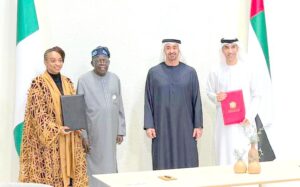
Nigeria, whose economy remains heavily dependent on oil revenues and vulnerable to external shocks, the partnership offers an opportunity to tap into the UAE’s capital, technology and global trade networks. For the UAE, it provides a foothold in West Africa’s largest consumer market and a gateway to the African Continental Free Trade Area.
Government sources involved in the negotiations say the talks focused not only on attracting capital, but on shaping the quality of investment. Nigerian negotiators pushed for commitments that prioritise local content, skills transfer and job creation, responding to long‑standing public criticism that foreign investments often fail to translate into broad‑based economic benefits.
At the grassroots level, the administration is betting that the agreement will have tangible social impacts. Expanded investments in renewable energy and decentralised electricity, for example, are expected to improve power supply to small businesses, farms and households—areas where unreliable electricity has long constrained productivity and family incomes.
“If implemented well, this could mean more than big projects in big cities,” said an energy policy analyst in Lagos. “Mini‑grids, clean power for agro‑processing and logistics hubs can directly affect livelihoods, especially for young people and women running small enterprises.”
Tinubu highlighted plans to unlock up to $30 billion annually in climate and green industrialisation finance through carbon market reforms, green bonds and a decentralised electricity system aimed at underserved communities. Supporters argue that such financing, if transparently managed, could help bridge Nigeria’s infrastructure gap while cushioning families from the rising cost of energy.
The CEPA also arrives at a politically sensitive moment. Tinubu’s reform agenda, which is marked by fuel subsidy removal, exchange rate adjustments and tax reforms, has been praised by international partners but has imposed short‑term hardships on citizens. Securing high‑profile foreign partnerships is therefore not only an economic goal, but a political signal that reforms are beginning to yield dividends.

“Our reforms are designed to give investors’ confidence, ensure accountability and support sustainable growth across critical sectors of the economy,” Tinubu said, underscoring the government’s push to stabilise the macroeconomic environment.
Business groups say the agreement could improve investor sentiment, provided commitments translate into actual projects. “CEPA frameworks are only as good as their implementation,” said a representative of a Nigerian manufacturing association. “Investors will be watching for clear rules, dispute resolution mechanisms and consistency in policy.”
At the international level, the Nigeria-UAE partnership reflects a broader diplomatic effort to reposition Nigeria as a climate‑conscious emerging economy without sacrificing development goals. Tinubu used his Abu Dhabi address to challenge what he described as a false choice between climate action and economic growth for developing countries.
“Developing countries should not be made to choose between climate responsibility and development,” he said. “What we need is predictable climate financing, technology transfer and capacity building.”
This stance resonates with many African policymakers who argue that global climate commitments must account for energy poverty, industrialisation needs and social equity. By aligning with the UAE, a major energy producer investing heavily in renewables, Nigeria appears to be seeking a pragmatic middle ground.
Despite the optimism, analysts caution that past agreements have sometimes fallen short of expectations. Civil society groups are already calling for transparency around the terms of the CEPA, including safeguards to ensure environmental standards, labour rights and community interests are protected.
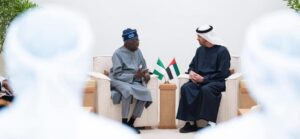
“There is real potential here, but also real risk,” said a governance advocate in Abuja. “The public needs to know how projects will be selected, how funds will be monitored and how benefits will reach ordinary Nigerians.”
The presidency has indicated that further details of the agreement, including sector‑specific commitments and implementation timelines, will be released in the coming months.
Ultimately, the Nigeria-UAE economic partnership may serve as a test of Tinubu’s broader promise to marry reform with inclusive growth. If investments materialise in ways that create jobs, support families, strengthen local businesses and advance Nigeria’s green transition, the deal could become a model for future partnerships.
In the meantime, it stands as a diplomatic win and a statement of intent that Nigeria wants to be seen as an economy open for business, and as one seeking fairer, more sustainable terms of engagement in a rapidly changing global order.