
Trump Slams BBC With $5bn Defamation Lawsuit Over Panorama Documentary
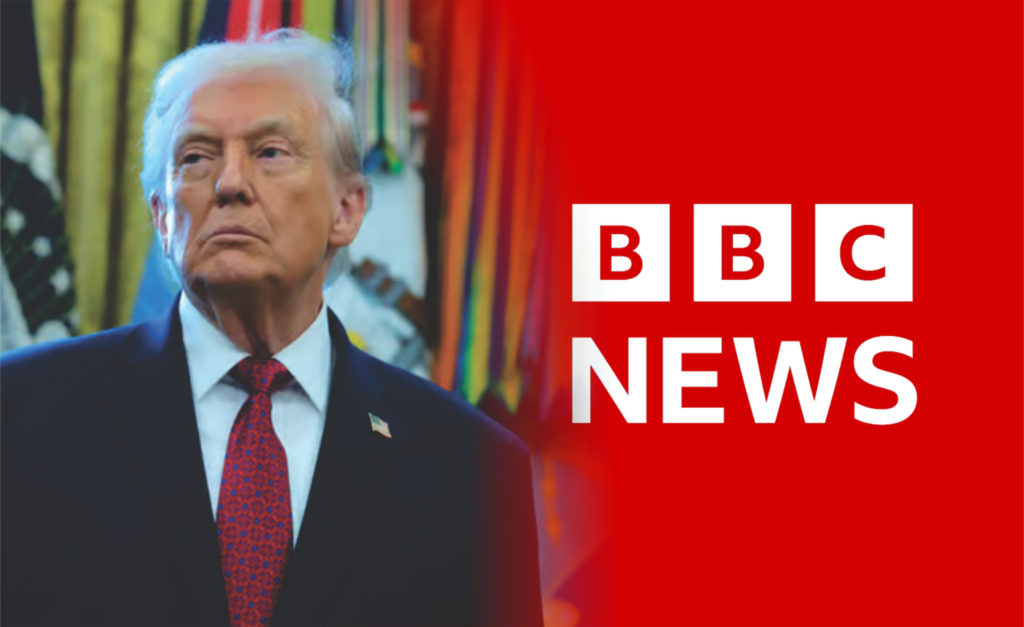
Donald Trump has launched a $5bn (£3.7bn) defamation lawsuit against the BBC, accusing the public broadcaster of maliciously editing his speech on 6 January 2021 in a Panorama documentary and falsely portraying him as inciting violence ahead of the US Capitol riot.
The case, filed in Florida, claims the BBC unlawfully spliced together remarks Trump made nearly an hour apart, creating what his lawyers describe as a deceptive narrative that damaged his reputation globally and exposed him and his family to legal and personal risk. Trump alleges the edit crossed from editorial judgment into deliberate defamation, violating both defamation law and trade practices.
At the centre of the dispute is a Panorama clip that appeared to show Trump telling supporters: “We’re going to walk down to the Capitol… and I’ll be there with you. And we fight. We fight like hell.” In reality, the phrases came from different parts of a much longer speech. The BBC later apologised, acknowledging the edit gave the mistaken impression that Trump had issued a direct call for violence, but it rejected his demand for compensation and denied any defamation.
In respect to Trump, the lawsuit is both personal and political. His legal filing argues the documentary intensified threats against his family and associates and reinforced a narrative that has followed him through multiple investigations and impeachments. Supporters say the case reflects a long-running grievance: Trump’s belief that powerful media organisations shape public perception in ways that outlast formal apologies.
The BBC, which has not yet responded publicly to the lawsuit, has previously argued there was no malice and no measurable harm, noting Trump was re-elected after the documentary aired. It also maintains that Panorama was neither broadcast on its US channels nor widely available in the United States, as BBC iPlayer is restricted to UK users.
Trump’s lawsuit disputes that claim, pointing to international licensing arrangements and platforms such as BritBox, as well as the use of VPNs, to argue the programme was accessible in Florida and beyond. The case raises complex business and legal questions about global media distribution in the streaming age, where national broadcasters increasingly reach international audiences, intentionally or otherwise.
The fallout has also reopened wounds inside the BBC. A leaked internal memo last year criticised the editing of the speech, and the controversy reportedly contributed to the resignations of director general Tim Davie and head of news Deborah Turness. As for the broadcaster, the case touches on trust, editorial standards and the limits of creative storytelling in factual journalism.
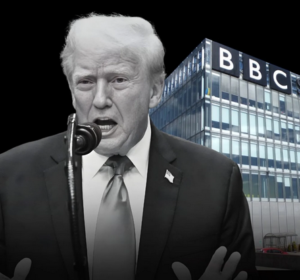
Politically, the lawsuit has triggered reactions in the UK, where the BBC is funded by licence fee payers. Liberal Democrat leader Sir Ed Davey has urged Prime Minister Keir Starmer to defend the corporation, warning that costly litigation could ultimately fall on the public. “The prime minister needs to stand up for the BBC against Trump’s outrageous legal threat,” he said.
Away from the courtroom, the case stresses on broader social and cultural tensions, between populist leaders and established media; between national journalism and global audiences; and between editorial interpretation and factual precision.
As the legal battle unfolds, it is likely to test not only defamation law across borders, but also public confidence in how history, especially moments as fraught as 6th of January, is recorded and retold.