
Tunisia Redraws a Trade Map Corridor, Connecting North Africa to the Sahel Region
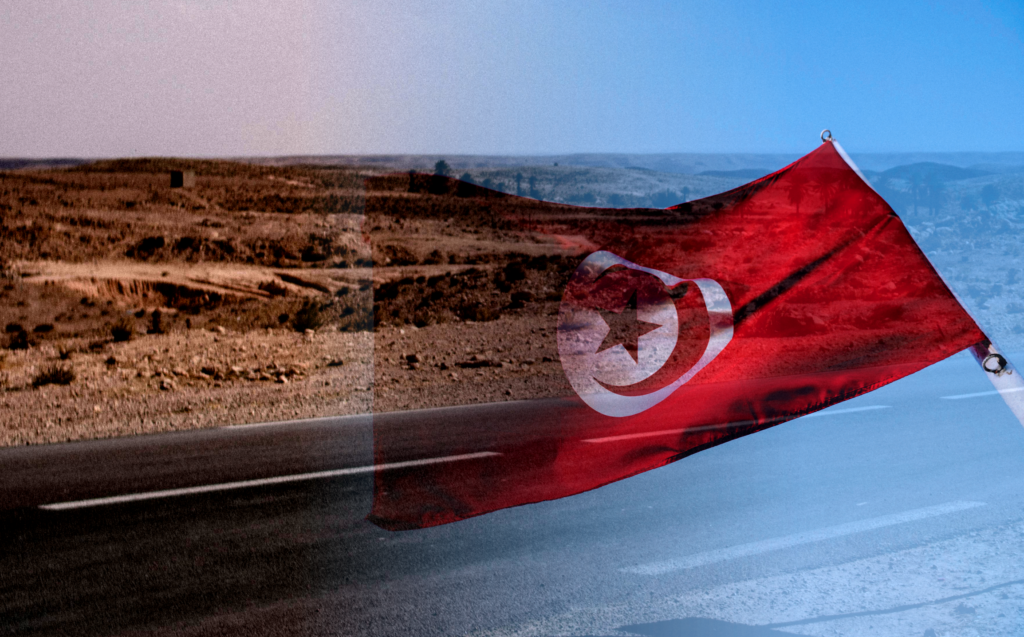
Tunisia is positioning itself at the center of a new trans-African trade vision, unveiling plans for an ambitious overland corridor linking its Mediterranean ports to the Sahel, which is one of the world’s most logistically constrained regions. If realized, the project could reshape supply chains across North and West Africa, offering landlocked economies faster and cheaper access to global markets.
The proposed route would begin at the Ras Jedir border crossing with Libya and stretch southward through Libyan territory toward Niger, Mali, Burkina Faso, Chad, and the Central African Republic. Developed in coordination with Libya, the corridor aims to cut transport times, reduce export costs, and unlock new commercial flows between coastal and inland economies.
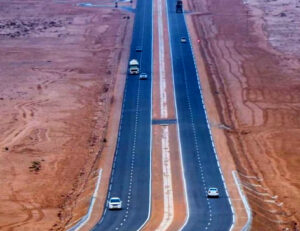
The stakes are high for Tunisia. Officials see the corridor as a pathway to diversify exports and elevate the country’s role as a gateway between Europe, North Africa, and the Sahel. For businesses, the promise lies in more predictable logistics and lower freight costs in a region where poor infrastructure has long stifled trade competitiveness.
And apart from economics, the initiative carries broader social implications. Improved trade access could lower the price of essential goods in Sahelian countries, where supply bottlenecks often drive inflation and scarcity. It may also stimulate job creation along the route, from transport and warehousing to border services and local commerce.
Thus far, the corridor is as much a political project as an economic one. Its success hinges on sustained cooperation between Tunisia and Libya, as well as stability across transit regions that have faced recurring insecurity. Infrastructure upgrades like roads, customs systems and logistics hubs, will require significant investment and long-term policy alignment.
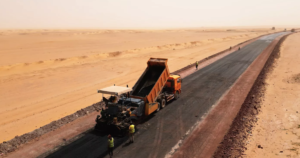
The plan aligns with wider continental ambitions to deepen African economic integration and reduce reliance on external trade routes. By bridging the Mediterranean and the Sahel, Tunisia’s corridor could become a test case for how regional connectivity projects translate into real economic gains on the ground.
At the moment, the vision remains in development. But if momentum holds, the sands between North Africa and the Sahel may soon carry not just caravans of the past, but the freight of a more connected economic future.