
US Rivals China in DRC with $9bn Investment in Glencore’s DRC Mines, for 40% Share
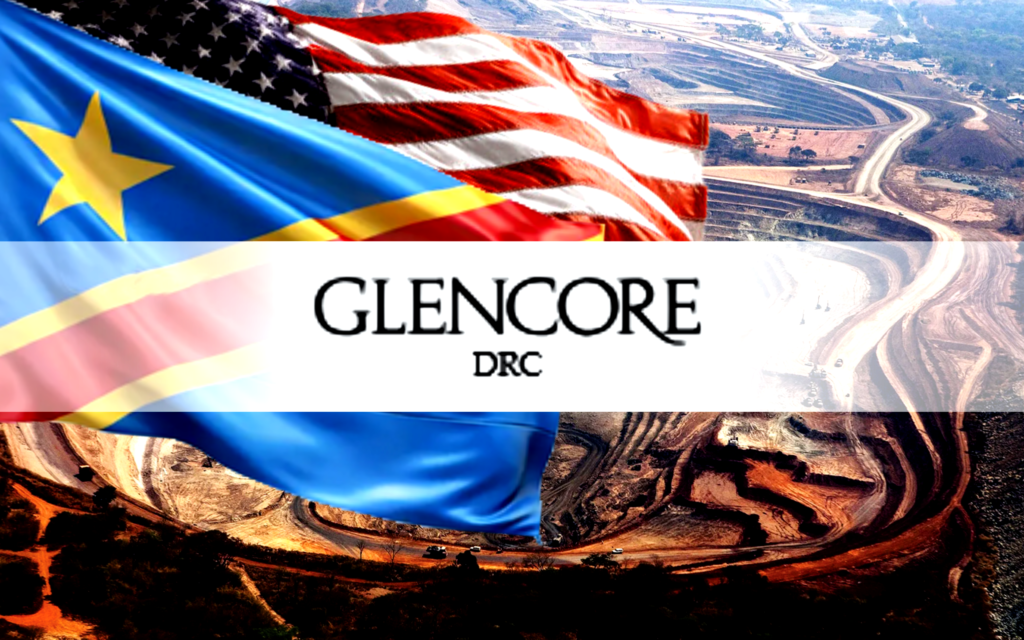
A US-backed investment group has sealed one of the largest mining transactions in Africa in recent years, marking a significant shift in the geopolitics of critical minerals and raising fresh questions about how the Democratic Republic of Congo (DRC) can translate resource wealth into broader national development.
Under a $9 billion agreement, the Orion Critical Mineral Consortium (Orion CMC) will acquire a 40 percent stake in copper and cobalt operations owned by Glencore in the DRC. The transaction, which is supported by the US International Development Finance Corporation (DFC), focuses on two of the country’s most significant assets, Mutanda Mining (MUMI) and Kamoto Copper Company (KCC).
The DRC produces the majority of the world’s cobalt, an indispensable mineral for electric vehicle batteries and renewable energy storage; and it is a leading supplier of copper, a backbone metal for clean power grids and electric mobility. By investing directly in these operations, the United States is seeking to secure long-term strategic counterweight, to access a mineral critical to its energy transition, in order to reduce reliance on Chinese-controlled supply chains.
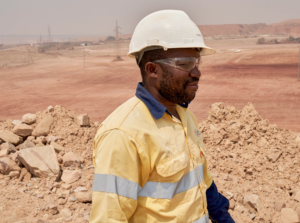
The consortium is led by Orion Resource Partners, with backing from Abu Dhabi’s ADQ and the DFC. While Glencore will retain operational control of the mines, Orion CMC gains substantial financial exposure, the right to appoint non-executive directors, and the ability to direct the sale of its share of production to nominated buyers. This will significantly influence where Congolese minerals ultimately flow to.
The deal aligns with the broader US-DRC Strategic Partnership framework, under which Washington has pledged support for infrastructure, responsible mining practices and value-chain development. This agreement represents a tangible step in countering China’s longstanding dominance in mineral processing and off-taking arrangements across the African copper belt. Over many years, Chinese firms have secured controlling stakes in many of the DRC’s largest mining projects, often bundling infrastructure financing with mineral rights. Objectively, the Orion transaction indicates a more assertive, coordinated Western response that blends private capital with public development finance tools.
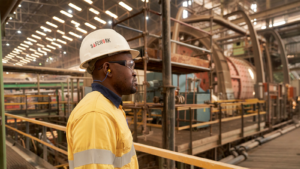
The Human and community stakes in this transaction, carry real positive implications for mining communities in southern Congo, where employment, environmental safeguards and revenue transparency remain as pressing concerns. Mutanda and Kamoto together employ thousands of workers directly and support many more through contractors and local supply chains. Labour advocates and civil society groups have long pushed for stronger oversight of working conditions, improved safety standards and transparent accounting report on royalties paid to provincial governments. The DFC’s involvement could introduce stricter environmental, social and governance (ESG) requirements. US-backed development finance institutions typically require compliance with international labour standards, community engagement frameworks and environmental impact mitigation measures. Whether these standards are rigorously enforced on the ground will be closely observed by the local stakeholders.
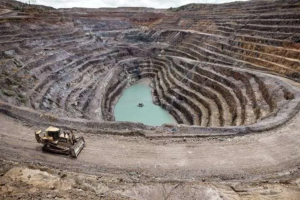
Also, community leaders in Lualaba province have previously called for more visible reinvestment of mining revenues into schools, health centers and road infrastructure. So, with a new consortium on board, there may be renewed space for dialogue on local content policies, SMS participation in supply chains and political/economic gains/leverages.
In Kinshasa, the $9 billion deal climaxes the DRC’s growing diplomatic leverage. As global demand for battery minerals accelerates, Congolese officials have increasingly framed cobalt and copper as export commodities of their strategic assets. The government has also shown interest in promoting in-country processing and value addition, rather than exporting raw materials directly. Mostlikely, Greater Western participation could potentially support investments in refining and pre-manufacturing, with concrete commitments to be in detailed documentation.
At the same time, the arrangement preserves Glencore’s operational management, suggesting continuity in day-to-day mining operations and production targets. Nonetheless, the balance between continuity and restructuring will shape how effectively the partnership will deliver both returns for investors and development dividends for the Congolese citizens, because this is a new phase in Africa’s mineral progression.
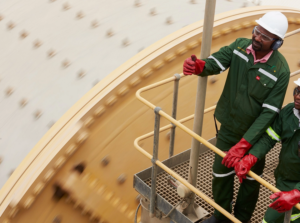
Africa’s role in the global clean energy transition is no longer peripheral. The Orion CMC acquisition reflects intensifying competition for long-life, high-quality mineral resources and a recalibration of US engagement on the continent. In consideration of the Western nations, securing reliable battery inputs is a matter of industrial policy and national economic security. On the side of DRC, the stakes are much more expected to eject immediate creation of jobs, environmental stewardship, fiscal revenues and the long-promised opportunity to convert mineral abundance into broad-based economic prosperity.
As the deal moves toward implementation, its successes will likely be measured by tangible economic improvements in livelihoods, communities around Mutanda/Kamoto; and whether the DRC can leverage global rivalry into sustainable national advancement.